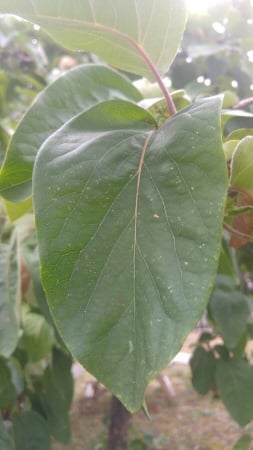
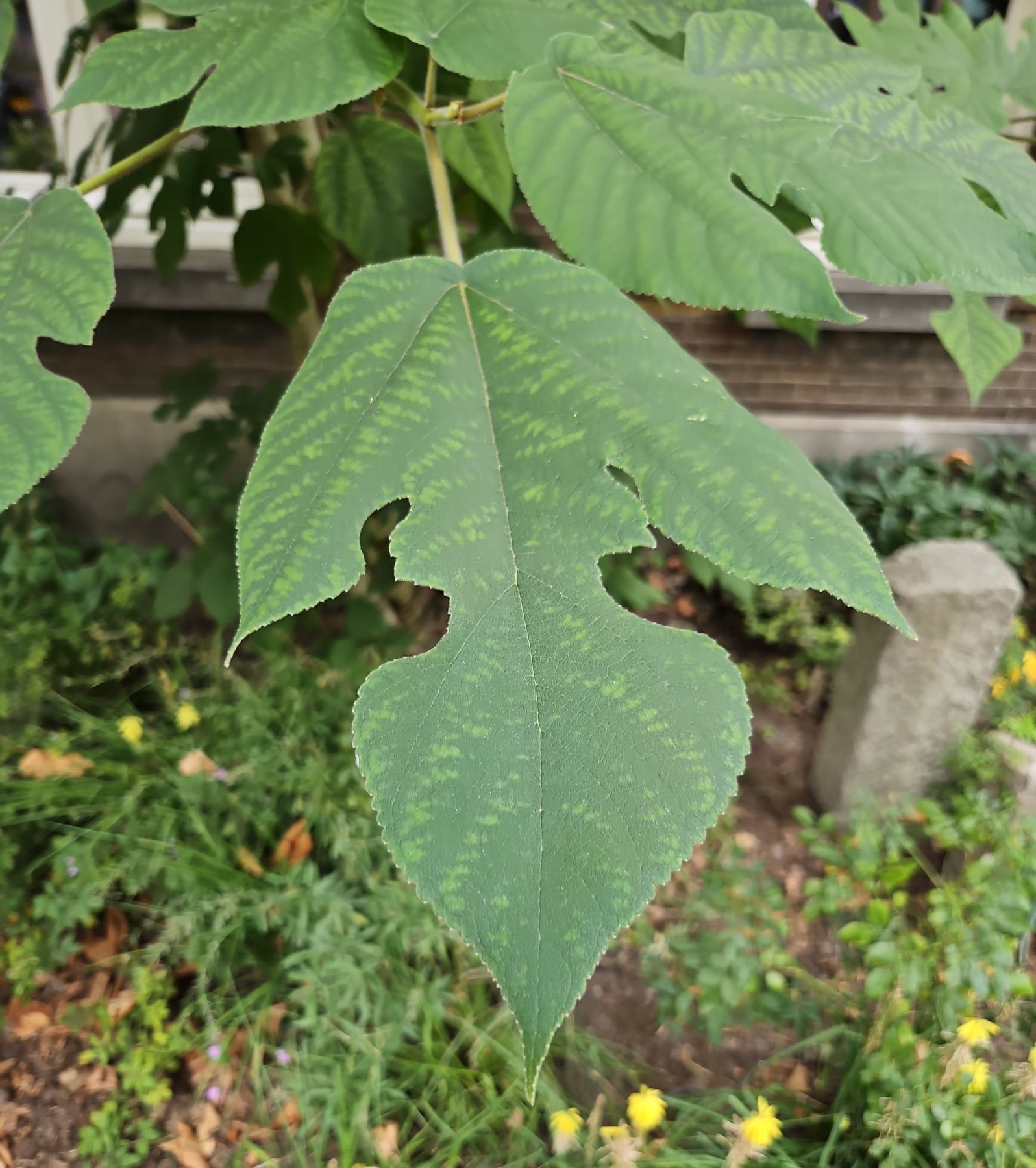
Leaf
Mathieu Menand, Tela Botanica · CC BY-SA 2.0
White mulberry
Morus alba L.
Family: Moraceae
- 8 to 15 m tall
- Planted as a street tree and in gardens, also naturalised in the south
- Full sun
- Hardy, to about -20°C
In flower from April to May
2 months❓ How do you recognise this plant?
White mulberry was planted by the million in France from the 16th to the 19th century to feed silkworms, for which it is the only food — the rise of silk farming, notably in the Cévennes, owes everything to this tree. White mulberry has fruits that stay white to pinkish even when ripe and paler bark, whereas black mulberry produces fruits that turn black when ripe.
Learn to recognise it
Less common seasonal fruit. This plant is in the lesson “Less common seasonal fruit”, with 10 others.

🍃 Leaves
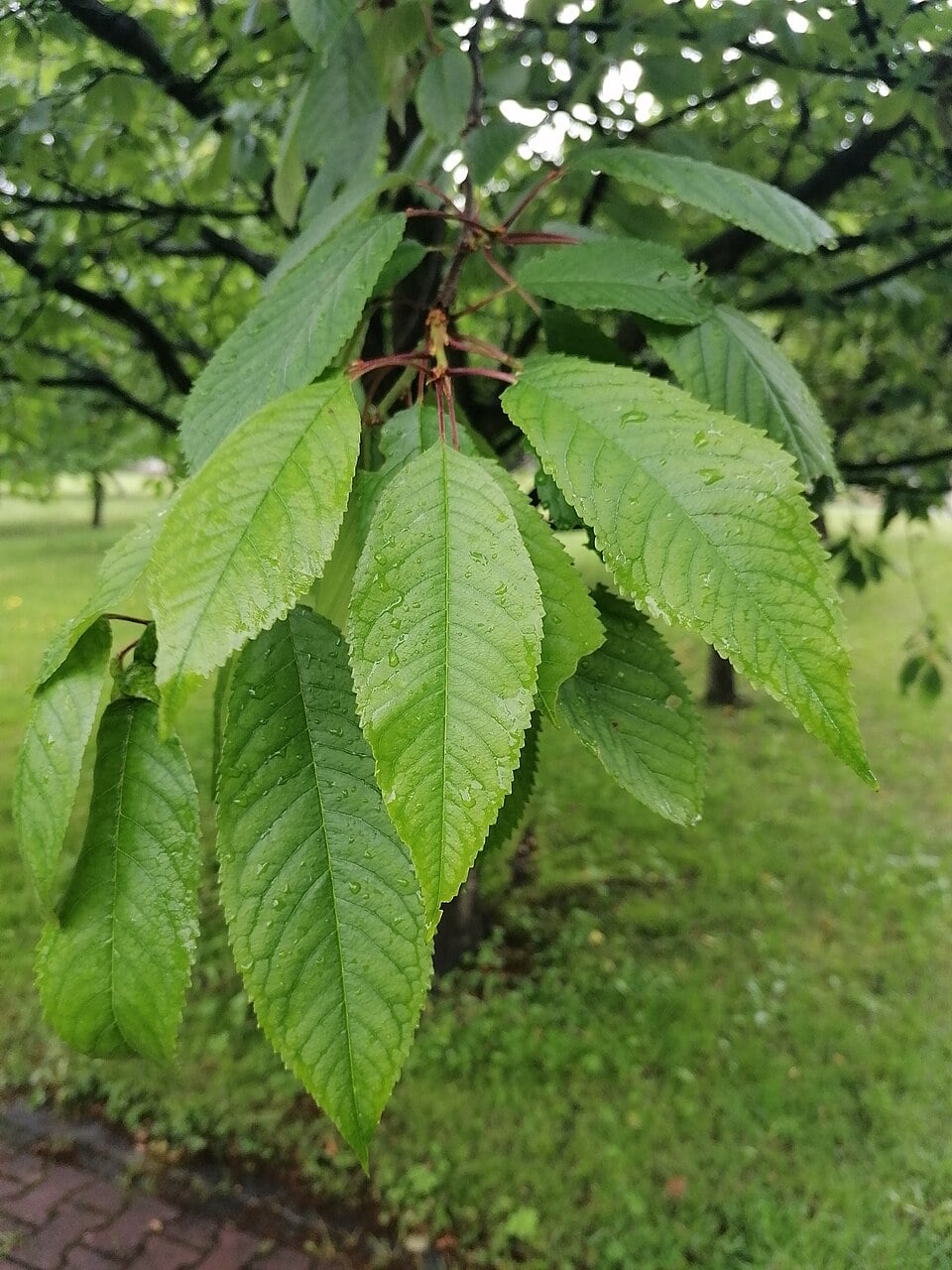
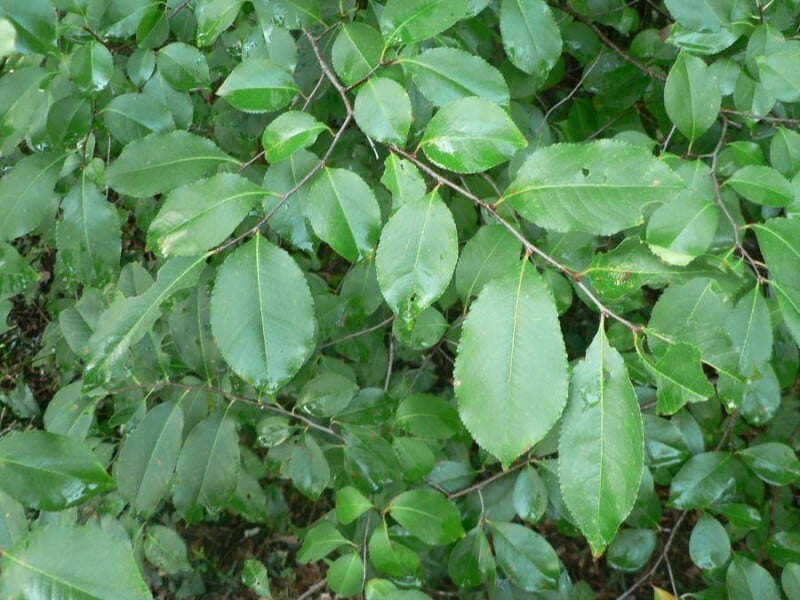
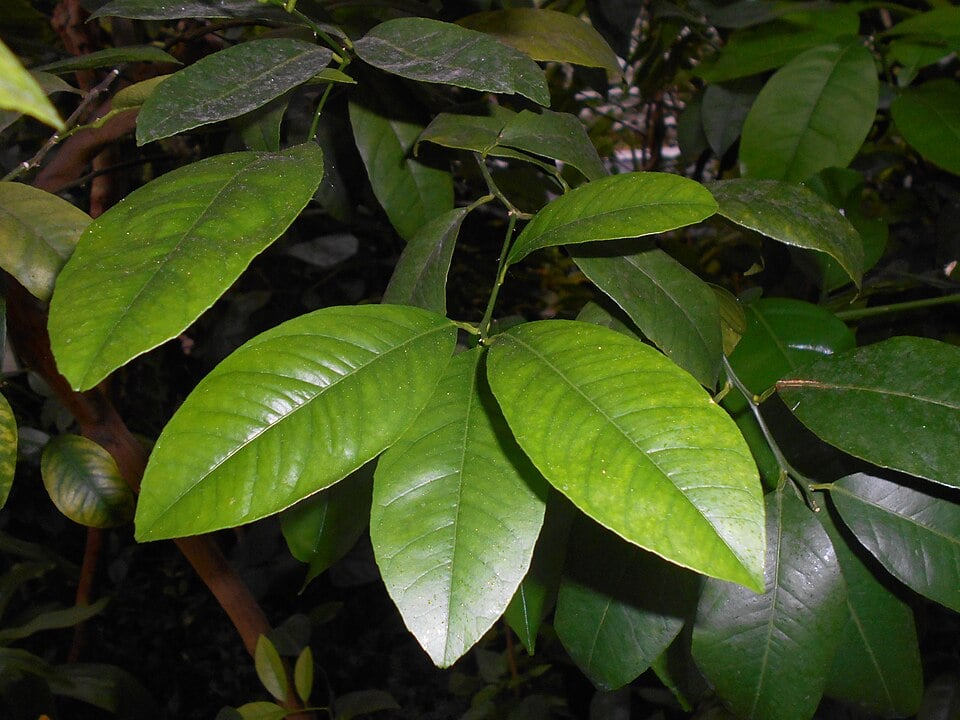
Deciduous, ovate, glossy, toothed, the historic food of the silkworm
🌸 Flowers
Small, greenish, inconspicuous, grouped in catkins; monoecious or dioecious depending on the individual
🍎 Fruits
Elongated false berry, white to pinkish when ripe, sweet but only mildly tart
🪵 Bark
Grey, cracking slightly with age
Distribution, pollinators, uses
🗺️ Distribution
Native to China; widely planted in France, notably in the south where it was grown for silk farming
🐝 Value for pollinators
Mainly wind-pollinated, little interest for pollinators
✂️ Horticultural uses
Tree historically planted to feed silkworms, also planted as a street tree for its shade
⚠️ Possible toxicity
Ripe fruit edible; unripe fruits and leaves may cause mild digestive upset
🌱 Known cultivars
'Pendula'
The cultivar 'Pendula' has a characteristic weeping habit, with branches cascading down to the ground, totally different from the upright habit of the type species.
⚠️ Look-alike species
White mulberry
Morus alba

Black mulberry
Morus nigra
White mulberry has fruits that stay white to pinkish even when ripe and paler bark, whereas black mulberry produces fruits that turn black when ripe.
🌿 Other Moraceae to discover

ℹ️ Educational profile — do not use it to judge whether a plant is edible or safe.
🌱 This database is constantly evolving — species and information are added and corrected regularly. Spotted a mistake? Report it below.
© Floraneo — profile content is protected; reproduction without permission is prohibited. Photos remain under their own licence (see the credit shown on each photo).