Leaf
Bernard Andrieu, Tela Botanica · CC BY-SA 2.0
Common fig
Ficus carica L.
Also known as: Fig
Family: Moraceae
3 to 8 m tall
Dry hillsides of southern France, walls, often naturalised
Flowering: Flowers invisible, hidden inside the fruit
Full sun
-20°C
❓ How do you recognise this plant?
The fig is not a true fruit but a fleshy receptacle containing hundreds of tiny, invisible flowers.
🍃 Leaves
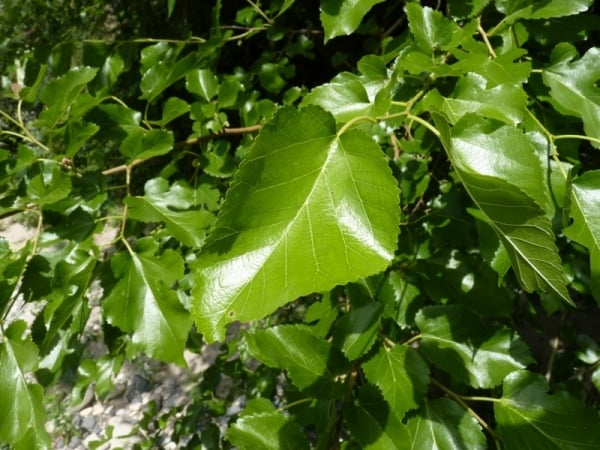
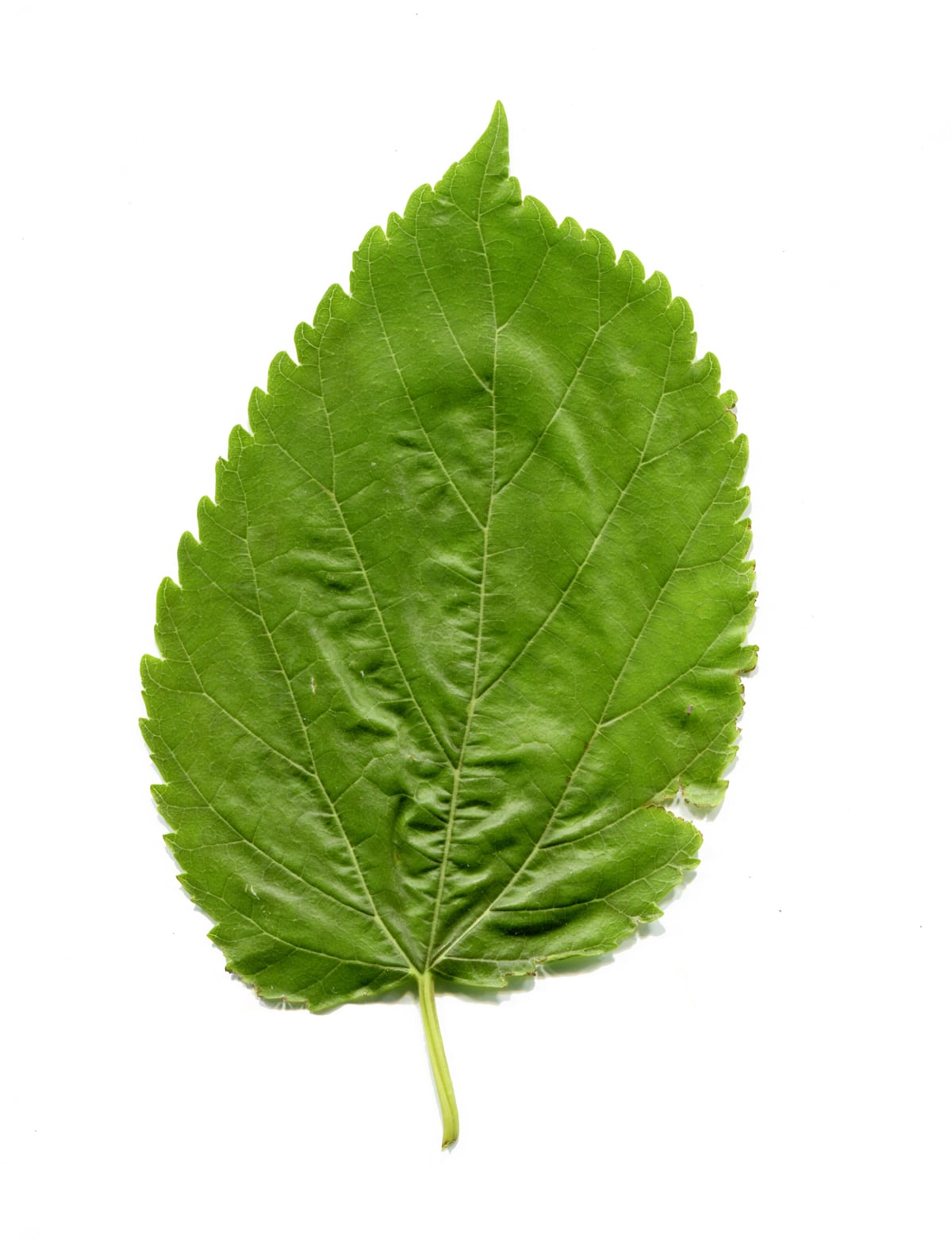
Large, deeply lobed into 3 to 5 fingers, rough
🌸 Flowers
Invisible: they develop inside the receptacle that will become the fig
🍎 Fruits
The fig is actually a syconium (a fleshy receptacle enclosing the flowers); the true fruits are the small internal achenes. Green or purple figs, fleshy and sweet when ripe.
🪵 Bark
Grey, smooth, abundant milky sap
🗺️ Distribution
Native to the Middle East, cultivated since antiquity; common in southern France, grown elsewhere in a sheltered position
🐝 Value for pollinators
Pollination by a specific wasp (fig wasp) for wild varieties; most cultivated varieties set fruit without pollination
✂️ Horticultural uses
Grown in orchards and as a specimen against a south-facing wall for its fruit
⚠️ Possible toxicity
Milky sap irritant to the skin, which can cause phototoxic reactions on contact in sunlight; ripe figs harmless
🌿 Other Moraceae to discover

ℹ️ Educational profile — do not use it to judge whether a plant is edible or safe.
🌱 This database is constantly evolving — species and information are added and corrected regularly. Spotted a mistake? Report it below.
© Floraneo — profile content is protected; reproduction without permission is prohibited. Photos remain under their own licence (see the credit shown on each photo).