White campion
Silene latifolia Poir.
Also known as: Evening campion
Family: Caryophyllaceae
30 to 70 cm tall
Waste ground, track verges, banks, rubble, unmanaged meadows
Flowering: May – July
Full sun
Part shade
Hardy to -12°C
❓ How do you recognise this plant?
Where their populations meet, white campion readily hybridises with red campion, producing intermediate pink flowers — a real identification headache in the field. The two campions share the same floral architecture with an inflated, hairy calyx and separate sexes on different plants — and where they grow together, they readily hybridise, producing intermediate pink flowers that are hard to call. Apart from hybrids, colour remains the best clue: pure white in white campion, bright pink in red campion; the white flowers also open mainly in the evening and are strongly scented, unlike those of red campion, which are active by day.
🍃 Leaves
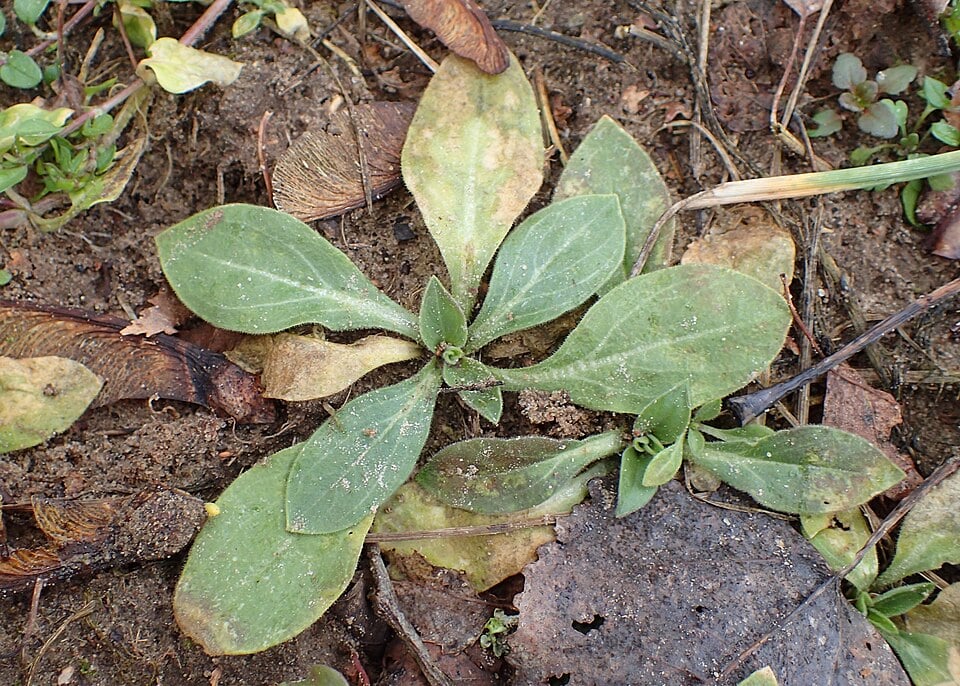
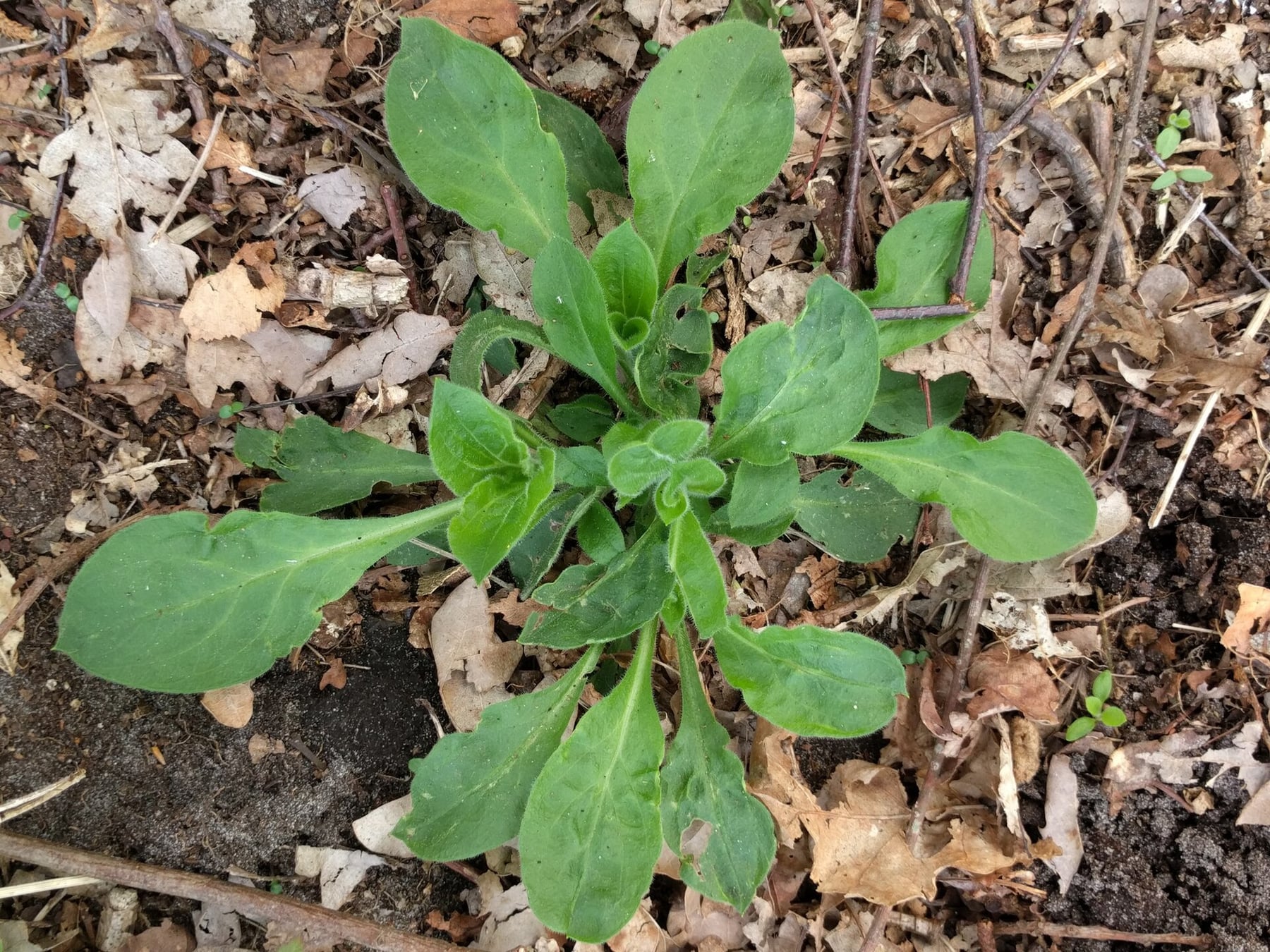
Opposite, ovate, hairy, the lower ones grouped in a rosette
🌸 Flowers
White, with 5 deeply notched petals, inflated, hairy and glandular calyx; open mainly in the evening and then become strongly scented; sexes separate on different plants, as in red campion
🍎 Fruits
Ovoid capsule opening by 10 upright teeth
🪵 Bark
Short-lived perennial herbaceous plant (sometimes biennial), entirely hairy and glandular, upright stems
🗺️ Distribution
Europe; very common throughout France on waste ground, banks, track verges and unmanaged meadows, from sea level up to 1400 m altitude
🐝 Value for pollinators
Flowers that open and become fragrant mainly in the evening, pollinated chiefly by moths (noctuids)
✂️ Horticultural uses
Rarely cultivated, regarded as a waste-ground plant; sometimes tolerated in wildflower meadows for its scented white night-opening flowers
ℹ️ Educational profile — do not use it to judge whether a plant is edible or safe.
🌱 This database is constantly evolving — species and information are added and corrected regularly. Spotted a mistake? Report it below.
© Floraneo — profile content is protected; reproduction without permission is prohibited. Photos remain under their own licence (see the credit shown on each photo).