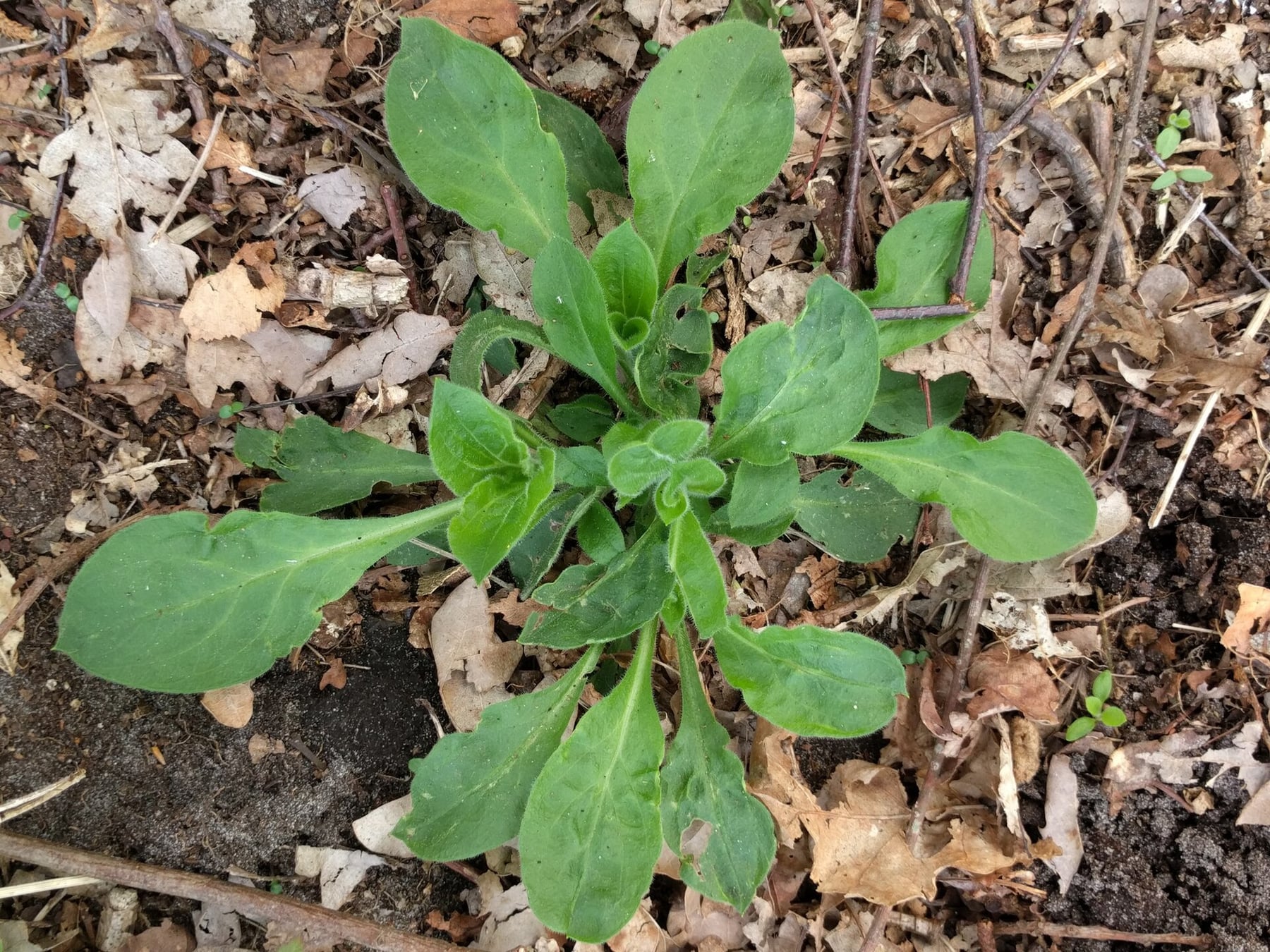
Leaf
Pierre Bonnet, Tela Botanica · CC BY-SA 2.0
Soapwort
Saponaria officinalis L.
Also known as: Common soapwort, Bouncing Bet
Family: Caryophyllaceae
30 to 80 cm tall
Banks, slopes, gardens, cool soils
Flowering: June – September
Full sun
Part shade
Hardy to -25°C
❓ How do you recognise this plant?
Its leaves, crushed in water, produce a natural lather, traditionally used as soap.
🍃 Leaves
Ovate-lanceolate, opposite, bright green
🌸 Flowers
Clusters of pale pink to white flowers, fragrant, opening in the evening
🍎 Fruits
Small capsules containing many seeds
🪵 Bark
Erect clump with a creeping rhizome
🗺️ Distribution
Europe, western Asia; common on wasteland and riverbanks in France.
🐝 Value for pollinators
Fragrant pink flowers in the evening, adapted to long-tongued moths (hawkmoths).
✂️ Horticultural uses
Perennial borders, edgings, naturalistic gardens; root formerly used to wash delicate fabrics.
⚠️ Possible toxicity
Mildly toxic if ingested (saponins), may cause digestive upset; sap traditionally used as a natural soap.
🌿 Other Caryophyllaceae to discover


ℹ️ Educational profile — do not use it to judge whether a plant is edible or safe.
🌱 This database is constantly evolving — species and information are added and corrected regularly. Spotted a mistake? Report it below.
© Floraneo — profile content is protected; reproduction without permission is prohibited. Photos remain under their own licence (see the credit shown on each photo).