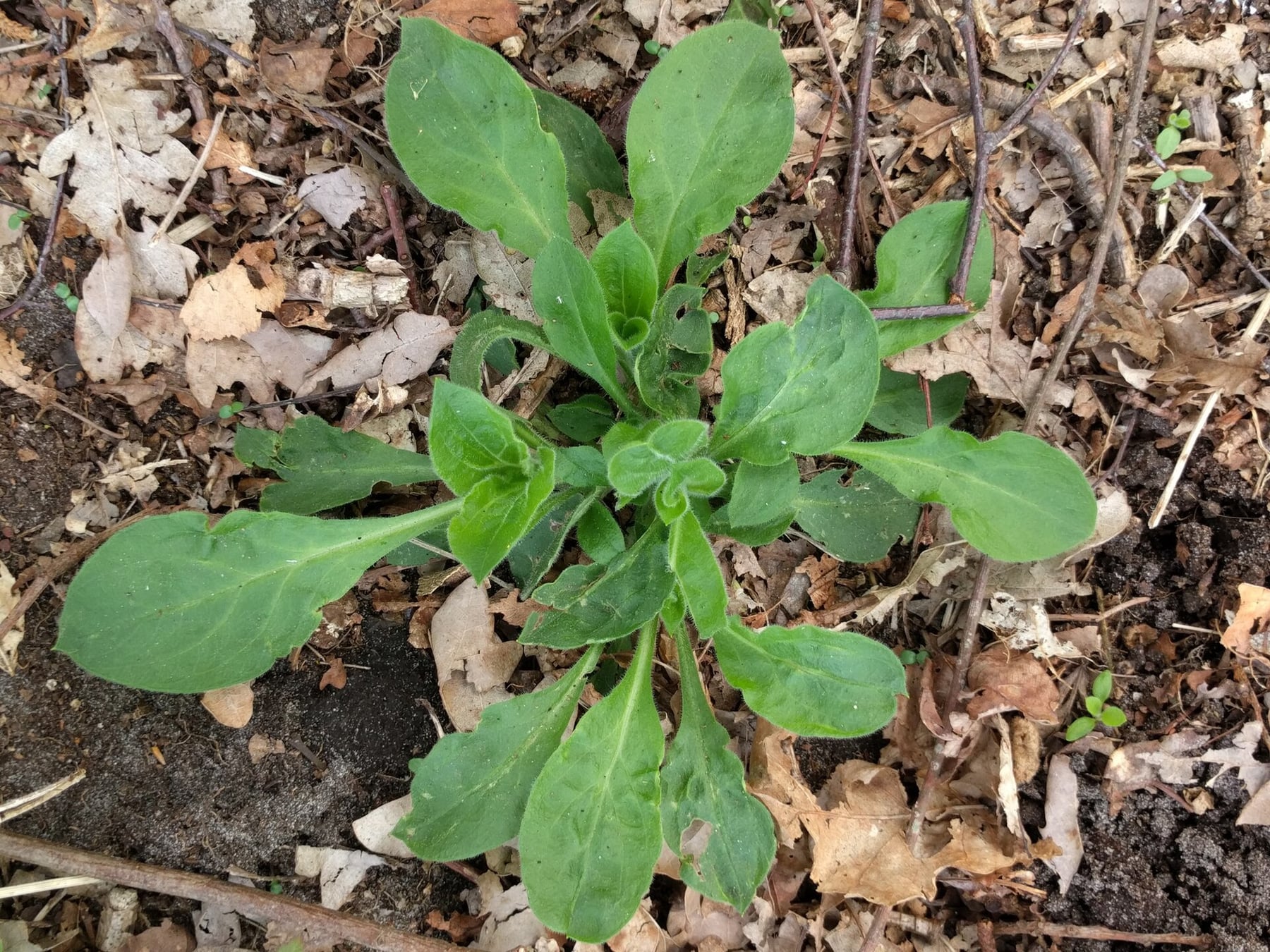
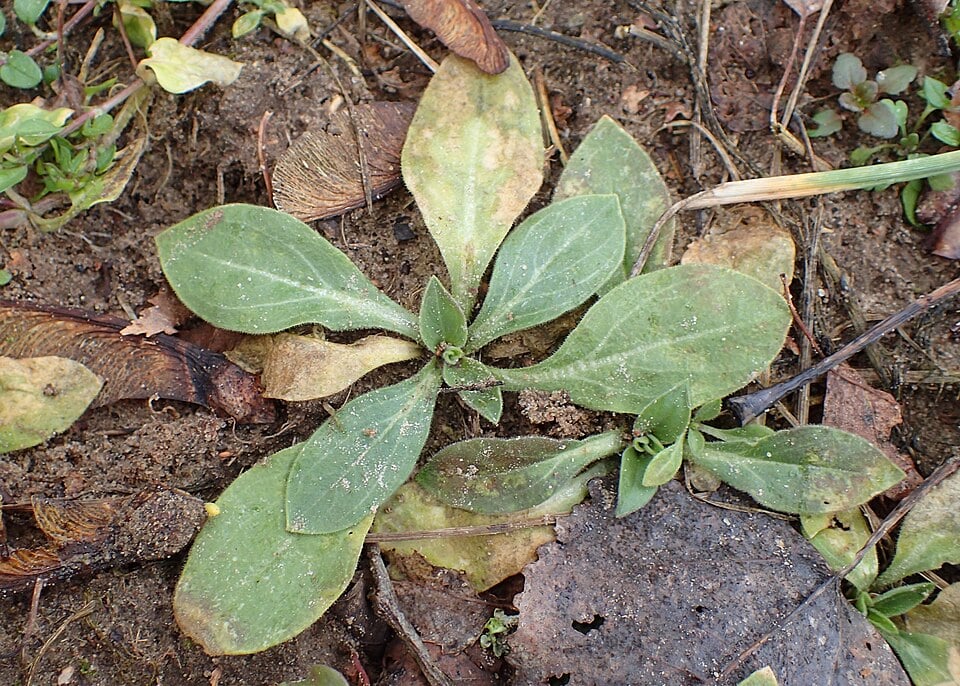
Leaf
Michel Langeveld, Wikimedia · CC BY-SA 2.0

Red campion

Silene dioica (L.) Clairv.
Family: Caryophyllaceae
40 to 80 cm tall
Woodland edges, hedges, cool meadows
Flowering: April – September
Full sun
Part shade
Very hardy, to -20°C

❓ How do you recognise this plant?

Male and female flowers borne on different plants — a rare case among common wild plants. The two campions share the same floral architecture with an inflated, hairy calyx and separate sexes on different plants — and where they grow together, they readily hybridise, producing intermediate pink flowers that are hard to call. Apart from hybrids, colour remains the best clue: bright pink in red campion, pure white in white campion; the flowers of white campion open mainly in the evening and are strongly scented, unlike those of red campion, which are active by day.
🍃 Leaves
Opposite, ovate, hairy, rosette at the base
🌸 Flowers
Bright pink, five notched petals, sexes separate on different plants
🍎 Fruits
Small capsule opening by 10 recurved teeth
🪵 Bark
Perennial herbaceous plant with upright, hairy stems.
🗺️ Distribution
Europe; common in open woodland, hedges and cool meadows in France.
🐝 Value for pollinators
Nectar-bearing pink flowers visited by day- and night-flying butterflies and moths as well as by bees.
✂️ Horticultural uses
Naturalistic borders, wildflower meadows, open woodland; spring and summer flowering.

⚠️ Possible toxicity

No notable toxicity known.

⚠️ Look-alike species

Red campion
Red campion
Silene dioica
White campion
White campion
Silene latifolia

The two campions share the same floral architecture with an inflated, hairy calyx and separate sexes on different plants — and where they grow together, they readily hybridise, producing intermediate pink flowers that are hard to call. Apart from hybrids, colour remains the best clue: bright pink in red campion, pure white in white campion; the flowers of white campion open mainly in the evening and are strongly scented, unlike those of red campion, which are active by day.

ℹ️ Educational profile — do not use it to judge whether a plant is edible or safe.

🌱 This database is constantly evolving — species and information are added and corrected regularly. Spotted a mistake? Report it below.

© Floraneo — profile content is protected; reproduction without permission is prohibited. Photos remain under their own licence (see the credit shown on each photo).