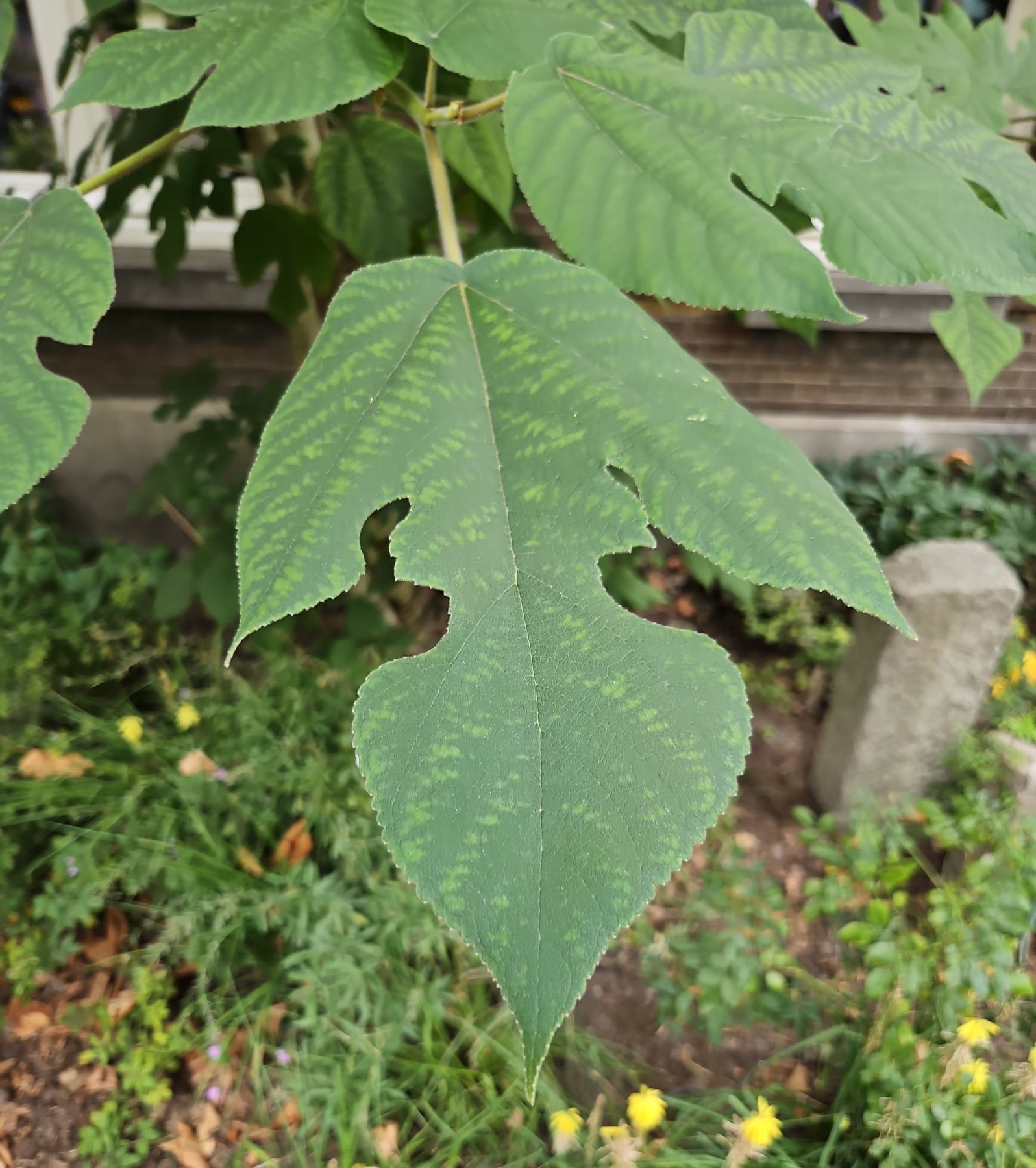
Leaf
Martinus KE, Wikimedia · CC BY-SA 4.0
- 15 to 25 m tall
- Planted as a street tree for its regular pyramidal habit
- Full sun, Part shade
- Hardy to about -25°C
In flower from February to March
2 monthsBefore the leaves
❓ How do you recognise this plant?
Unlike its cousin the common hazel, which remains a bushy shrub, this one forms a true single trunk and a regular pyramidal habit, which makes it a popular street tree.
Learn to recognise it
Collector trees from Asia and America. This plant is in the lesson “Collector trees from Asia and America”, with 7 others.

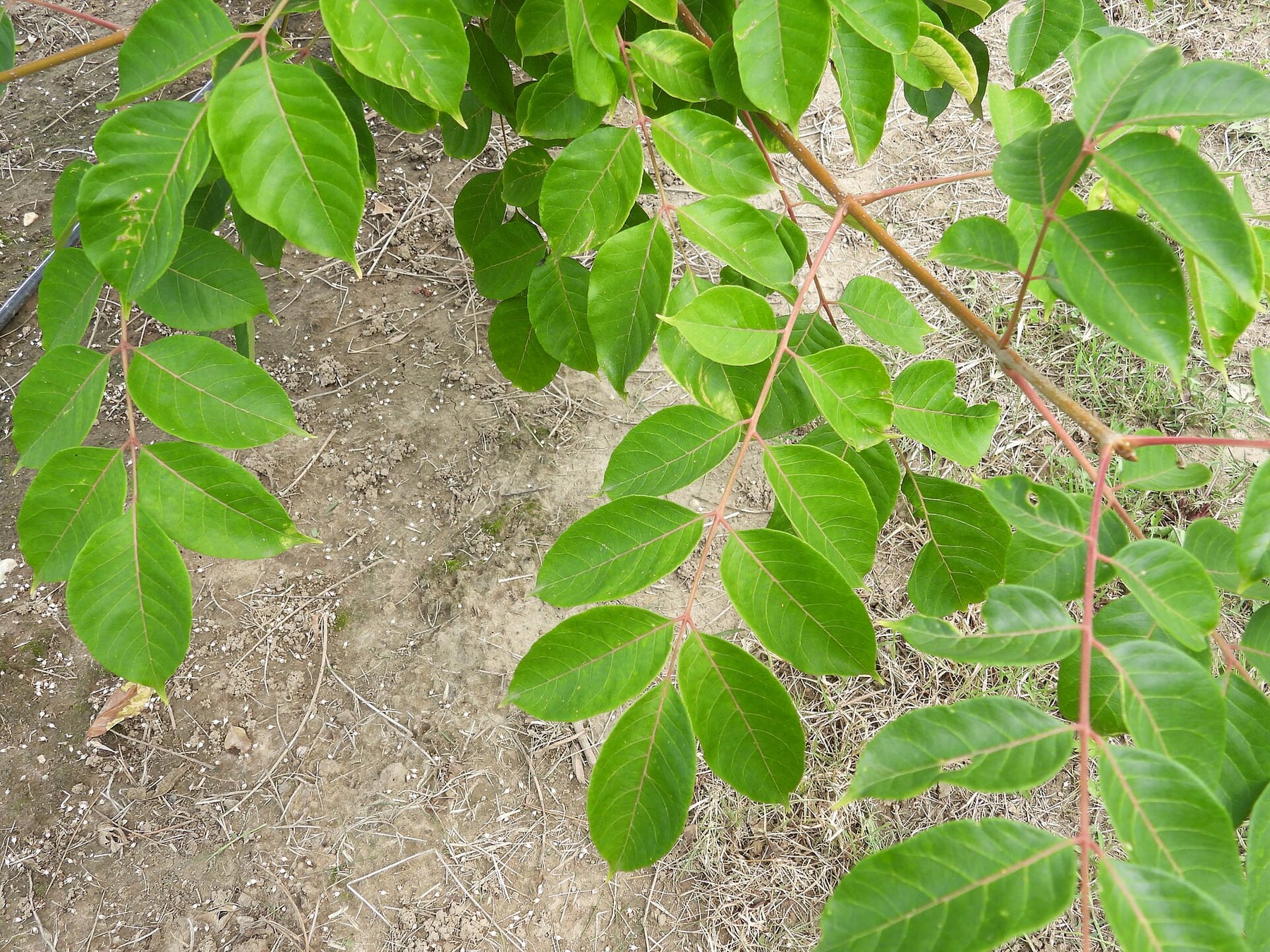
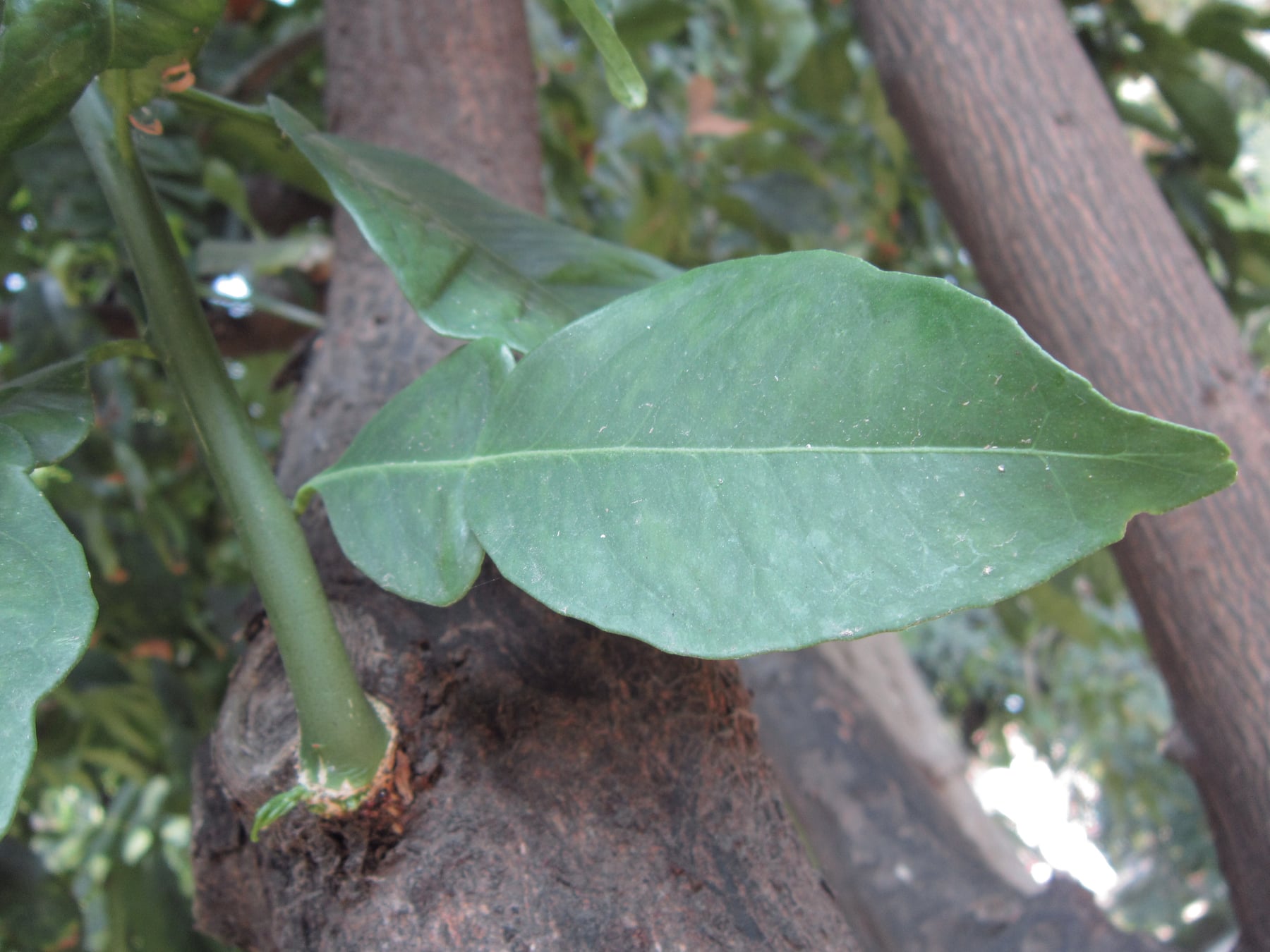
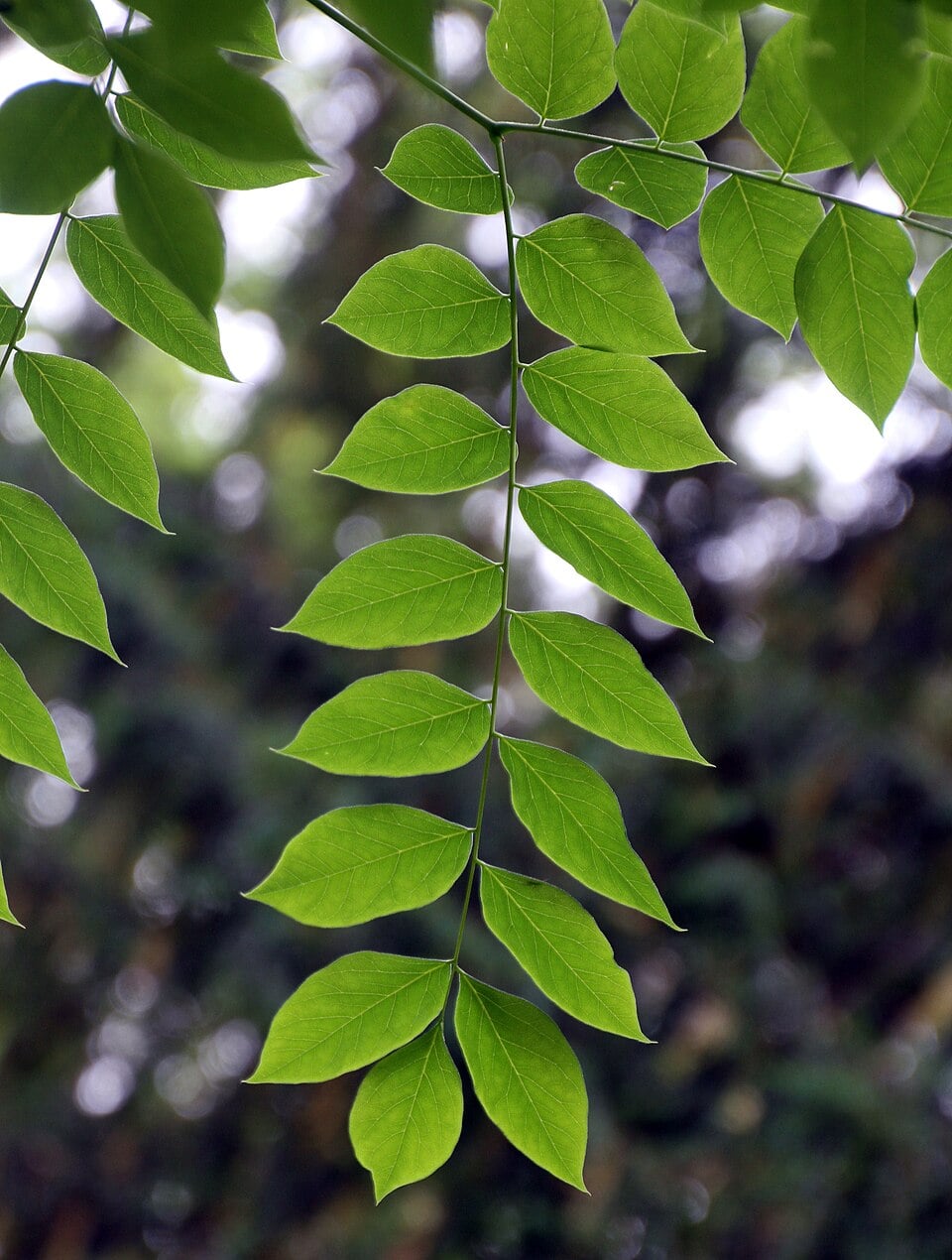
A free account is enough for this lesson.
🍃 Leaves
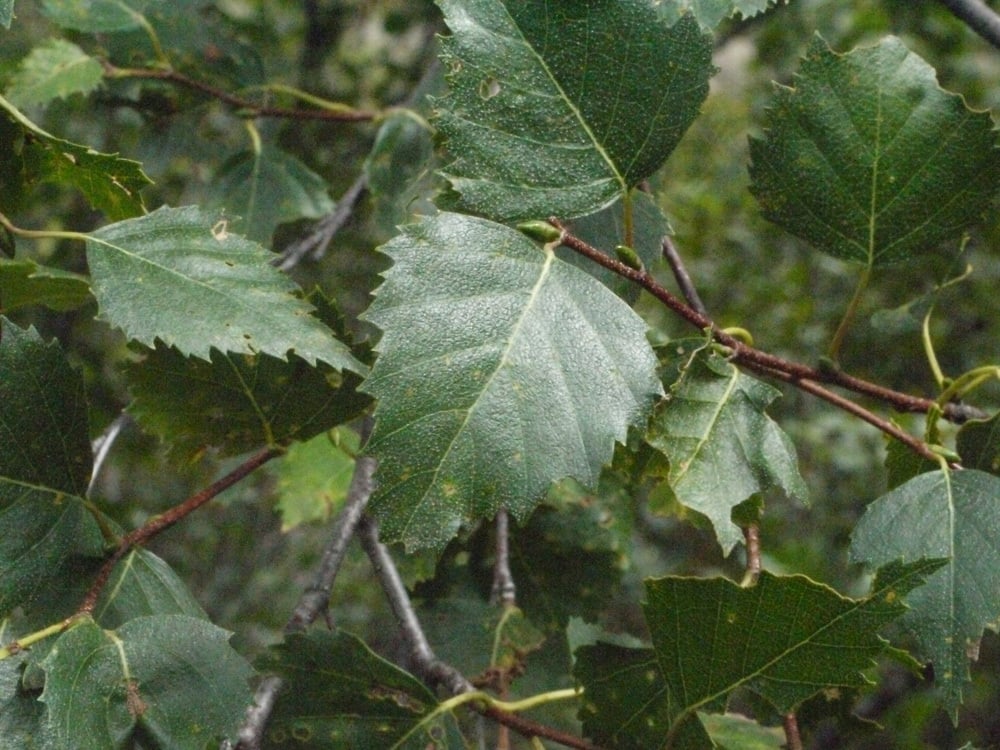
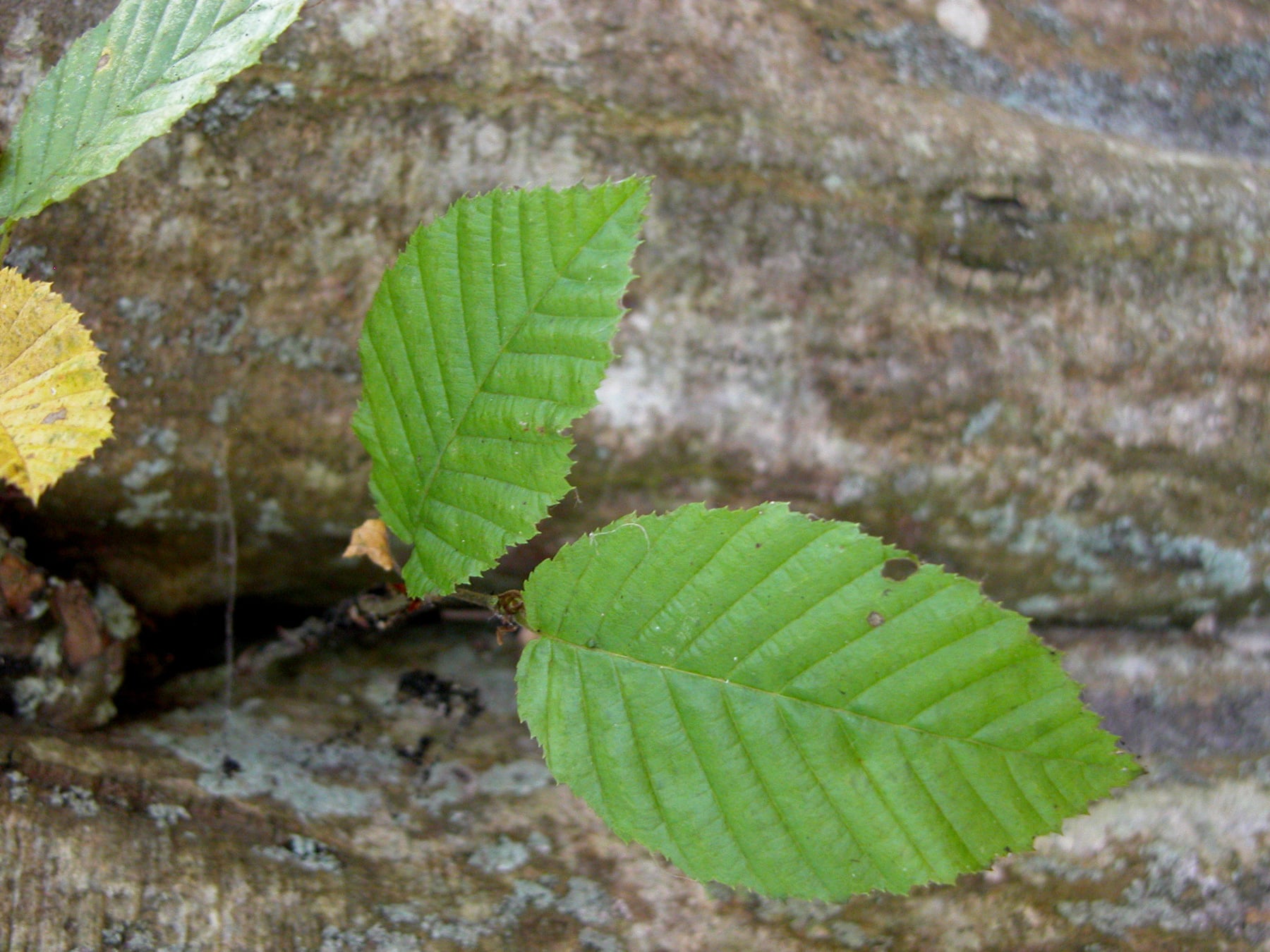
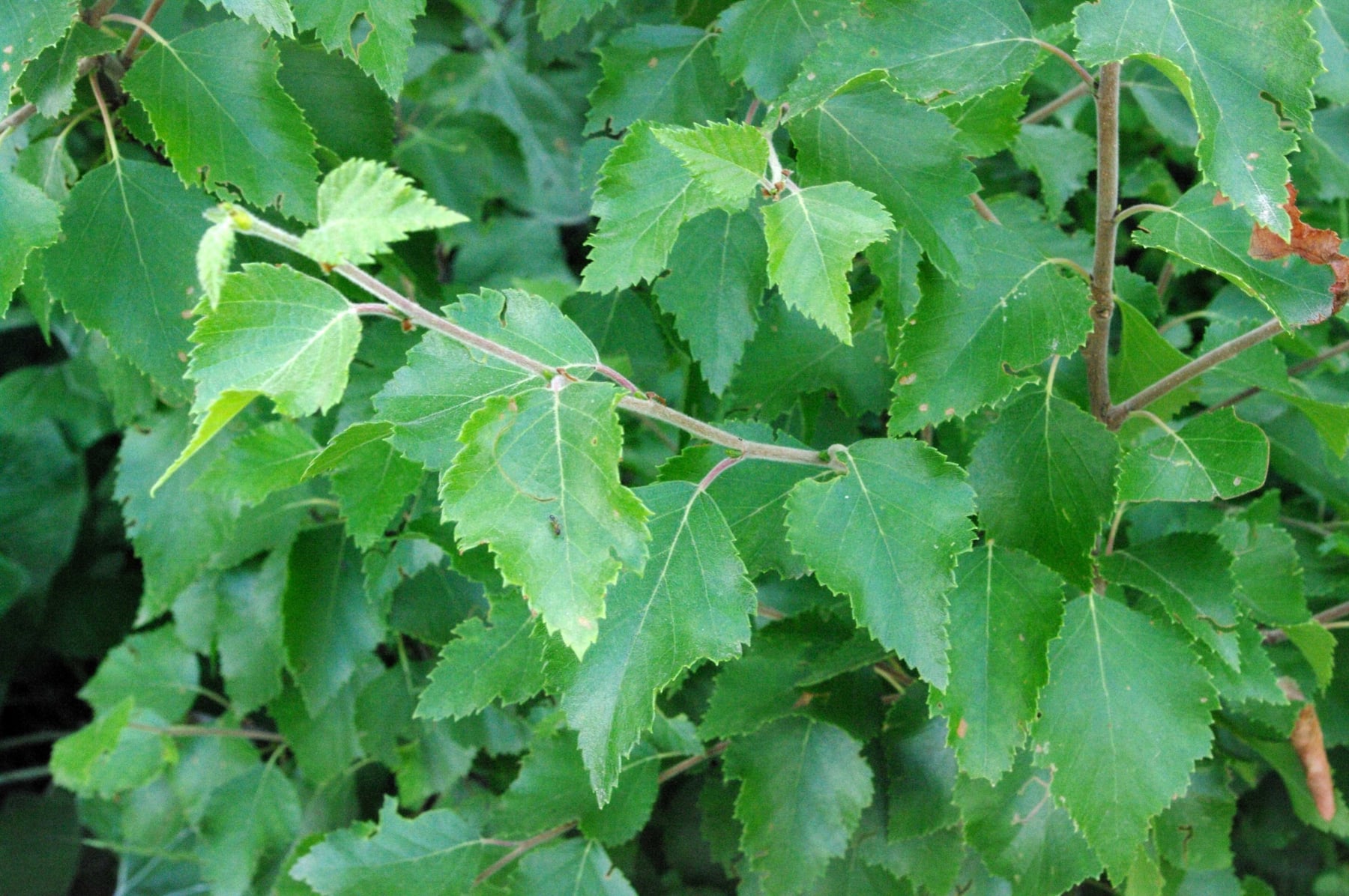
Deciduous, heart-shaped, toothed, larger and rougher than those of the common hazel
🌸 Flowers
Long pendent yellowish male catkins, tiny reddish female flowers, appearing before the leaves
🍎 Fruits
Hazelnuts in clusters of four to eight, surrounded by a deeply cut, fringed involucre
🪵 Bark
Pale grey, cracking into characteristic corky scales with age
Distribution, pollinators, uses
🗺️ Distribution
Native to south-eastern Europe and Asia Minor
🐝 Value for pollinators
Very early catkins, an important pollen source in late winter
✂️ Horticultural uses
Used as a street tree for its regular conical habit and good tolerance of pollution and drought, unlike the common hazel, which remains shrubby
🌿 Other Betulaceae to discover

ℹ️ Educational profile — do not use it to judge whether a plant is edible or safe.
🌱 This database is constantly evolving — species and information are added and corrected regularly. Spotted a mistake? Report it below.
© Floraneo — profile content is protected; reproduction without permission is prohibited. Photos remain under their own licence (see the credit shown on each photo).