Leaf
Liliane Roubaudi, Tela Botanica · CC BY-SA 2.0
Sea holly
Eryngium maritimum L.
Also known as: Sea eryngo
Family: Apiaceae
20 to 50 cm tall
Coastal dunes, dry seaside gardens, sandy soils
Flowering: June – September
Full sun
Hardy to -15°C
❓ How do you recognise this plant?
Its metallic blue colour and its resistance to salt and wind make it an emblematic plant of coastal dunes, now protected. Sea holly has thick, fleshy, blue-grey foliage, adapted to coastal dunes, whereas field eryngo has finer, green, rigid leaves, typical of dry inland wasteland.
🍃 Leaves
Thick, spiny, metallic blue-grey
🌸 Flowers
Small blue-grey umbels surrounded by prickly bluish bracts
🍎 Fruits
Small scaly achenes
🪵 Bark
Rigid blue-grey clump, very deep taproot
🗺️ Distribution
Coasts of Europe (Atlantic, English Channel, Mediterranean); rare and protected on beaches and dunes in France.
🐝 Value for pollinators
Silvery-blue flower heads rich in nectar, attractive to bees and various coastal insects in summer.
✂️ Horticultural uses
Seaside gardens, dry gravel beds; very ornamental bluish foliage, a protected species not to be picked in the wild.
⚠️ Possible toxicity
No known toxicity; spiny foliage that can injure when touched.
⚠️ Look-alike species
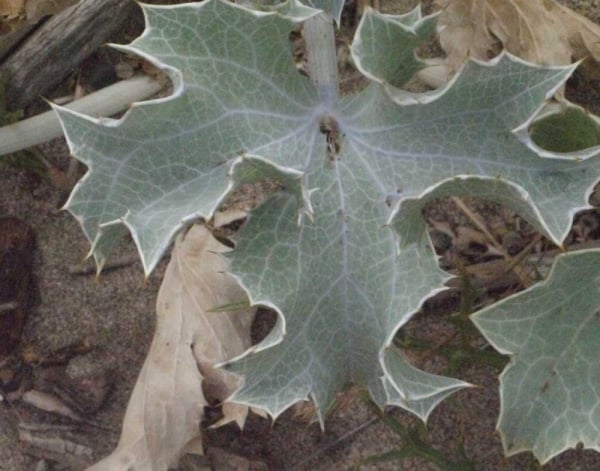
Sea holly
Eryngium maritimum
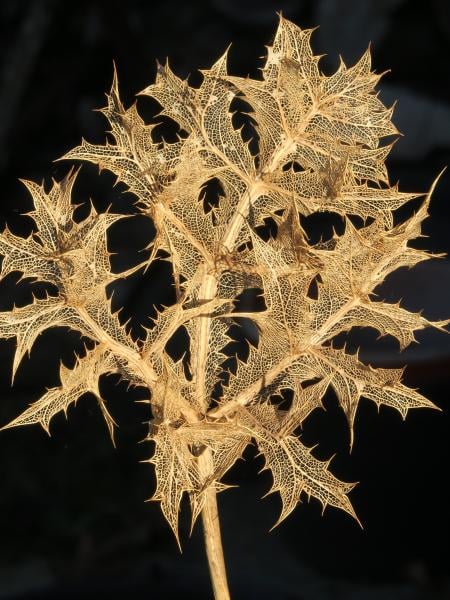
Field eryngo
Eryngium campestre
Sea holly has thick, fleshy, blue-grey foliage, adapted to coastal dunes, whereas field eryngo has finer, green, rigid leaves, typical of dry inland wasteland.
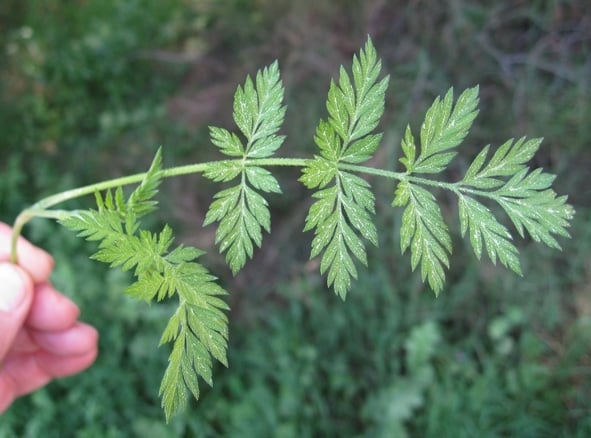
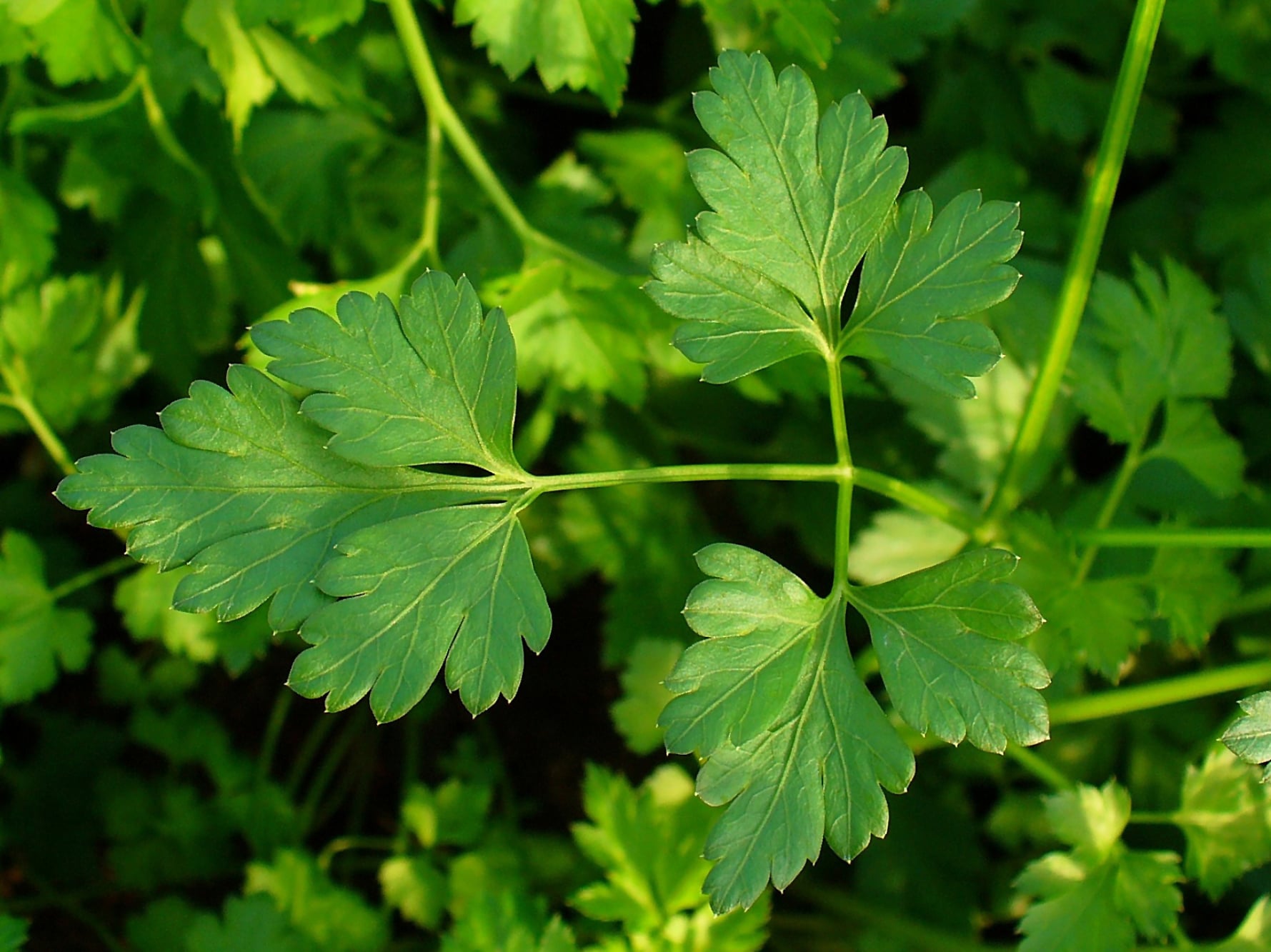
🌿 Other Apiaceae to discover

ℹ️ Educational profile — do not use it to judge whether a plant is edible or safe.
🌱 This database is constantly evolving — species and information are added and corrected regularly. Spotted a mistake? Report it below.
© Floraneo — profile content is protected; reproduction without permission is prohibited. Photos remain under their own licence (see the credit shown on each photo).