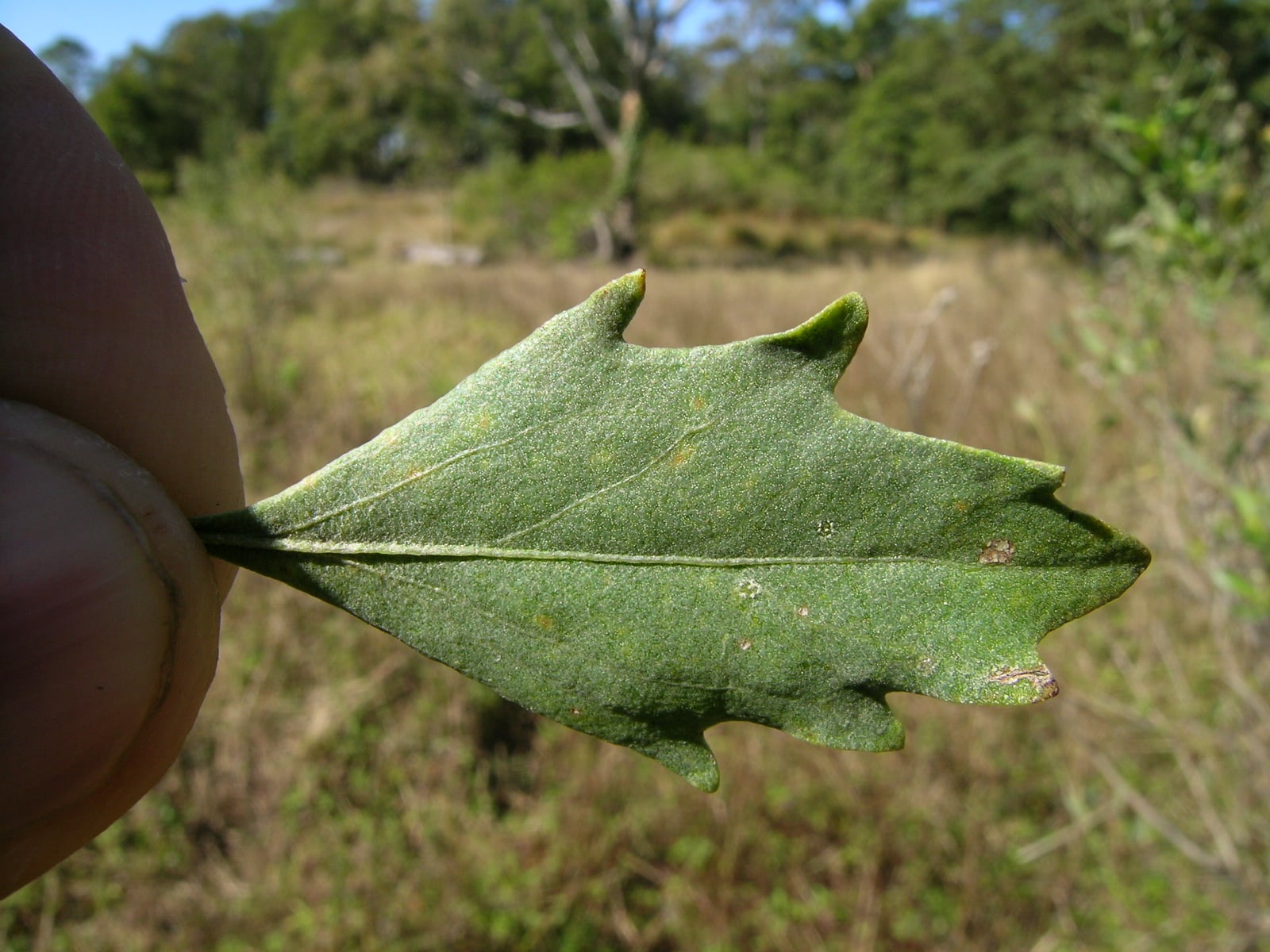
Leaf
Wildfeuer, Wikimedia · CC BY 2.5
- 50 to 150 cm tall
- Waste ground, rubble, roadsides, banks and wasteland of the Mediterranean region and western France; nitrogen-rich soils, full sun
- Full sun
- Hardy to about -15°C
In flower from May to August
4 months❓ How do you recognise this plant?
According to legend, the white marbling of its leaves was made by drops of the Virgin Mary's milk that fell on the plant, hence its name. Milk thistle is a large annual or biennial with glossy leaves marbled white and large purple flower heads with spiny bracts; creeping thistle is a creeping perennial with plain, bright green leaves, small lilac flower heads and a spineless stem.
🍃 Leaves
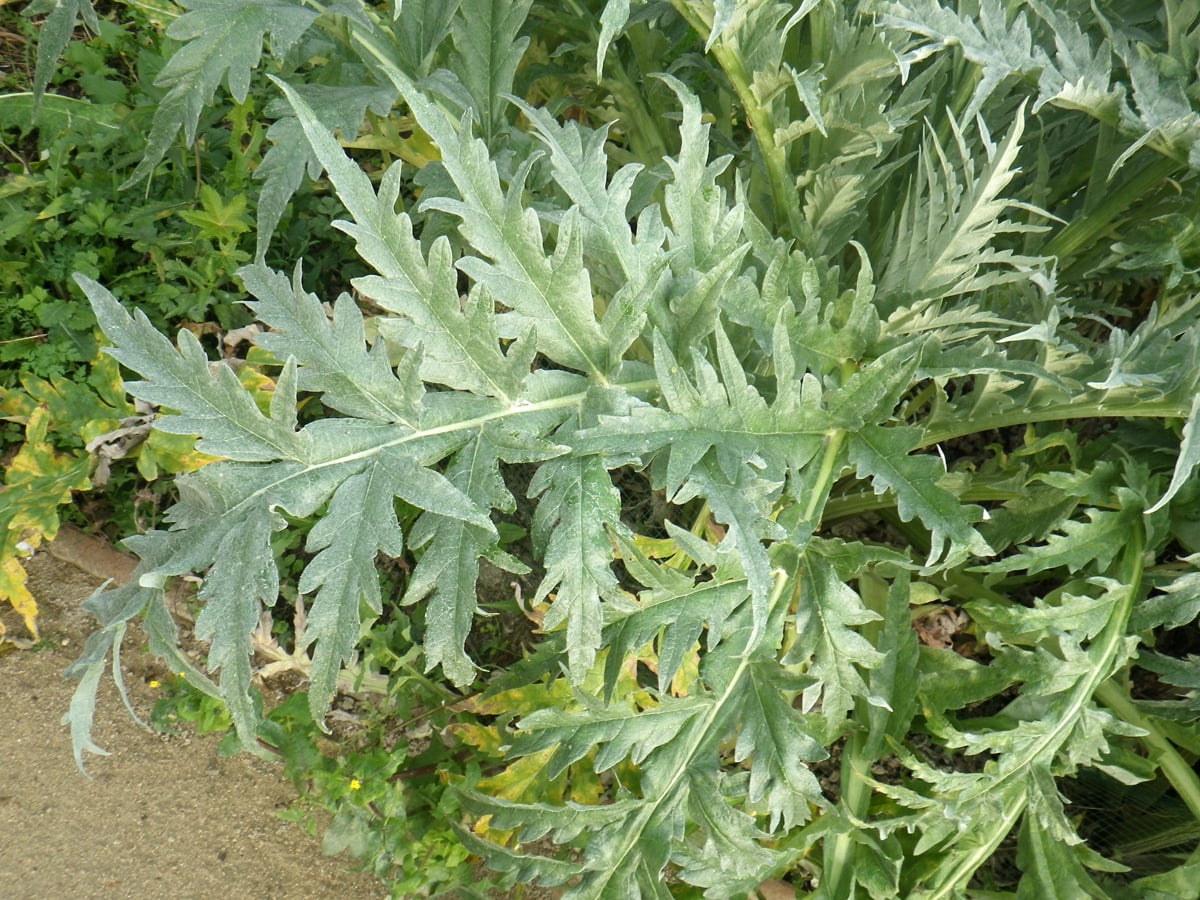
Large, in a rosette then alternate, glossy, cut into lobes edged with yellow spines, marbled white along the veins
🌸 Flowers
Large solitary flower heads 4 to 5 cm, purple, surrounded by broad bracts ending in a strong curved spine
🍎 Fruits
Shiny black achenes topped by a silky white pappus
🌿 Stem and habit
Robust, ridged, slightly cottony stem
Distribution, pollinators, uses
🗺️ Distribution
Mediterranean basin; naturalised elsewhere in temperate Europe and in the world
🐝 Value for pollinators
Much visited by bumblebees, bees and butterflies; the seeds feed goldfinches
✂️ Horticultural uses
Ornamental plant with large marbled foliage in wild gardens, or a weed of waste ground
⚠️ Possible toxicity
The seeds are used in herbal medicine (silymarin), but without medical advice any preparation is avoided; on soils very rich in nitrogen, the plant can accumulate nitrates that are dangerous to livestock
⚠️ Look-alike species
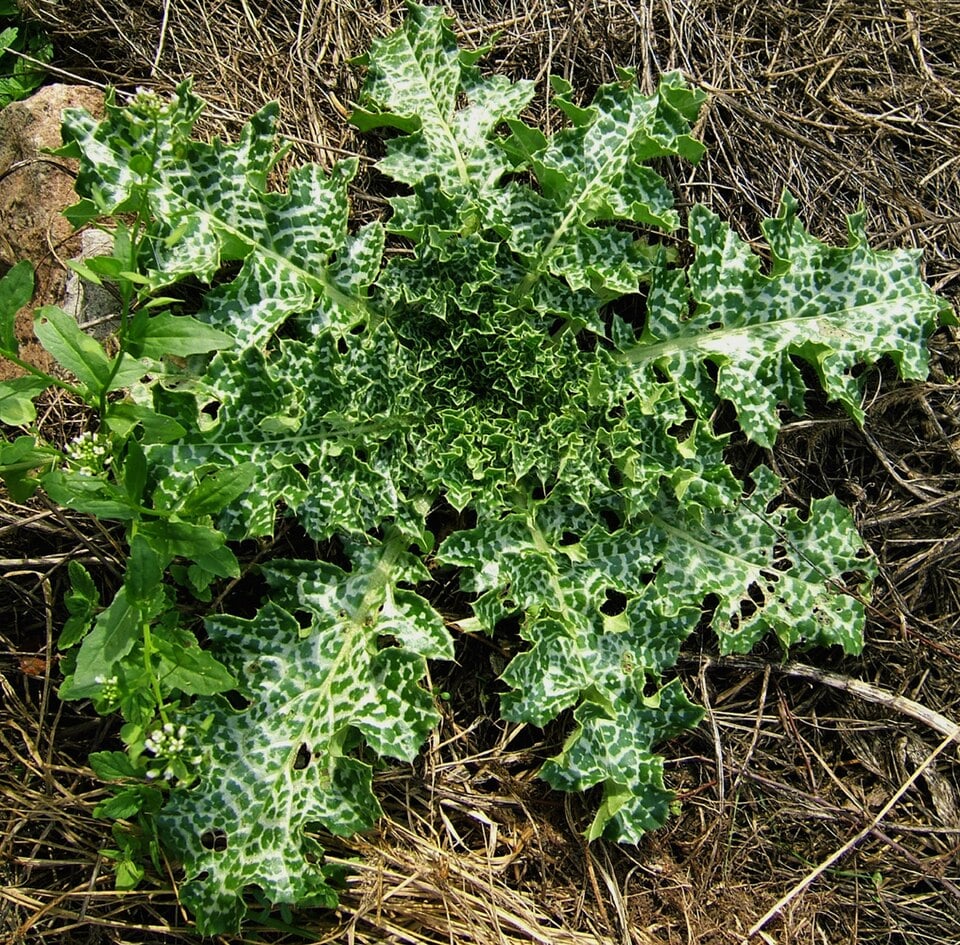
Milk thistle
Silybum marianum
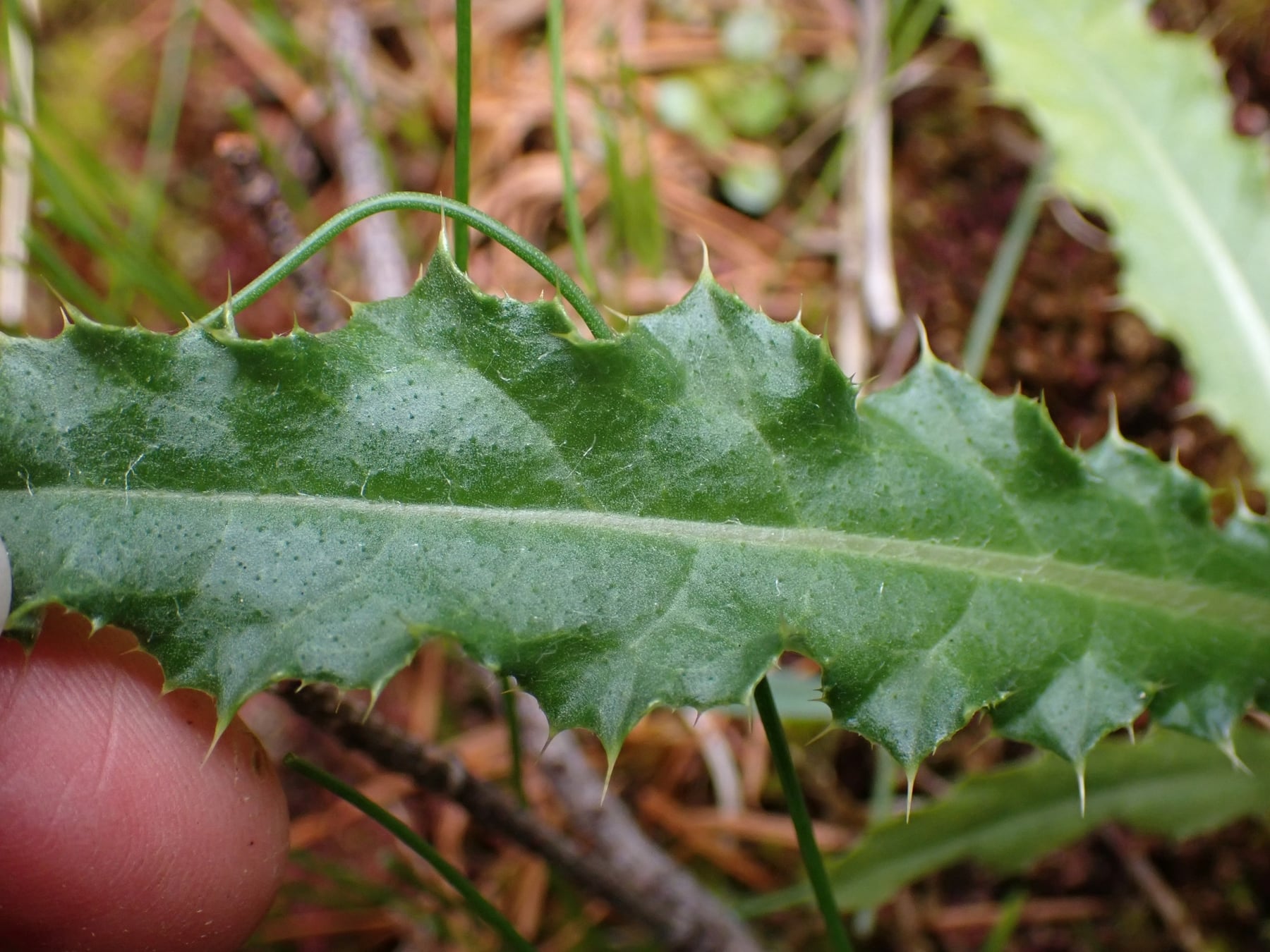
Creeping thistle
Cirsium arvense
Milk thistle is a large annual or biennial with glossy leaves marbled white and large purple flower heads with spiny bracts; creeping thistle is a creeping perennial with plain, bright green leaves, small lilac flower heads and a spineless stem.
🌿 Other Asteraceae to discover
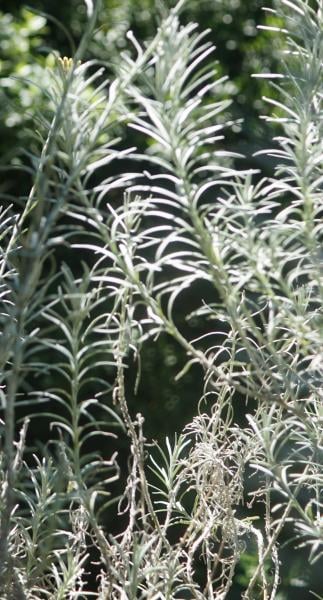
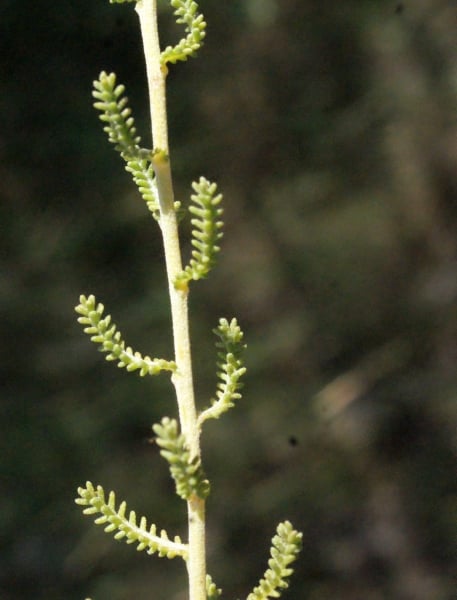
ℹ️ Educational profile — do not use it to judge whether a plant is edible or safe.
🌱 This database is constantly evolving — species and information are added and corrected regularly. Spotted a mistake? Report it below.
© Floraneo — profile content is protected; reproduction without permission is prohibited. Photos remain under their own licence (see the credit shown on each photo).