Leaf
Krzysztof Ziarnek, Kenraiz · CC BY-SA 4.0
Lawson's cypress
Chamaecyparis lawsoniana (A.Murray bis) Parl.
Also known as: Port Orford cedar
Family: Cupressaceae
- 15 to 25 m tall when mature, often clipped lower as a hedge
- Planted as a hedge or specimen in gardens, exists in a great many cultivars of varying colour and habit
- Full sun, Part shade
- Hardy to about -20°C
In flower from March to April
2 monthsMarch – April (flowering barely visible)
❓ How do you recognise this plant?
Susceptible to a pathogenic fungus that has considerably reduced its wild populations in North America, it nonetheless remains one of the most widely grown hedging conifers in Europe.
Learn to recognise it
Cedars, cypresses and sequoias. This plant is in the lesson “Cedars, cypresses and sequoias”, with 10 others.

A free account is enough for this lesson.
🍃 Leaves
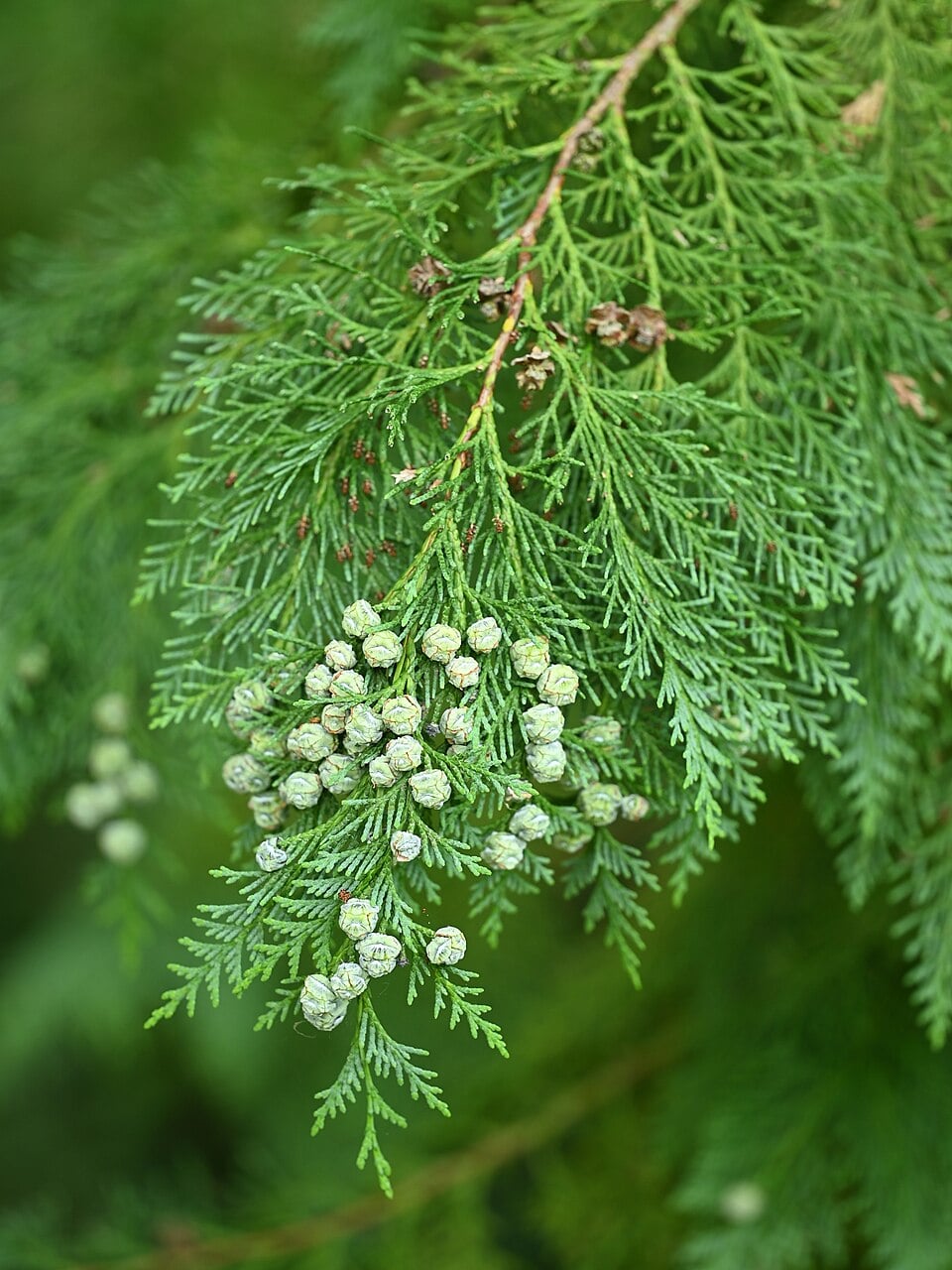
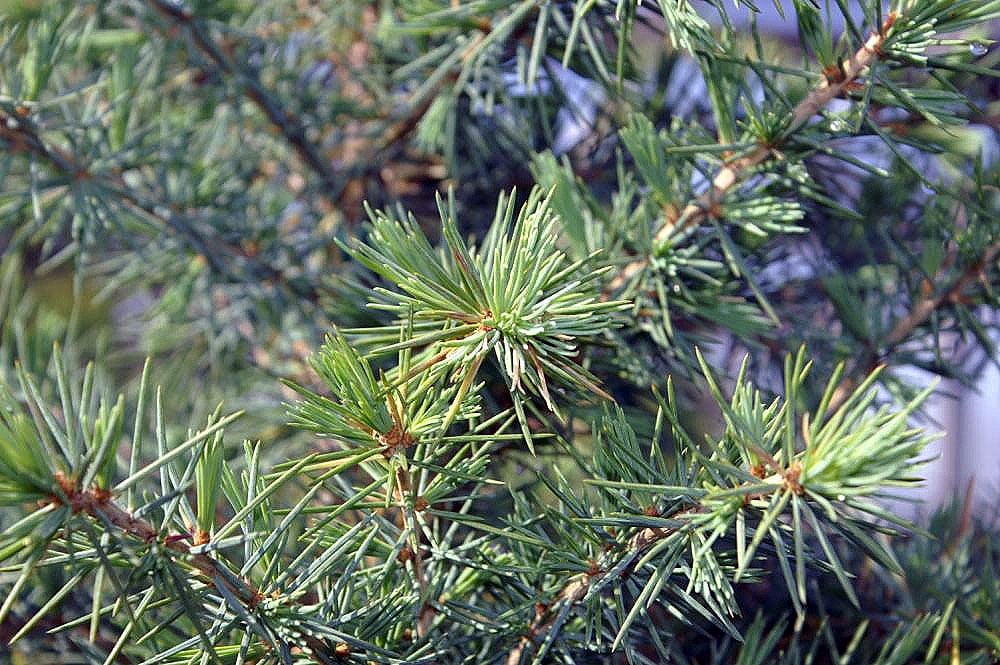
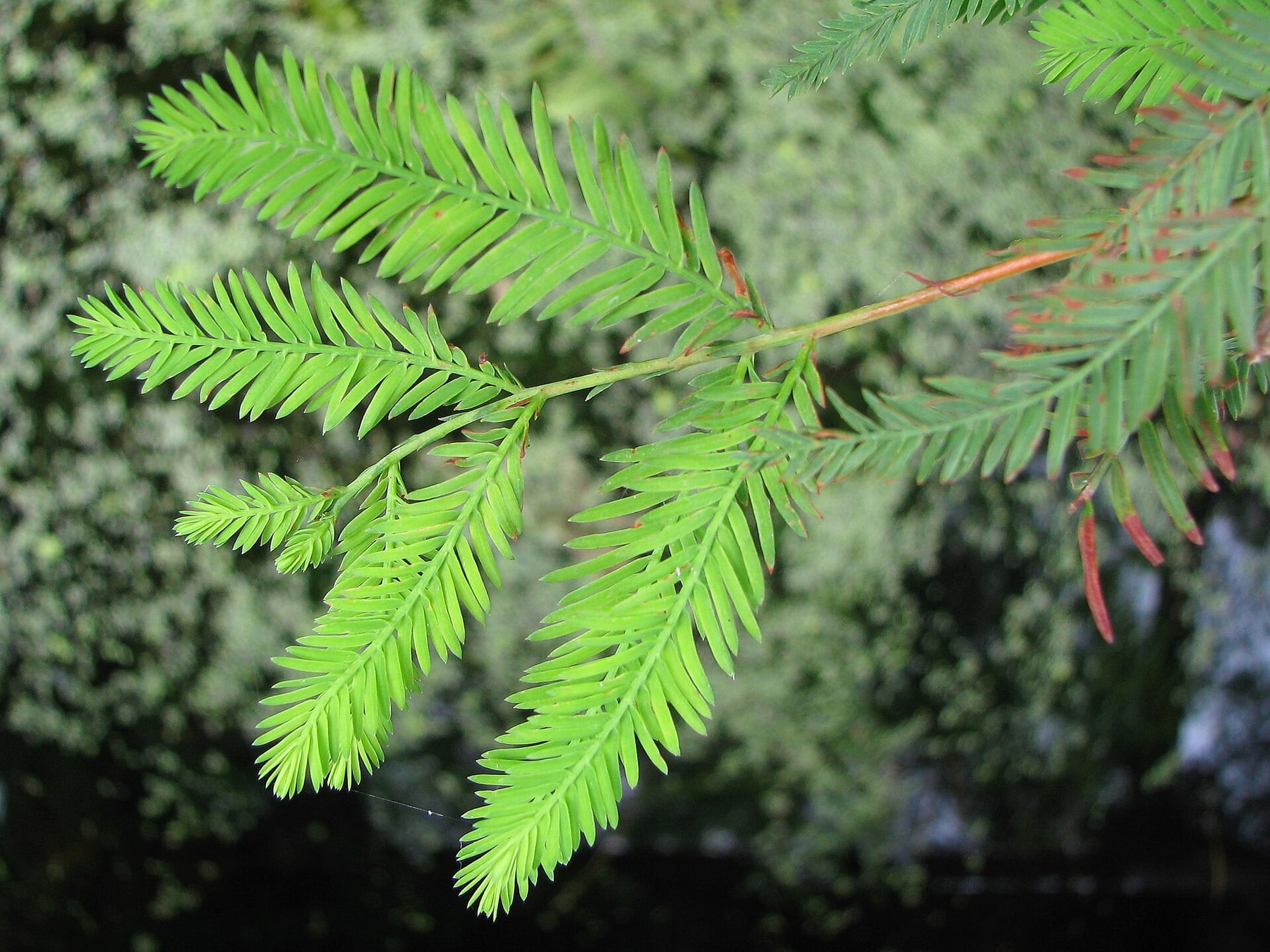
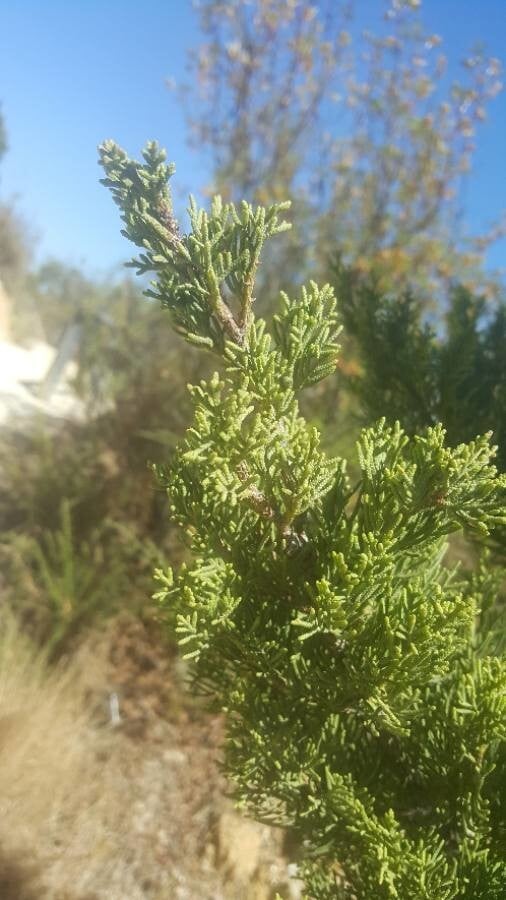
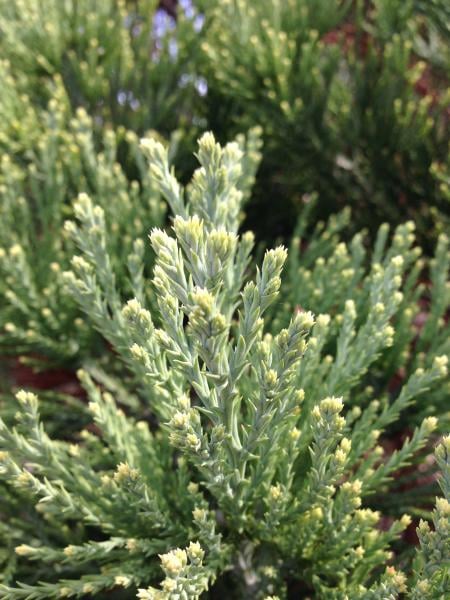
Evergreen, flat scales arranged in a fan, green to bluish or golden depending on the cultivar, distinctive smell when crushed
🌸 Flowers
Small reddish male cones at the tips of the shoots in spring
🍎 Fruits
Small round cones, blue-green then brown, with few scales
🪵 Bark
Reddish-brown, fibrous, peeling in strips
Distribution, pollinators, uses
🗺️ Distribution
Native to the western United States, Oregon and California
✂️ Horticultural uses
Widely used as a screening hedge and as a specimen; countless dwarf, golden or bluish cultivars exist for ornamental use
🌱 Known cultivars
'Ellwoodii'
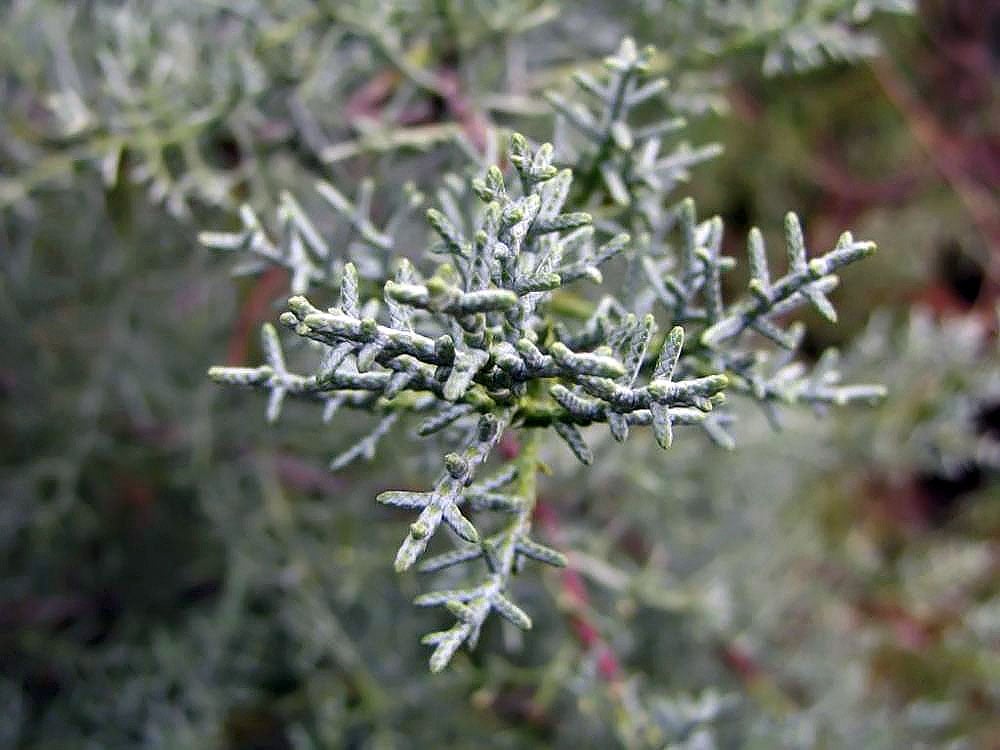
This cultivar forms a compact conical shrub with dense, soft, blue-grey juvenile foliage, very different from the large pyramidal tree with green foliage of the type species.
🌿 Other Cupressaceae to discover
ℹ️ Educational profile — do not use it to judge whether a plant is edible or safe.
🌱 This database is constantly evolving — species and information are added and corrected regularly. Spotted a mistake? Report it below.
© Floraneo — profile content is protected; reproduction without permission is prohibited. Photos remain under their own licence (see the credit shown on each photo).