Leaf
AfroBrazilian, Wikimedia · CC BY-SA 4.0
Kamchatka bugbane
Actaea simplex (DC.) Wormsk. ex Prantl
Also known as: Bugbane, Branched bugbane
Family: Ranunculaceae
1 to 1.8 m tall
Cool woodland understorey, shaded garden beds
Flowering: September – October
Part shade
Shade
-25°C
❓ How do you recognise this plant?
Its late flowering in fragrant spikes lights up shady beds at the end of the season, when almost everything else has finished flowering.
🍃 Leaves
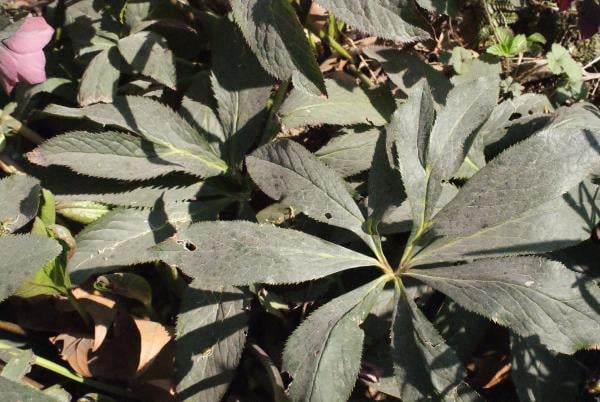
Large compound, divided leaves, dark green or purple depending on the variety
🌸 Flowers
Long, tapering cream-white spikes, very fragrant, held upright above the foliage
🍎 Fruits
Small dry follicles, barely visible
🪵 Bark
Tall herbaceous perennial forming a clump, with upright flowering stems.
🗺️ Distribution
Native to East Asia (Japan, China, Korea); widely grown in Europe as an ornamental shade perennial.
🐝 Value for pollinators
Spikes much visited by bees and bumblebees late in the season, a time when few other perennials are in flower.
✂️ Horticultural uses
Shady beds and woodland garden, combined with ferns and hostas; highly prized for its late flowering and fragrance.
⚠️ Possible toxicity
Plant toxic if eaten, like most of the buttercup family; irritant to skin and mucous membranes. Do not eat.
🌱 Known cultivars
'Brunette'
The cultivar 'Brunette' has deep purple-black foliage and pink-tinged flower spikes, very different from the green foliage and white flowers of the typical species.
🌿 Other Ranunculaceae to discover


ℹ️ Educational profile — do not use it to judge whether a plant is edible or safe.
🌱 This database is constantly evolving — species and information are added and corrected regularly. Spotted a mistake? Report it below.
© Floraneo — profile content is protected; reproduction without permission is prohibited. Photos remain under their own licence (see the credit shown on each photo).