It flowers in the depths of winter, sometimes through snow, hence its nickname "Christmas rose". The Christmas rose has large solitary white flowers opening at ground level in midwinter, whereas stinking hellebore bears many small pale green bells edged with purple and gives off an unpleasant smell when crushed.
🍃 Leaves
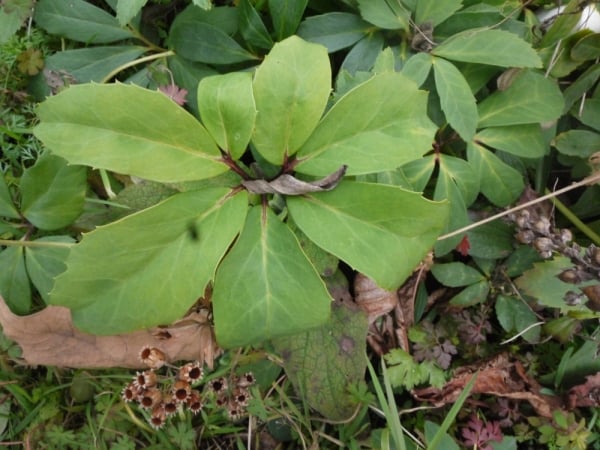
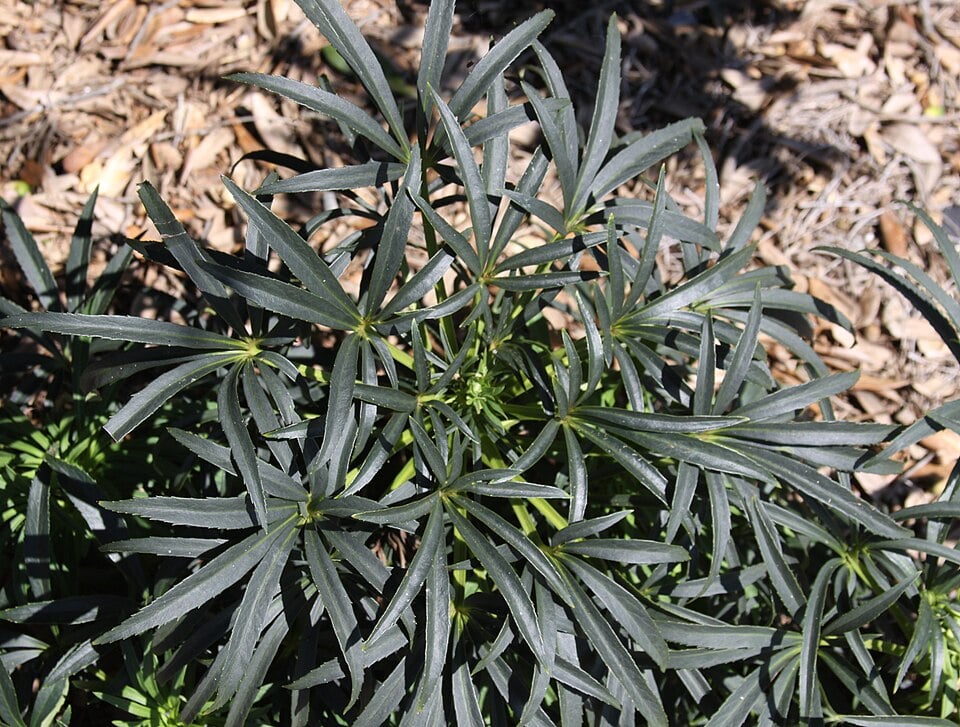
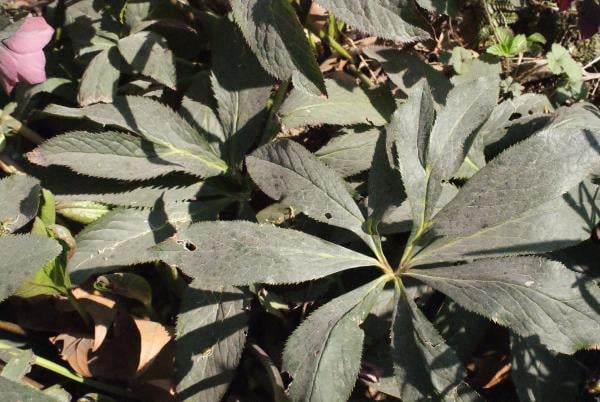
Evergreen, leathery, palmate, glossy dark green
🌸 Flowers
Large white flowers with a centre of yellow stamens, turning pink with age
🍎 Fruits
Clustered follicles containing several seeds
🪵 Bark
Short rootstock, upright leafless flower stems
🗺️ Distribution
Mountains of central and southern Europe (Alps, Balkans); rare and localised in France, grown in gardens.
🐝 Value for pollinators
Large white flowers in midwinter, a precious but rare resource for insects active in mild winters.
✂️ Horticultural uses
Shady beds, woodland; sought-after winter flowering (Christmas rose), to be kept out of the reach of children.
⚠️ Possible toxicity
Toxic in all its parts (cardiotonic glycosides); eating it may cause serious digestive and cardiac disorders.
The Christmas rose has large solitary white flowers opening at ground level in midwinter, whereas stinking hellebore bears many small pale green bells edged with purple and gives off an unpleasant smell when crushed.
The Christmas rose flowers from winter with large solitary white flowers; Lenten rose flowers a little later, in clumps of flowers that are often pink, purple or spotted.