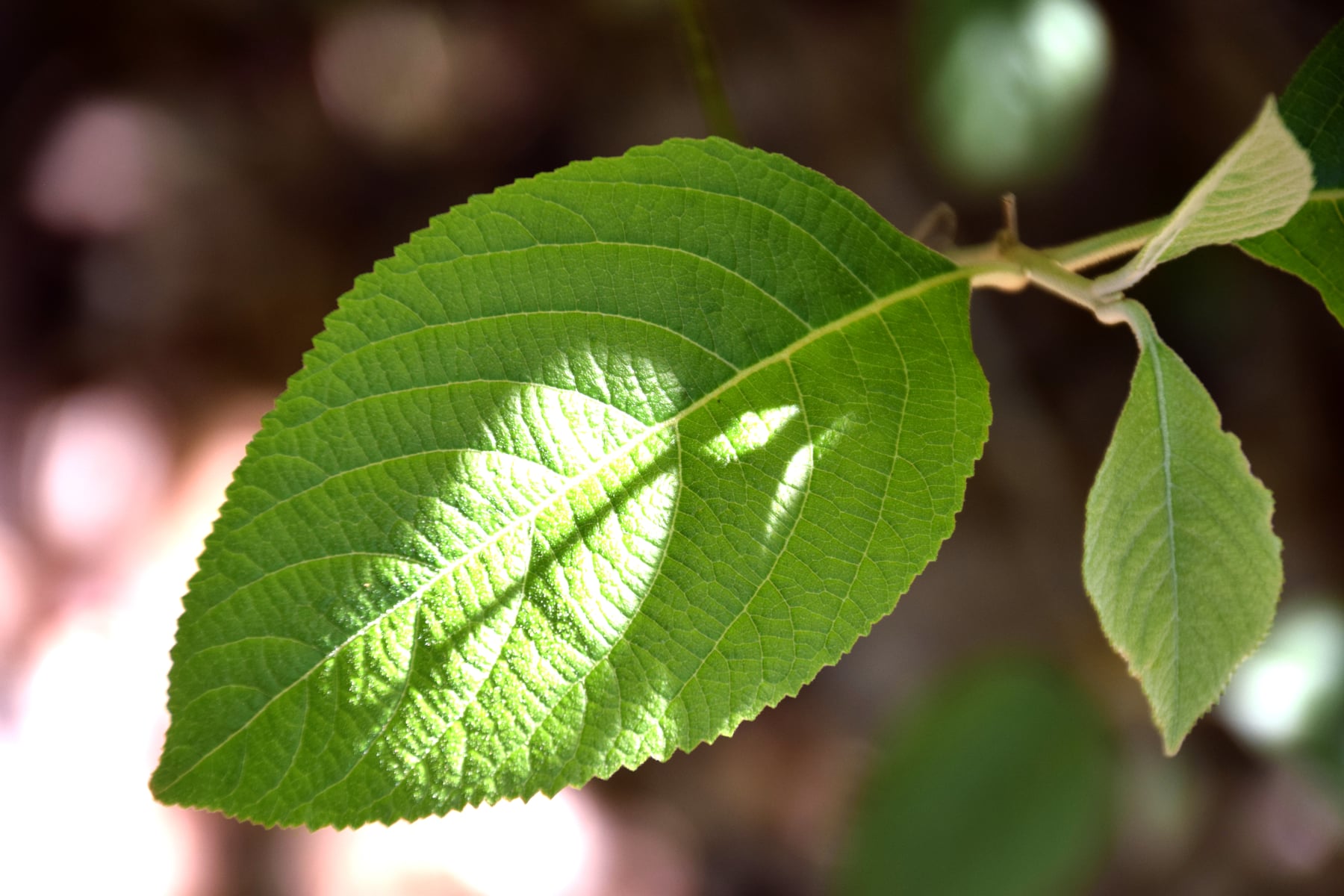
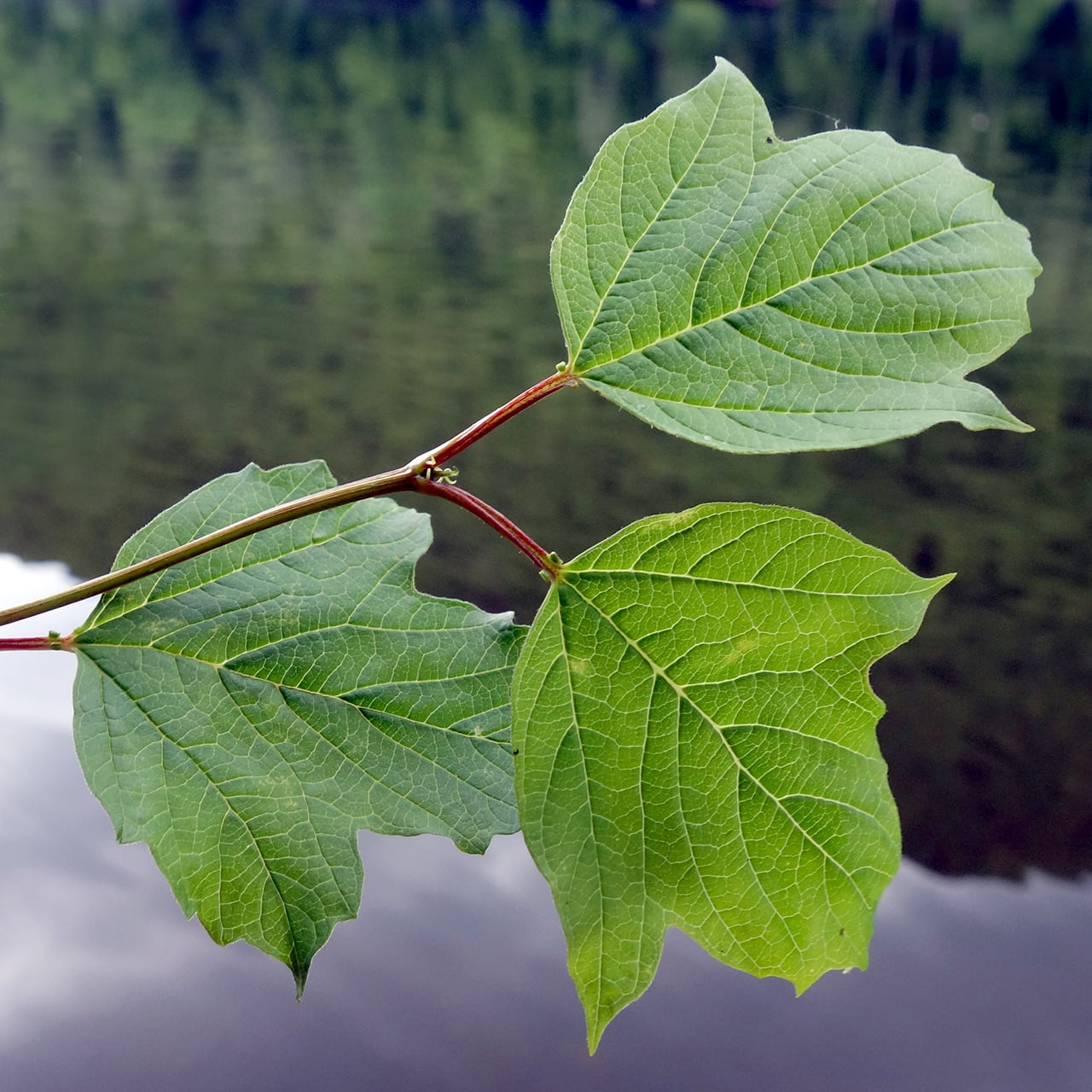
Leaf
Salicyna, Wikimedia · CC BY-SA 4.0
Telling viburnums apart ›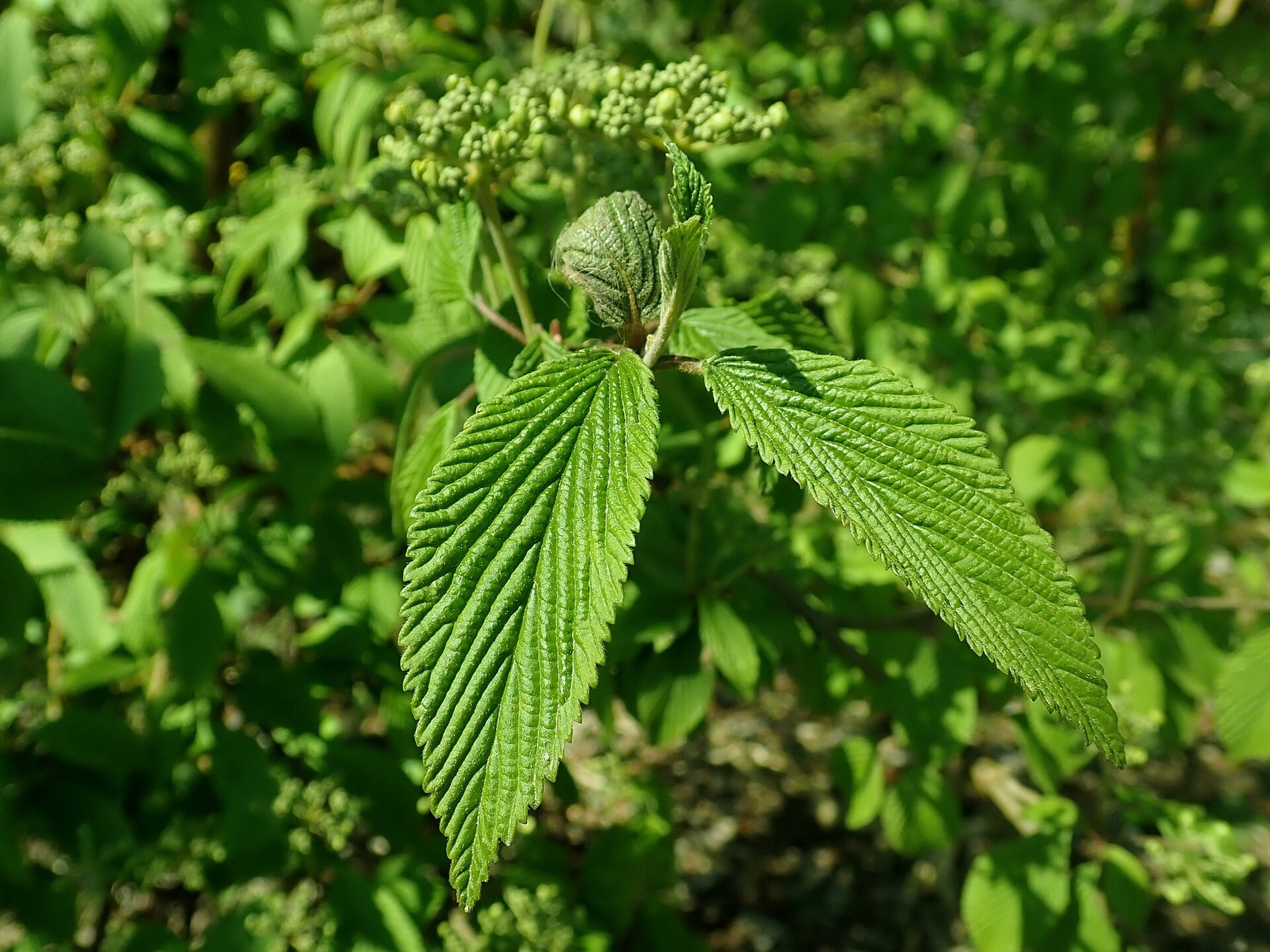
 +6
- 2 to 3 m tall
- Shrub planted singly or in borders, recognisable by its tiered habit in horizontal layers.
- Full sun, Part shade
- Hardy to about -20°C
In flower from May to June
2 months❓ How do you recognise this plant?
Its branches grow horizontally in successive tiers, so that the rows of white flowers seem to be laid out on stacked plates, a habit so characteristic that it can be recognised from afar even without flowers.
Learn to recognise it
Viburnums, dogwoods and berry shrubs. This plant is in the lesson “Viburnums, dogwoods and berry shrubs”, with 10 others.
🍃 Leaves
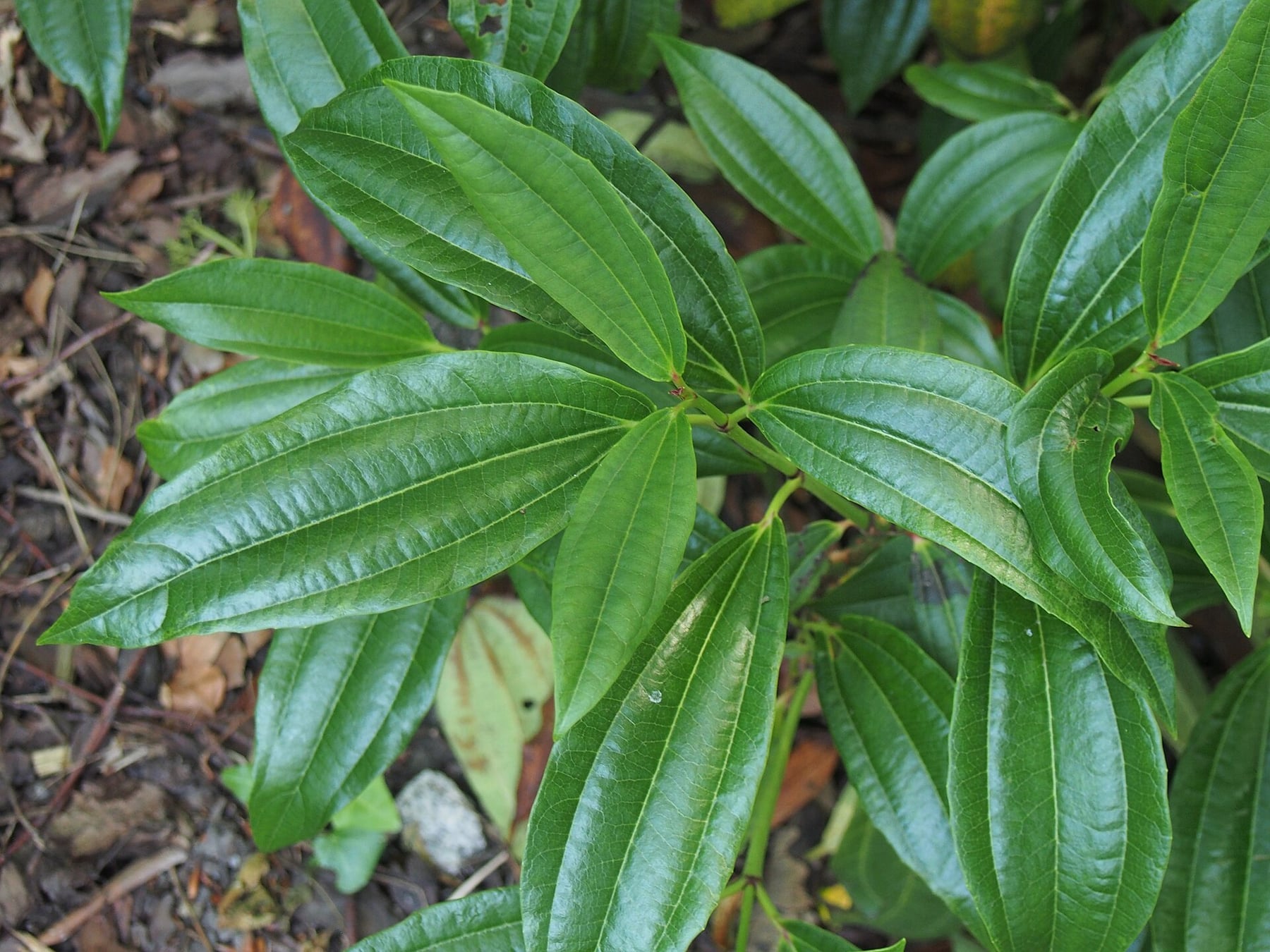
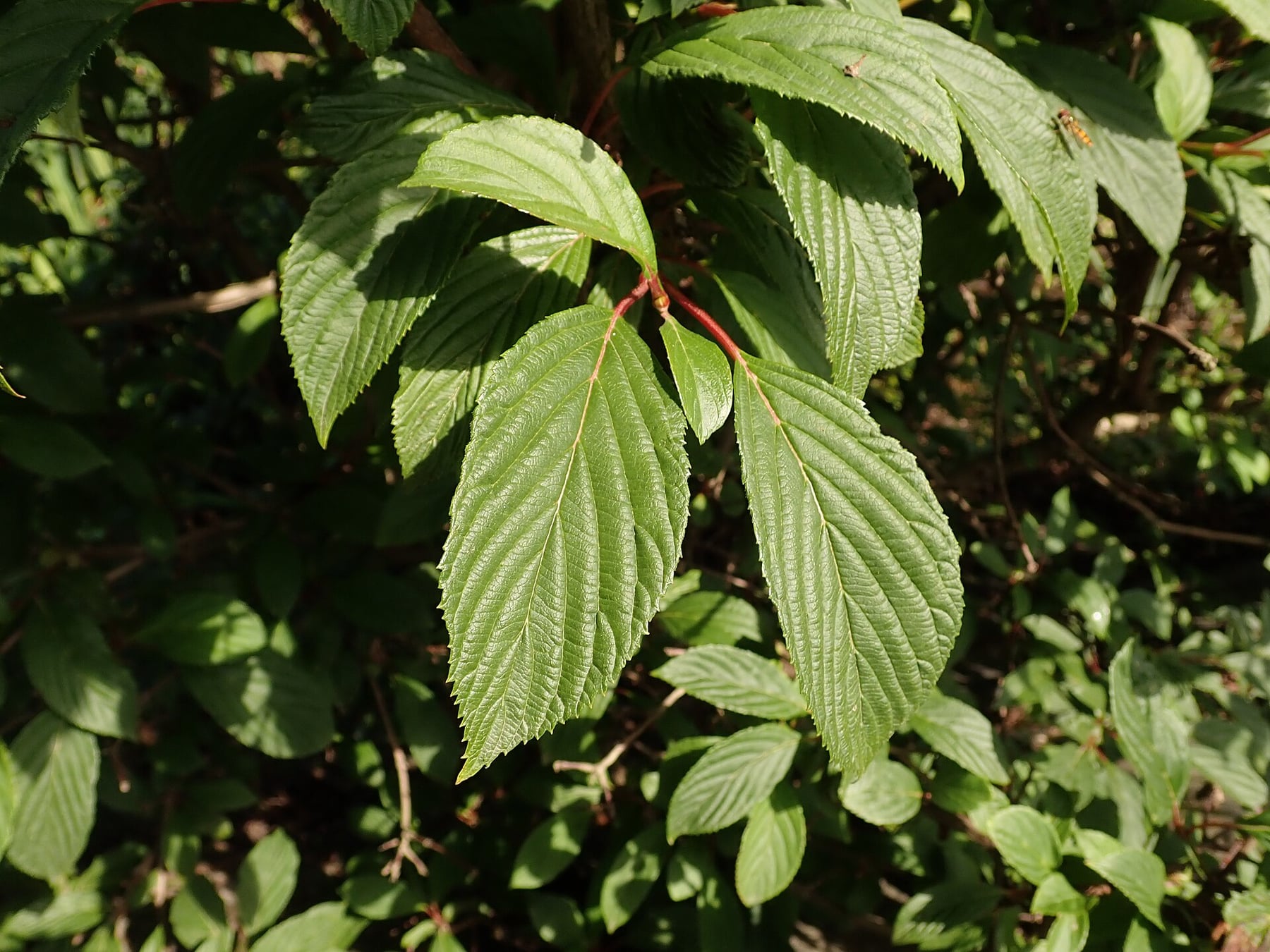
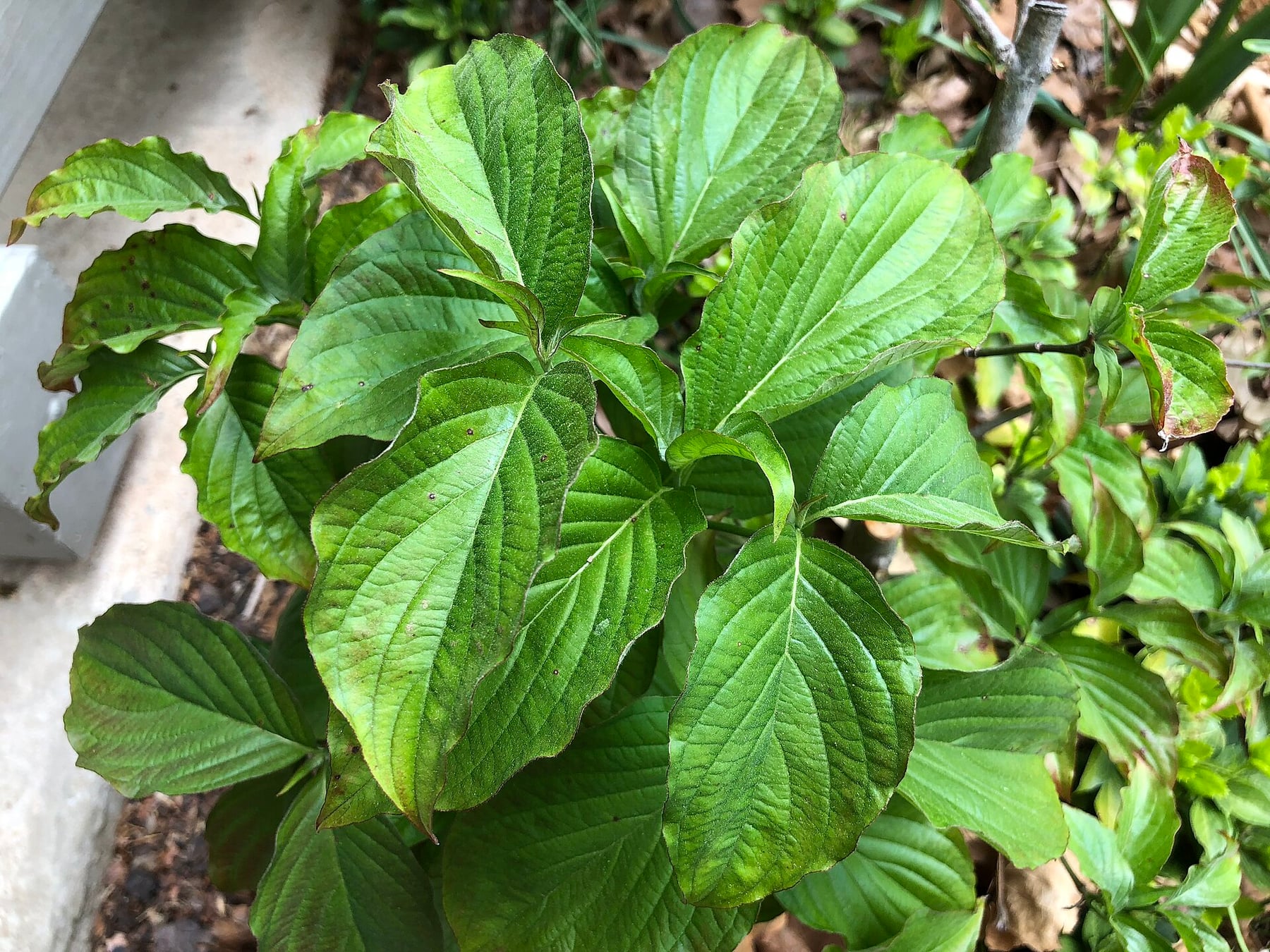
Deciduous, opposite, ovate, strongly pleated and veined, toothed
🌸 Flowers
White, gathered in flat corymbs arranged along tiered horizontal branches; some cultivars bear sterile flowers in a ring around the fertile flowers
🍎 Fruits
Small drupes, red then black when ripe, appreciated by birds
🪵 Bark
Brown-grey, barely fissured
Distribution, pollinators, uses
🗺️ Distribution
Native to China, Japan and Taiwan, widely grown in Europe as an ornamental shrub
🐝 Value for pollinators
Fertile flowers visited by foraging insects; fruits sought after by birds
✂️ Horticultural uses
Planted as a specimen for its architectural tiered habit, in borders or at the back of an informal hedge
⚠️ Possible toxicity
Fruits slightly toxic if ingested, like most viburnums.
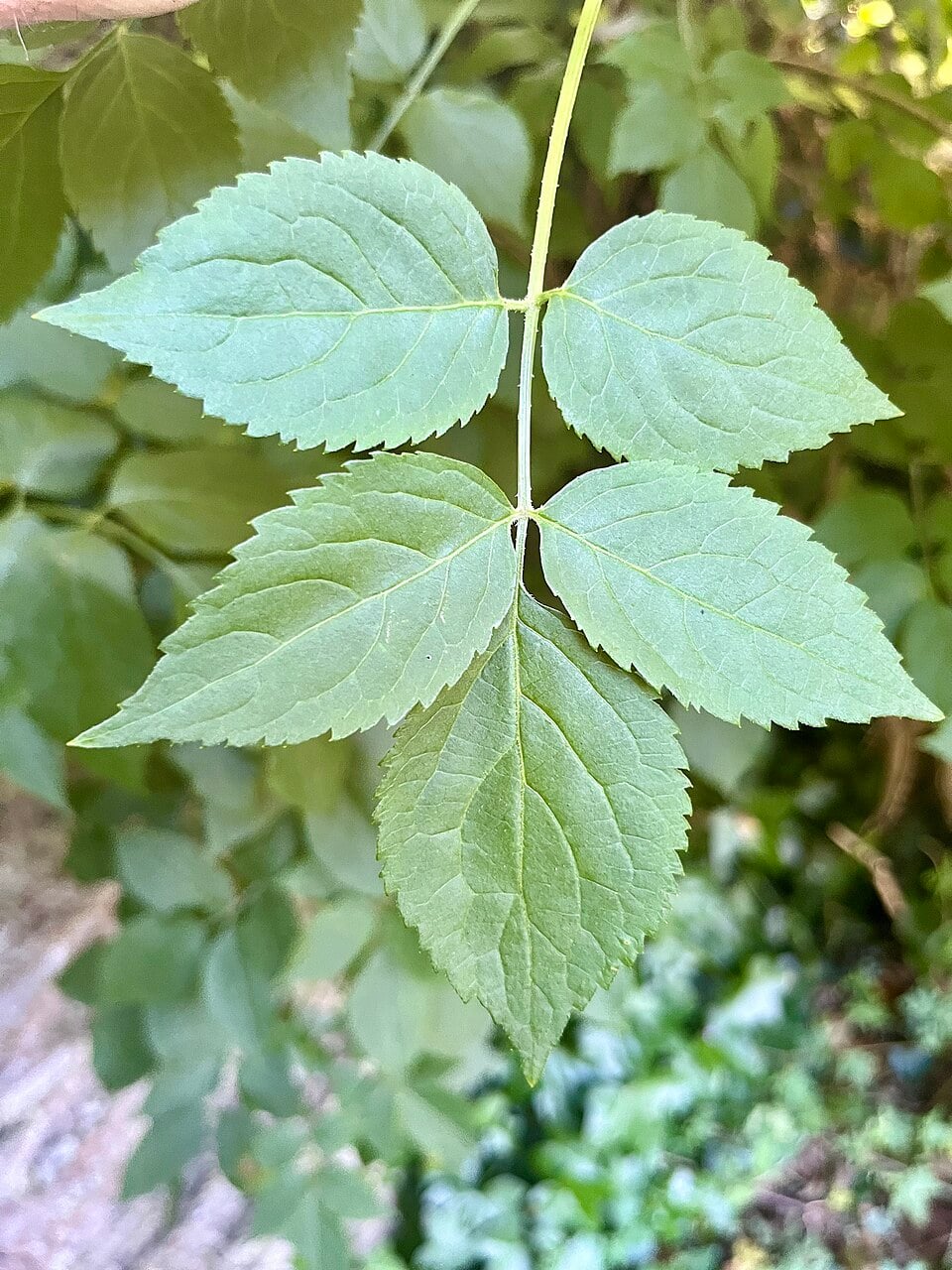
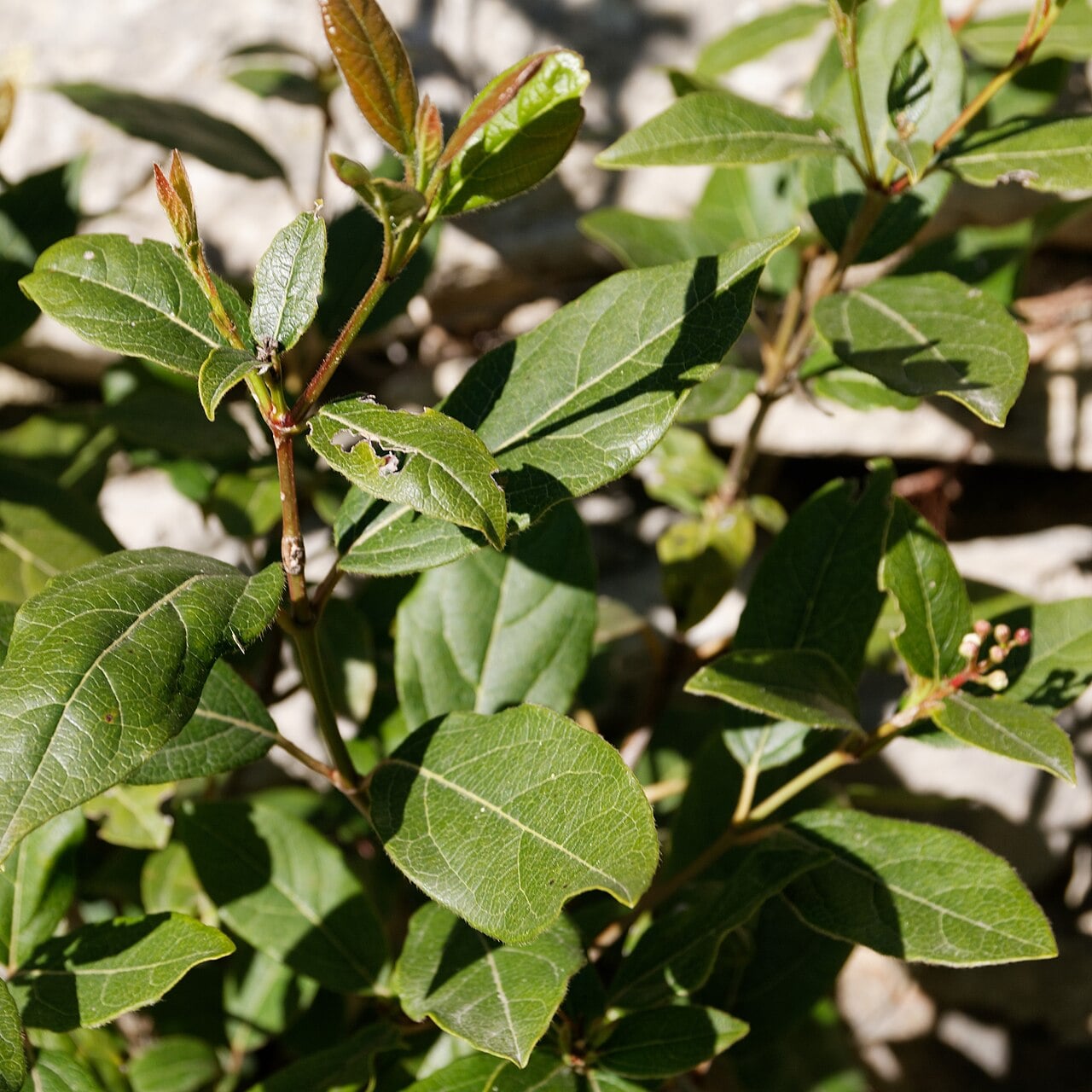
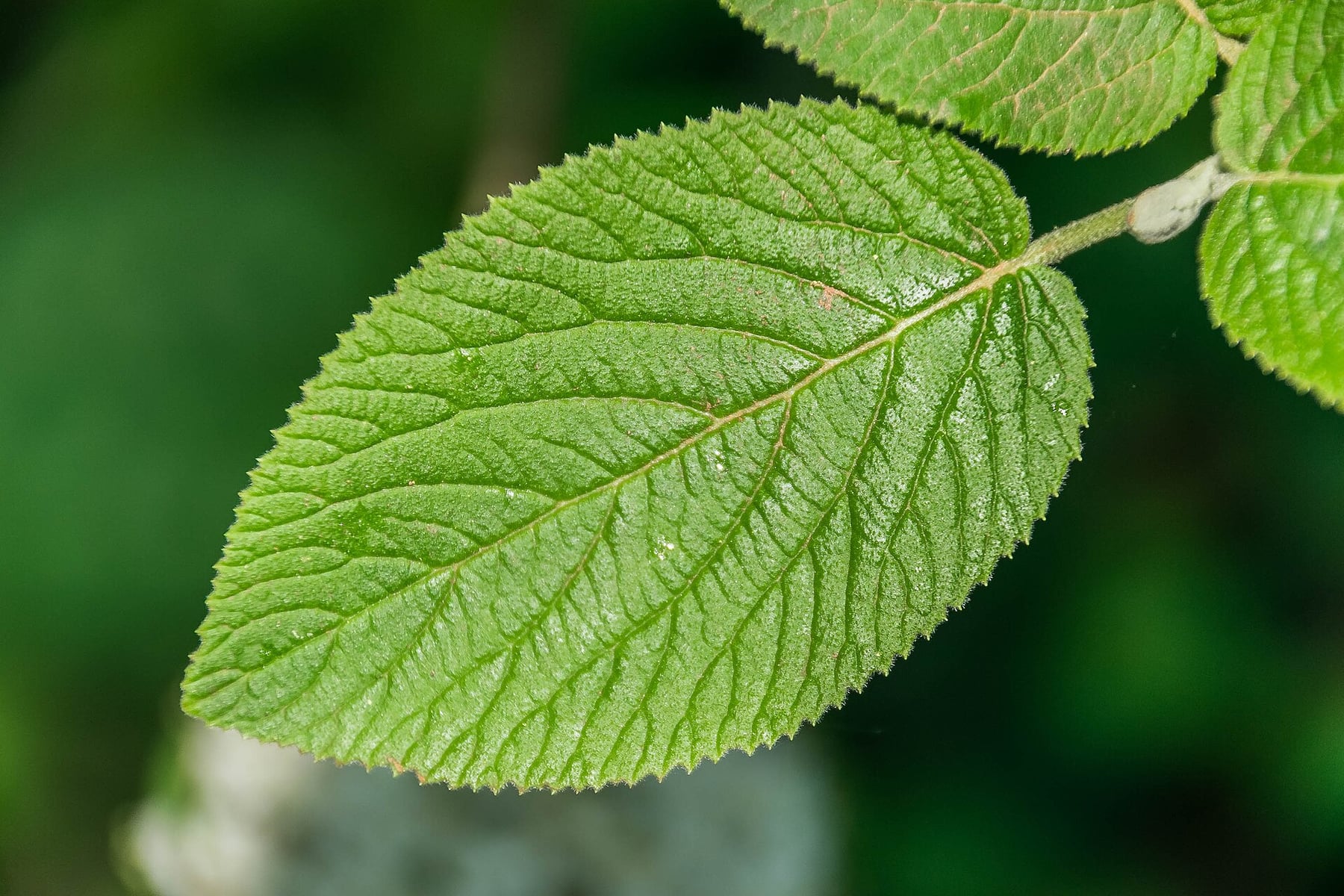
🌿 Other Adoxaceae to discover
ℹ️ Educational profile — do not use it to judge whether a plant is edible or safe.
🌱 This database is constantly evolving — species and information are added and corrected regularly. Spotted a mistake? Report it below.
© Floraneo — profile content is protected; reproduction without permission is prohibited. Photos remain under their own licence (see the credit shown on each photo).