Leaf
Rob Hille, Wikimedia · Domaine public
Japanese honeysuckle
Lonicera japonica Thunb.
Family: Caprifoliaceae
twining climber, up to 6 m long
Fences, pergolas, walls, all soils
Flowering: June – September
Full sun
Part shade
Hardy to -15°C
❓ How do you recognise this plant?
Its flowers, very fragrant especially in the evening, change colour as they age, from white to golden yellow. Common honeysuckle is deciduous, with flowers tinged red-purple from the moment they open, whereas Japanese honeysuckle keeps semi-evergreen foliage in winter and its white flowers turn yellow after flowering.
🍃 Leaves
Evergreen or semi-evergreen, ovate, bright green, opposite
🌸 Flowers
Tubular, cream-white turning yellow, very fragrant
🍎 Fruits
Small black berries
🪵 Bark
Reddish brown twining stems winding around supports
🗺️ Distribution
East Asia (China, Japan); introduced in France, considered invasive in some mild-climate regions.
🐝 Value for pollinators
Long, very fragrant summer flowering, rich in nectar, appreciated by moths and bees.
✂️ Horticultural uses
Planted to cover pergolas and fences quickly, to be watched as it can become invasive.
⚠️ Possible toxicity
The berries must not be eaten; they can cause digestive upset. The plant is also liable to be invasive in some regions.
⚠️ Look-alike species
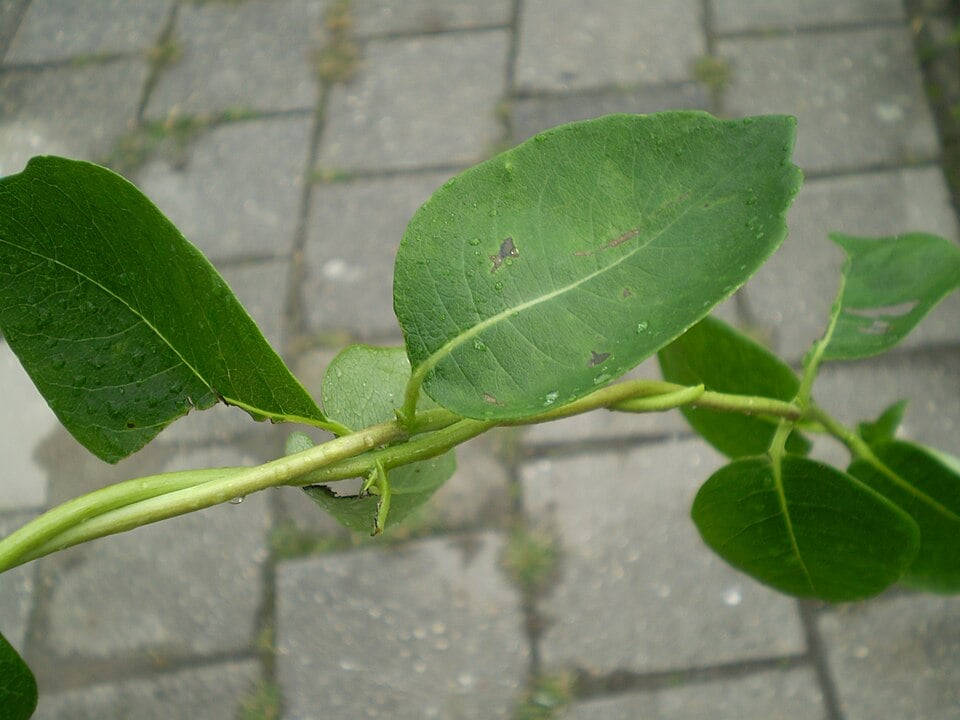
Japanese honeysuckle
Lonicera japonica
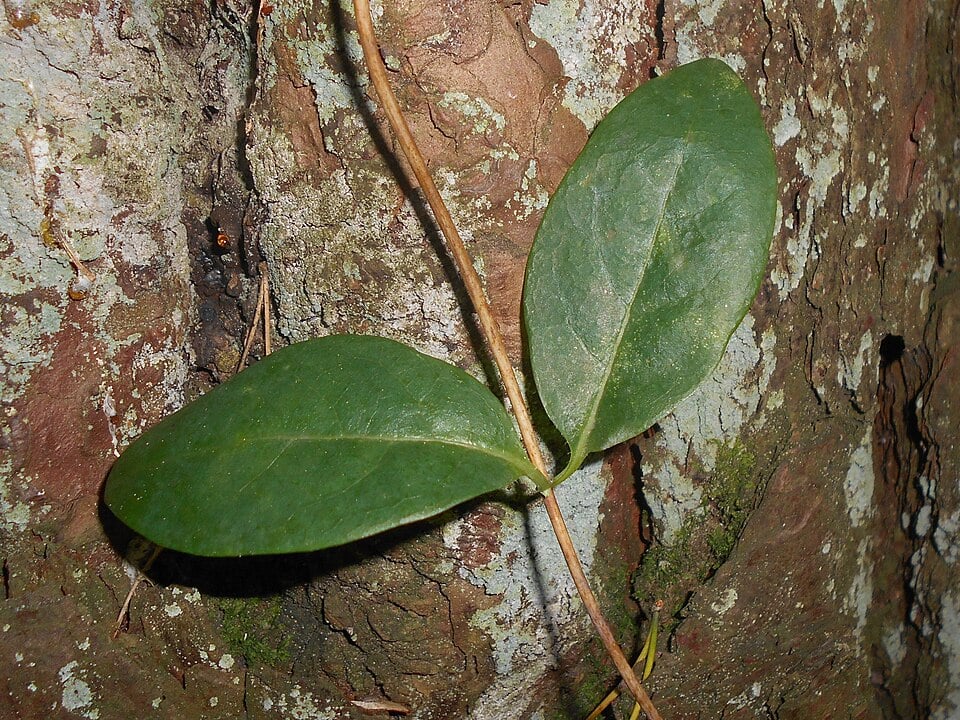
Common honeysuckle
Lonicera periclymenum
Common honeysuckle is deciduous, with flowers tinged red-purple from the moment they open, whereas Japanese honeysuckle keeps semi-evergreen foliage in winter and its white flowers turn yellow after flowering.
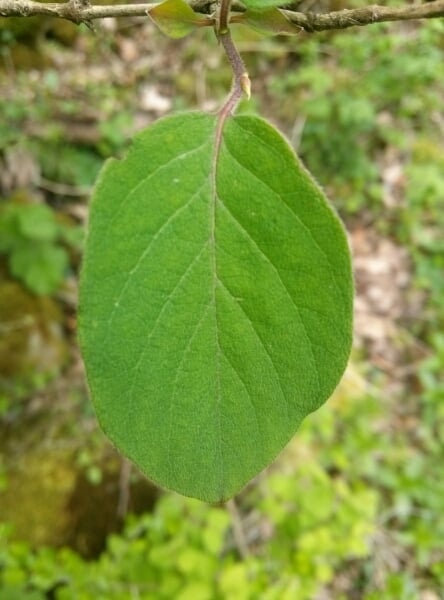
🌿 Other Caprifoliaceae to discover


ℹ️ Educational profile — do not use it to judge whether a plant is edible or safe.
🌱 This database is constantly evolving — species and information are added and corrected regularly. Spotted a mistake? Report it below.
© Floraneo — profile content is protected; reproduction without permission is prohibited. Photos remain under their own licence (see the credit shown on each photo).