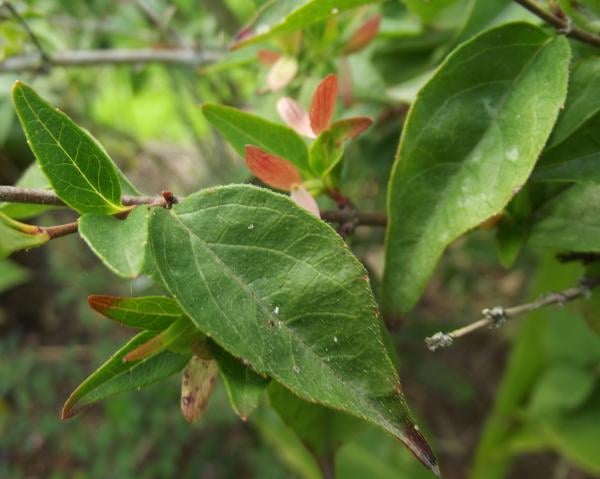
Leaf
Jean-Claude Echardour, Tela Botanica · CC BY-SA 2.0
Box honeysuckle
Lonicera nitida E.H.Wilson
Also known as: Boxleaf honeysuckle, Wilson's honeysuckle
Family: Caprifoliaceae
- 1 to 2 m tall, often kept lower by clipping
- Planted in clipped hedges and topiary, ordinary soils
- Full sun, Part shade
- Very hardy, to about -20°C
In flower from April to May
2 monthsInconspicuous
❓ How do you recognise this plant?
Box honeysuckle is widely used as a substitute for box in clipped hedges and topiary, its tiny, dense foliage standing frequent, severe clipping very well, unlike most climbing honeysuckles.
Learn to recognise it
Rock roses, honeysuckles and rockery shrubs. This plant is in the lesson “Rock roses, honeysuckles and rockery shrubs”, with 10 others.
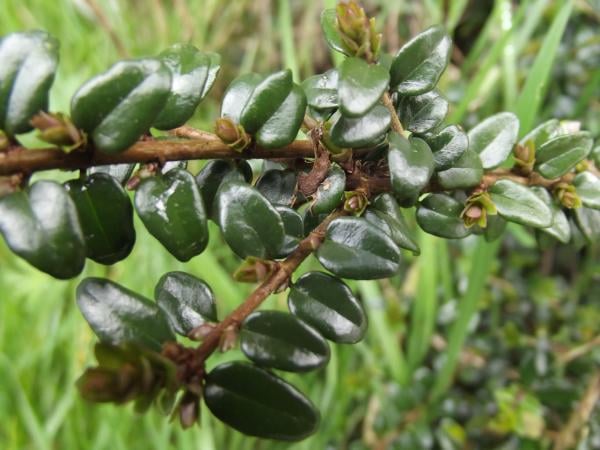
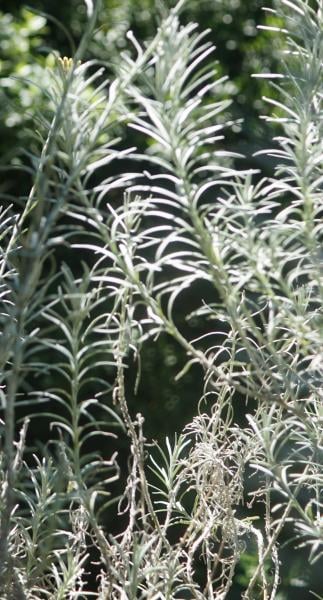
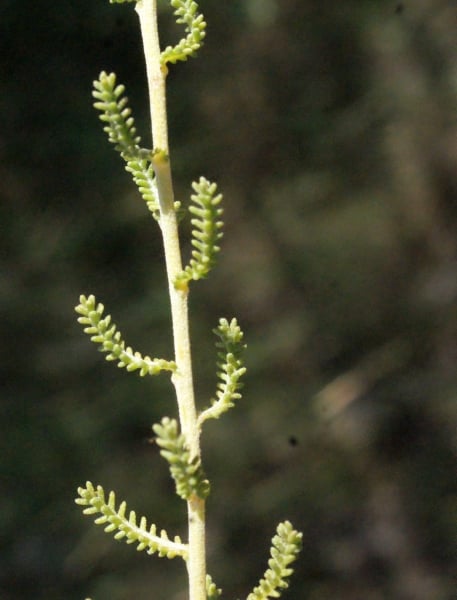
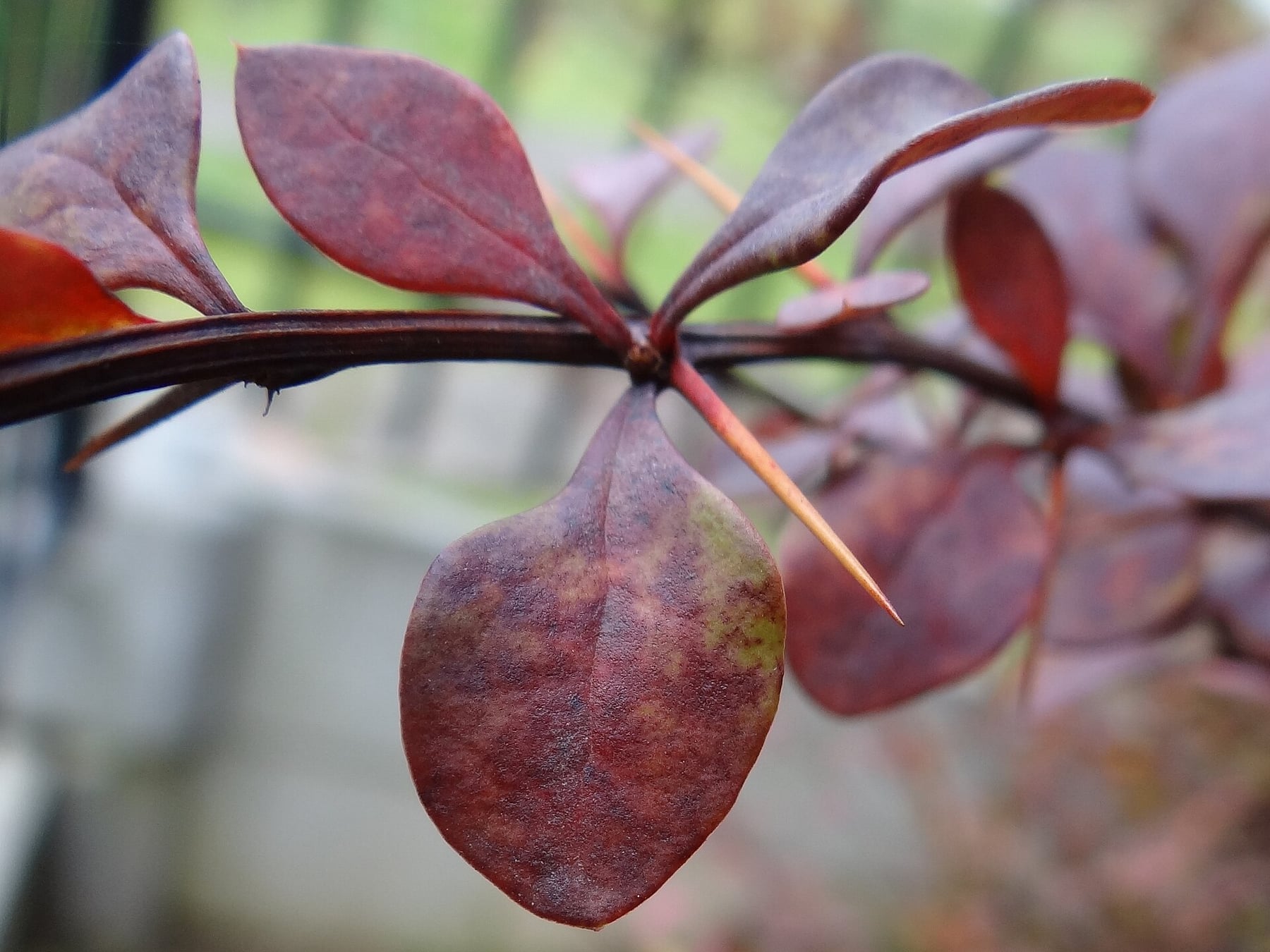
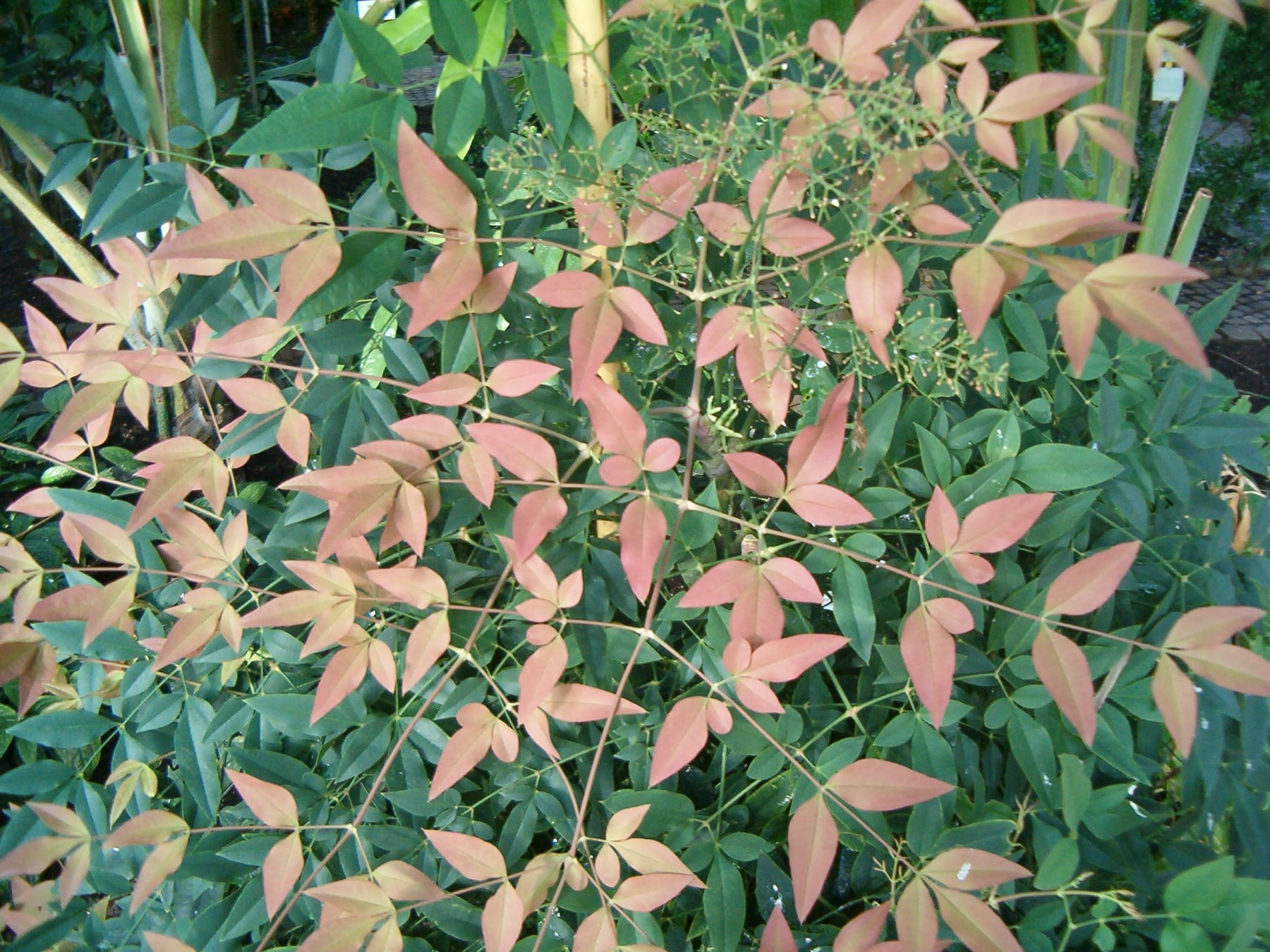
🍃 Leaves
Evergreen, very small, ovate, glossy, densely arranged
🌸 Flowers
Tiny, cream-white, barely visible, faintly fragrant
🍎 Fruits
Small purplish red to black fruits, not abundant on regularly clipped shrubs.
🪵 Bark
Brown, fine and numerous twigs
Distribution, pollinators, uses
🗺️ Distribution
Native to China; widely planted in France as a clipped hedge shrub
🐝 Value for pollinators
Small, faintly nectar-bearing flowers, little visited because frequent clipping limits flowering
✂️ Horticultural uses
Low hedge and topiary shrub, its dense, fine foliage making it a common substitute for box in clipped forms
⚠️ Possible toxicity
Berries slightly toxic if eaten
🌿 Other Caprifoliaceae to discover
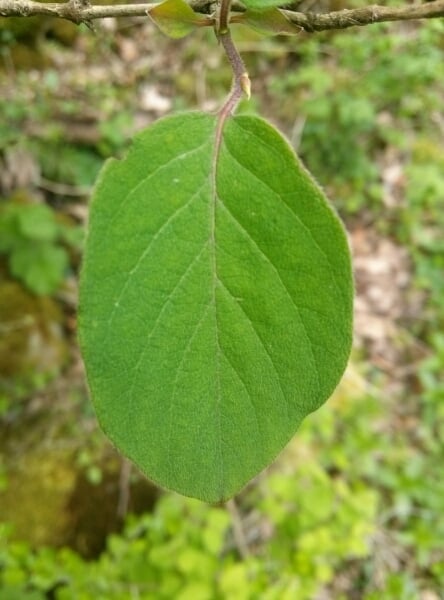
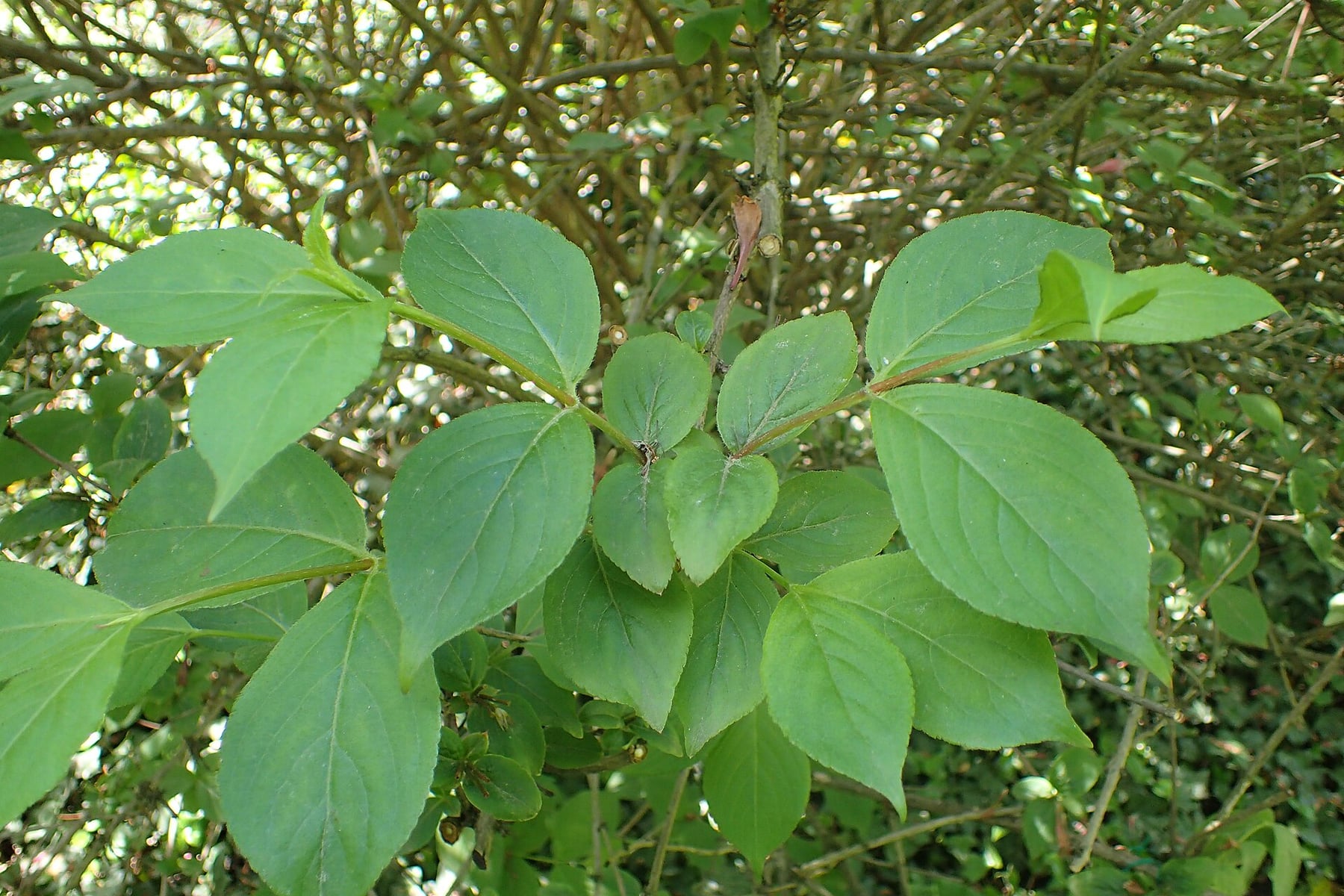
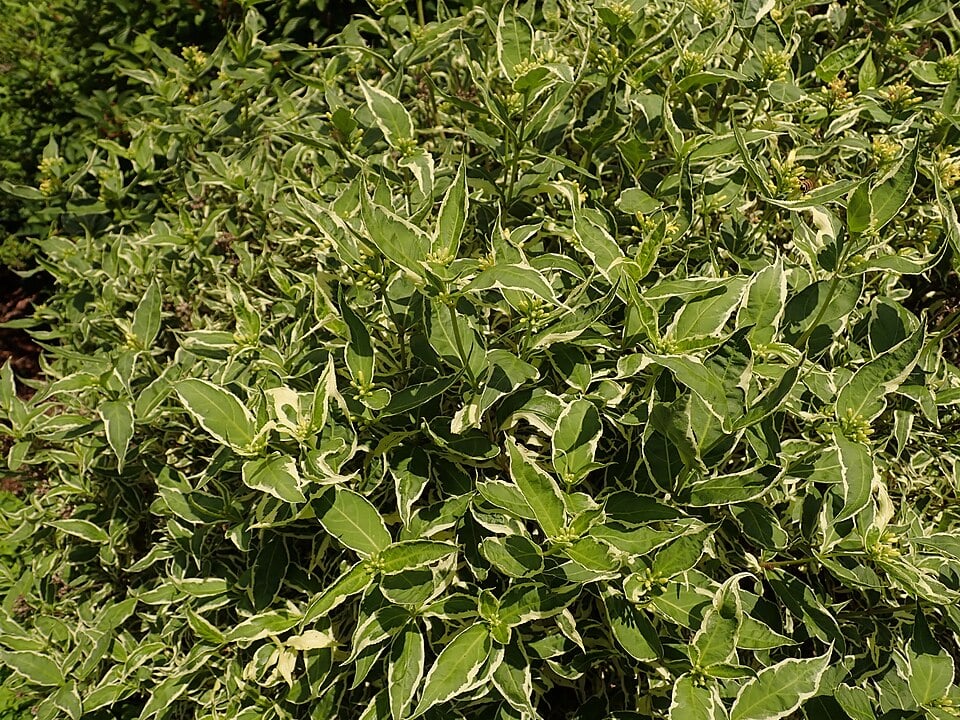
ℹ️ Educational profile — do not use it to judge whether a plant is edible or safe.
🌱 This database is constantly evolving — species and information are added and corrected regularly. Spotted a mistake? Report it below.
© Floraneo — profile content is protected; reproduction without permission is prohibited. Photos remain under their own licence (see the credit shown on each photo).