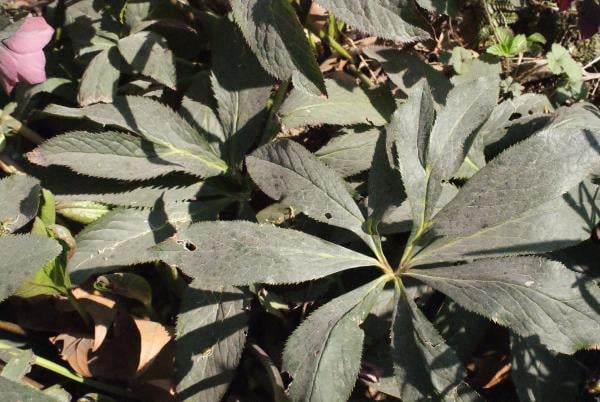
Leaf
Geneviève Perello, Tela Botanica · CC BY-SA 2.0
Japanese anemone
Anemone hupehensis (Lemoine) Lemoine
Also known as: Hupeh anemone
Family: Ranunculaceae
60 cm to 1 m tall
Planted in a shaded or partly shaded border, cool, rich soils
Flowering: August – October
Part shade
Full sun
Hardy, to about -20°C
❓ How do you recognise this plant?
Japanese anemone flowers at a time when most other perennials have finished their cycle — its light flowering from late summer until the first frosts makes it one of the few perennials to brighten the garden in autumn.
🍃 Leaves
Compound, three-lobed, slightly hairy, in a basal clump
🌸 Flowers
Pink to deep pink, grouped in light sprays on long upright stems
🍎 Fruits
Woolly achene
🪵 Bark
Rhizomatous, spreading herbaceous perennial clump
🗺️ Distribution
Native to China; widely grown in France as a perennial for shaded borders
🐝 Value for pollinators
Late, nectar-rich flowering, a valuable resource for bees in late summer and autumn
✂️ Horticultural uses
Perennial for shaded borders planted for its light, abundant flowering from late summer into autumn, tendency to naturalise by its spreading rhizomes
⚠️ Possible toxicity
Toxic, contains protoanemonin (like other Ranunculaceae); sap irritating on skin contact and causes mouth and digestive irritation if ingested.
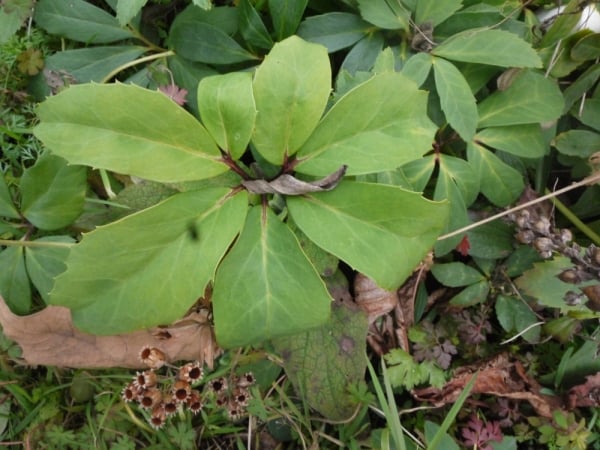
🌿 Other Ranunculaceae to discover


ℹ️ Educational profile — do not use it to judge whether a plant is edible or safe.
🌱 This database is constantly evolving — species and information are added and corrected regularly. Spotted a mistake? Report it below.
© Floraneo — profile content is protected; reproduction without permission is prohibited. Photos remain under their own licence (see the credit shown on each photo).