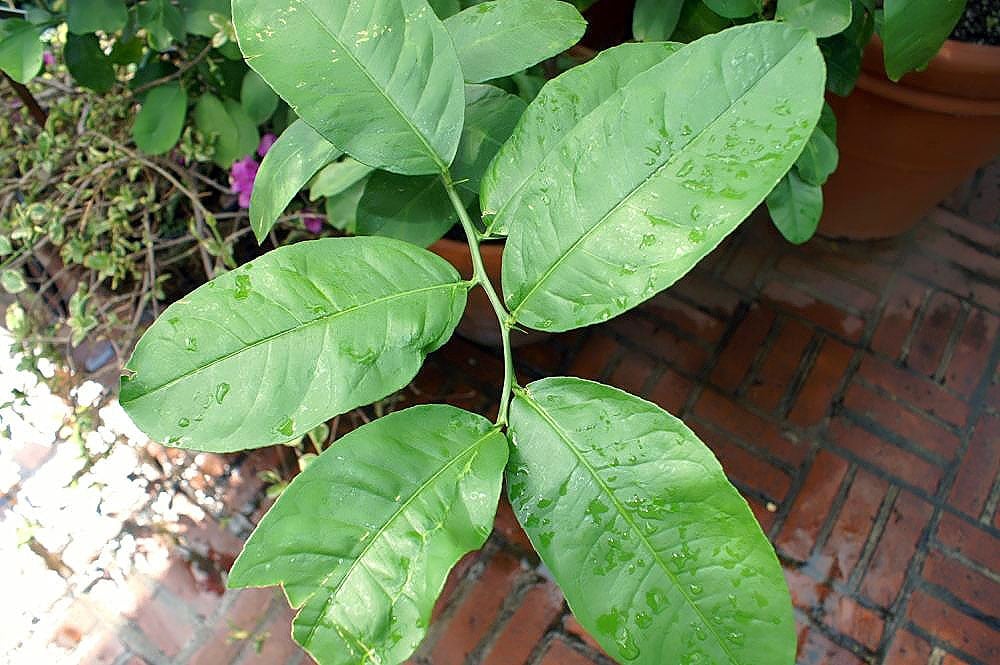
Leaf
Liliane Roubaudi, Tela Botanica · CC BY-SA 2.0
Grapevine
Vitis vinifera L.
Also known as: Common grape vine
Family: Vitaceae
- Climbing liana reaching several metres, generally pruned and trained
- Vineyards, cultivated throughout France; also found at woodland edges and in hedges
- Full sun
- Hardy to about -20°C depending on the grape variety
In flower from May to June
2 months❓ How do you recognise this plant?
The grape vine climbs by means of its tendrils, fine coiling stems located opposite each leaf, which cling to any support within reach.
Learn to recognise it
Citrus, grapes and summer fruit. This plant is in the lesson “Citrus, grapes and summer fruit”, with 11 others.



🍃 Leaves
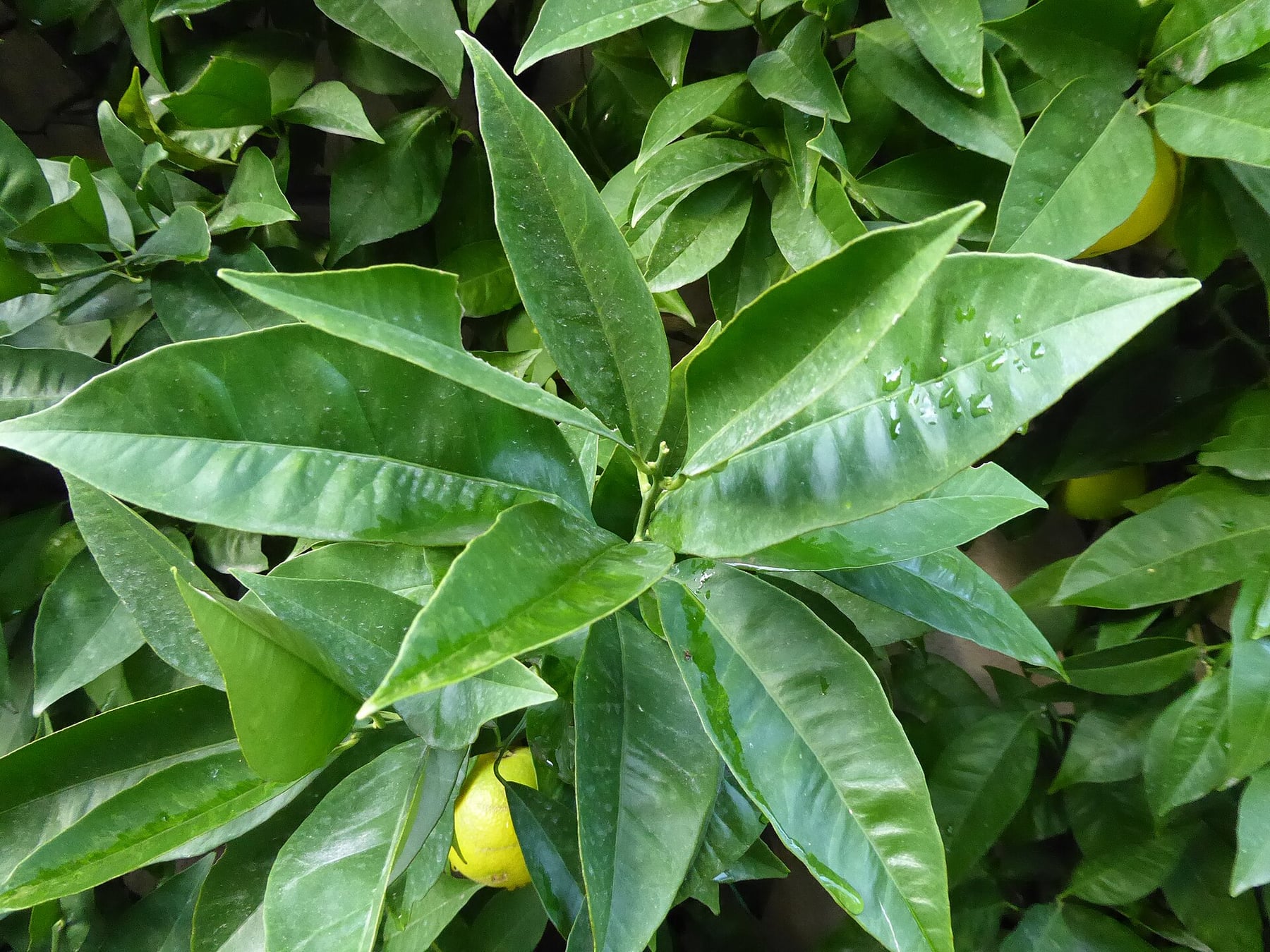
Large, palmate, with 5 toothed lobes, tendrils opposite the leaves
🌸 Flowers
Tiny, greenish, very fragrant, grouped in clusters
🍎 Fruits
Fleshy, sweet berries (grapes), green, black or red depending on the variety, in bunches
🪵 Bark
Peeling off in long fibrous strips on old plants
Distribution, pollinators, uses
🗺️ Distribution
Cultivated throughout France, notably in the major wine-growing regions
🐝 Value for pollinators
Very fragrant flowers rich in nectar, visited by bees
✂️ Horticultural uses
Grown in vineyards for wine or table grapes; also planted over pergolas for shade
⚠️ Possible toxicity
Edible fruit; no known toxicity for humans (grapes are, however, toxic to dogs)
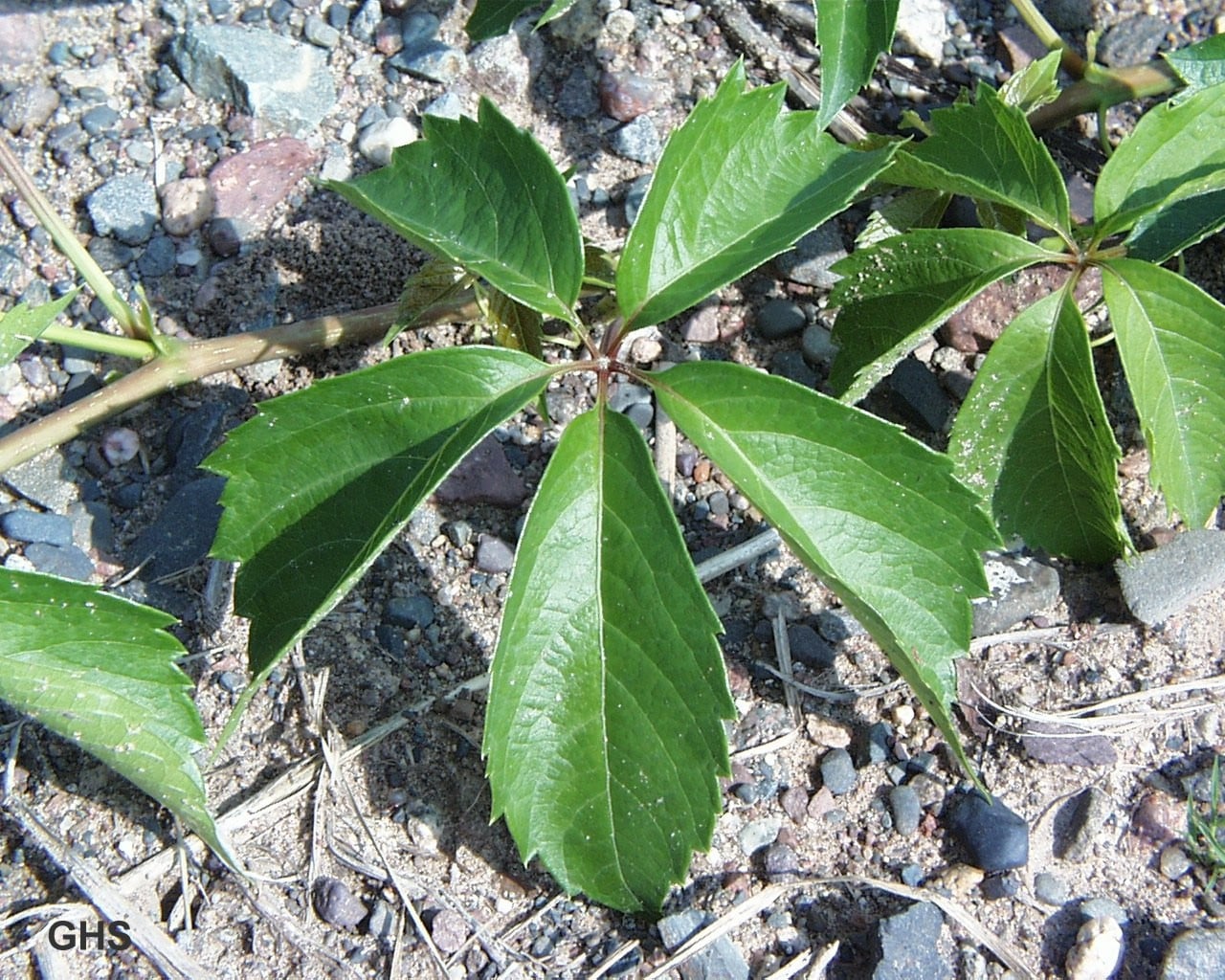
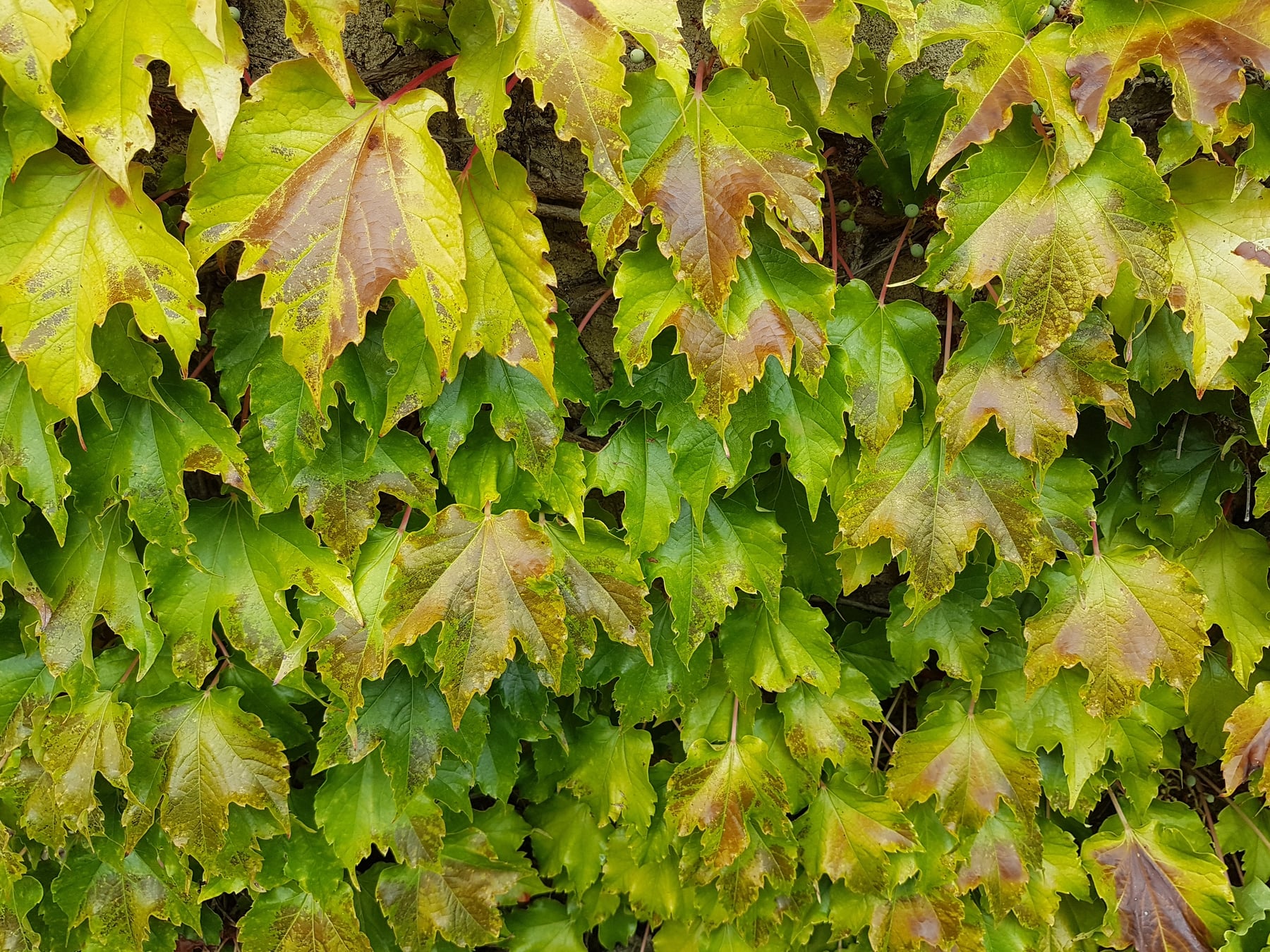
🌿 Other Vitaceae to discover
ℹ️ Educational profile — do not use it to judge whether a plant is edible or safe.
🌱 This database is constantly evolving — species and information are added and corrected regularly. Spotted a mistake? Report it below.
© Floraneo — profile content is protected; reproduction without permission is prohibited. Photos remain under their own licence (see the credit shown on each photo).