Leaf
Axdae · CC BY-SA 4.0
Boston ivy
Parthenocissus tricuspidata (Siebold & Zucc.) Planch.
Also known as: Japanese creeper
Family: Vitaceae
Climber up to 15-20 m
Urban facades, walls, buildings and monuments throughout France, particularly in towns where it covers gable ends and entire facades
Flowering: June - July
Full sun
Part shade
Shade
Hardy, to -25°C
❓ How do you recognise this plant?
It is the plant that gives the facades of American universities their famous cloak of red leaves in autumn, hence its name 'Boston ivy'. Virginia creeper has leaves compound of 5 palmate leaflets and climbs by tendrils with sucker-like pads, whereas Boston ivy has simple leaves with 3 lobes and clings directly to the wall by small adhesive pads.
🍃 Leaves
Deciduous, simple (not compound, unlike Virginia creeper), with 3 pointed lobes or sometimes entire, bronze at bud break, glossy green in summer, brilliant scarlet red in autumn
🌸 Flowers
Small, greenish, barely visible, grouped in cymes
🍎 Fruits
Small blue-black berries with a waxy bloom
🪵 Bark
Woody stem with tendrils bearing powerful adhesive pads that cling directly to stone or concrete
🗺️ Distribution
Native to East Asia (China, Japan, Korea), very widely planted in France in urban settings
🐝 Value for pollinators
Inconspicuous nectar-bearing flowers visited by insects; winter berries eaten by birds
✂️ Horticultural uses
Self-clinging climber of choice for quickly covering large urban facades, known as 'Boston ivy' for clothing the walls of American campuses
⚠️ Possible toxicity
Berries slightly toxic if ingested
⚠️ Look-alike species
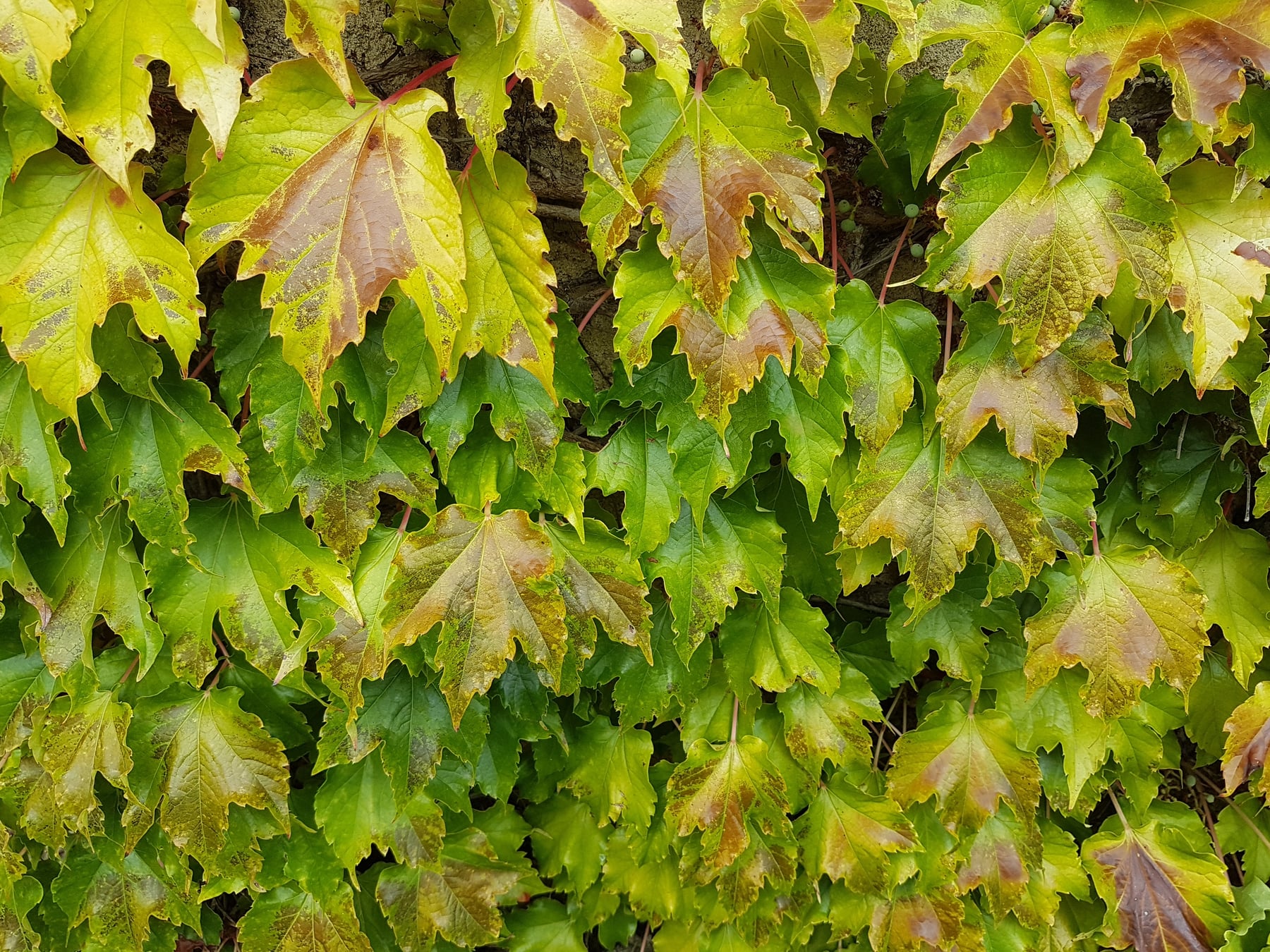
Boston ivy
Parthenocissus tricuspidata
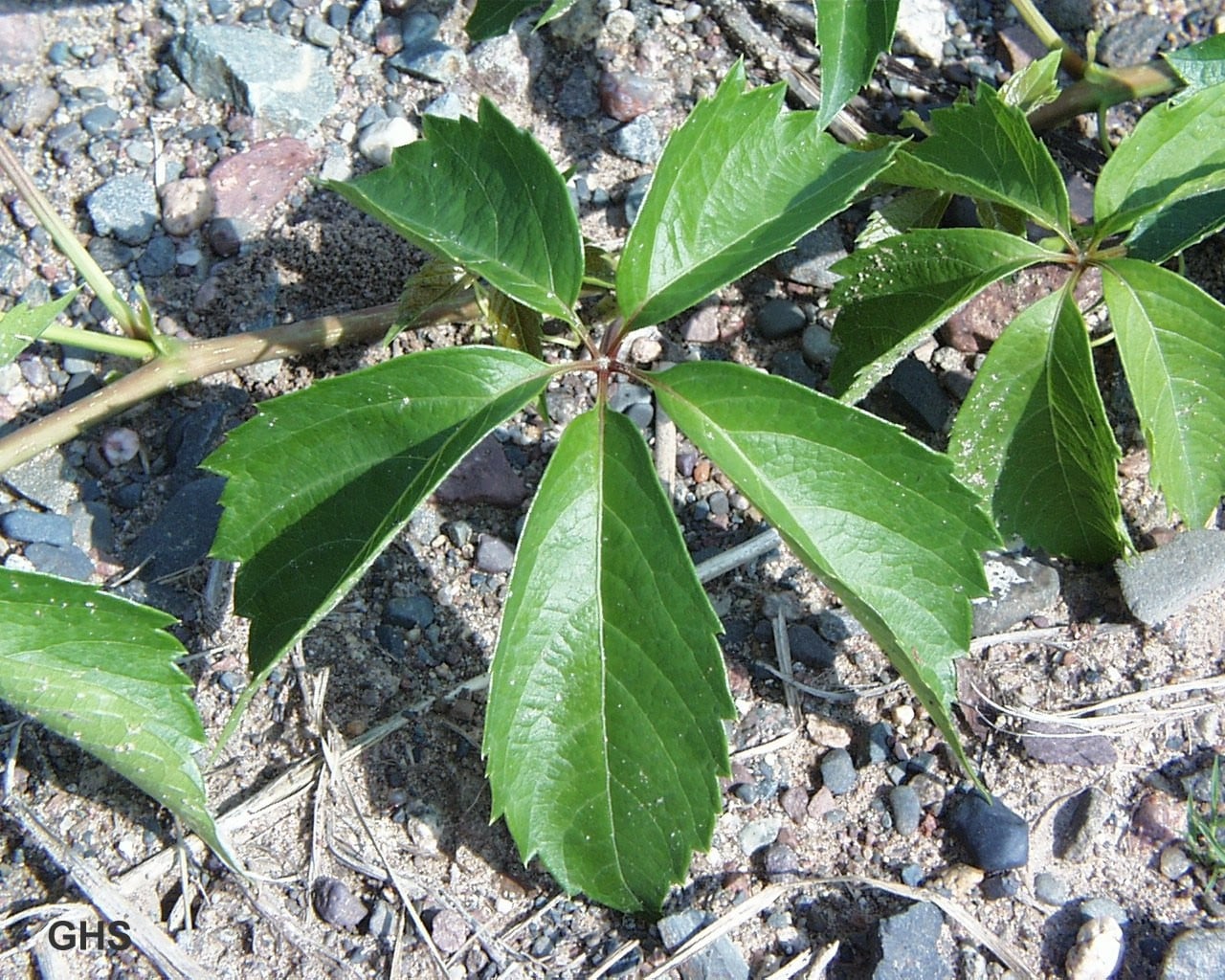
Virginia creeper
Parthenocissus quinquefolia
Virginia creeper has leaves compound of 5 palmate leaflets and climbs by tendrils with sucker-like pads, whereas Boston ivy has simple leaves with 3 lobes and clings directly to the wall by small adhesive pads.
🌿 Other Vitaceae to discover

ℹ️ Educational profile — do not use it to judge whether a plant is edible or safe.
🌱 This database is constantly evolving — species and information are added and corrected regularly. Spotted a mistake? Report it below.
© Floraneo — profile content is protected; reproduction without permission is prohibited. Photos remain under their own licence (see the credit shown on each photo).