Leaf
Alain Bigou, Tela Botanica · CC BY-SA 2.0
Globeflower
Trollius europaeus L.
Also known as: Common globeflower
Family: Ranunculaceae
30 to 60 cm tall
Damp mountain meadows, cool gardens, rich soils
Flowering: May – July
Full sun
Part shade
Hardy to -30°C
❓ How do you recognise this plant?
Its yellow flowers almost never open fully, staying ball-shaped, hence its nickname.
🍃 Leaves
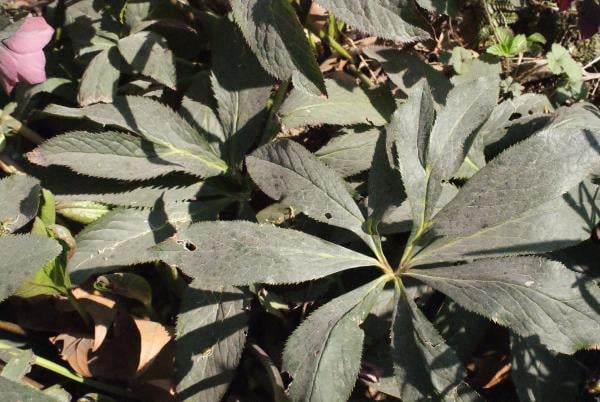
Deeply cut into toothed lobes, bright green
🌸 Flowers
Large globular golden-yellow flowers, petals curved in into a ball
🍎 Fruits
Follicles grouped in a head
🪵 Bark
Basal tuft, upright stems
🗺️ Distribution
Europe, mainly mountains; rare and localised in damp mountain meadows in France (Alps, Jura, Vosges).
🐝 Value for pollinators
Large bright yellow globular flowers, pollinated notably by small specialised flies that lay their eggs inside the flower.
✂️ Horticultural uses
Damp borders, pond edges, mountain gardens; spring flowering in very decorative yellow globes.
⚠️ Possible toxicity
Toxic when fresh (protoanemonin, like members of the buttercup family), irritant to the skin and the lining of the digestive tract.
🌿 Other Ranunculaceae to discover


ℹ️ Educational profile — do not use it to judge whether a plant is edible or safe.
🌱 This database is constantly evolving — species and information are added and corrected regularly. Spotted a mistake? Report it below.
© Floraneo — profile content is protected; reproduction without permission is prohibited. Photos remain under their own licence (see the credit shown on each photo).