Leaf
Salicyna, Wikimedia · CC BY-SA 4.0
- 8 to 15 m when clinging to a wall or tree
- Gardens throughout France, planted against a wall or tree trunk, including in shade where few other climbers flower
- Part shade, Shade
- Very hardy, to -25°C
In flower from June to July
2 months❓ How do you recognise this plant?
It is one of the only climbers to cling on by itself with aerial roots like ivy, while producing true hydrangea flowers.
Learn to recognise it
Pergola and façade climbers. This plant is in the lesson “Pergola and façade climbers”, with 4 others.
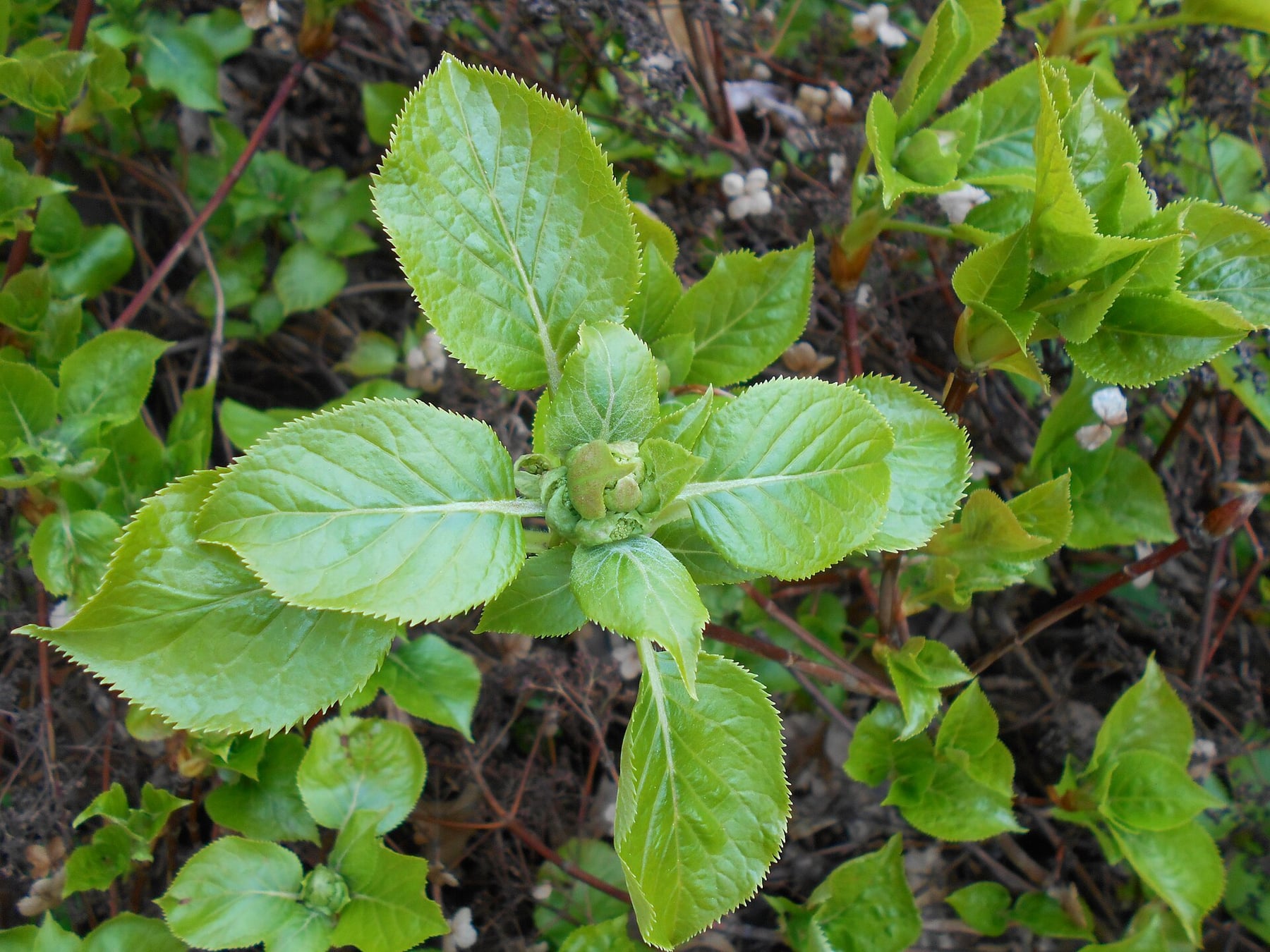
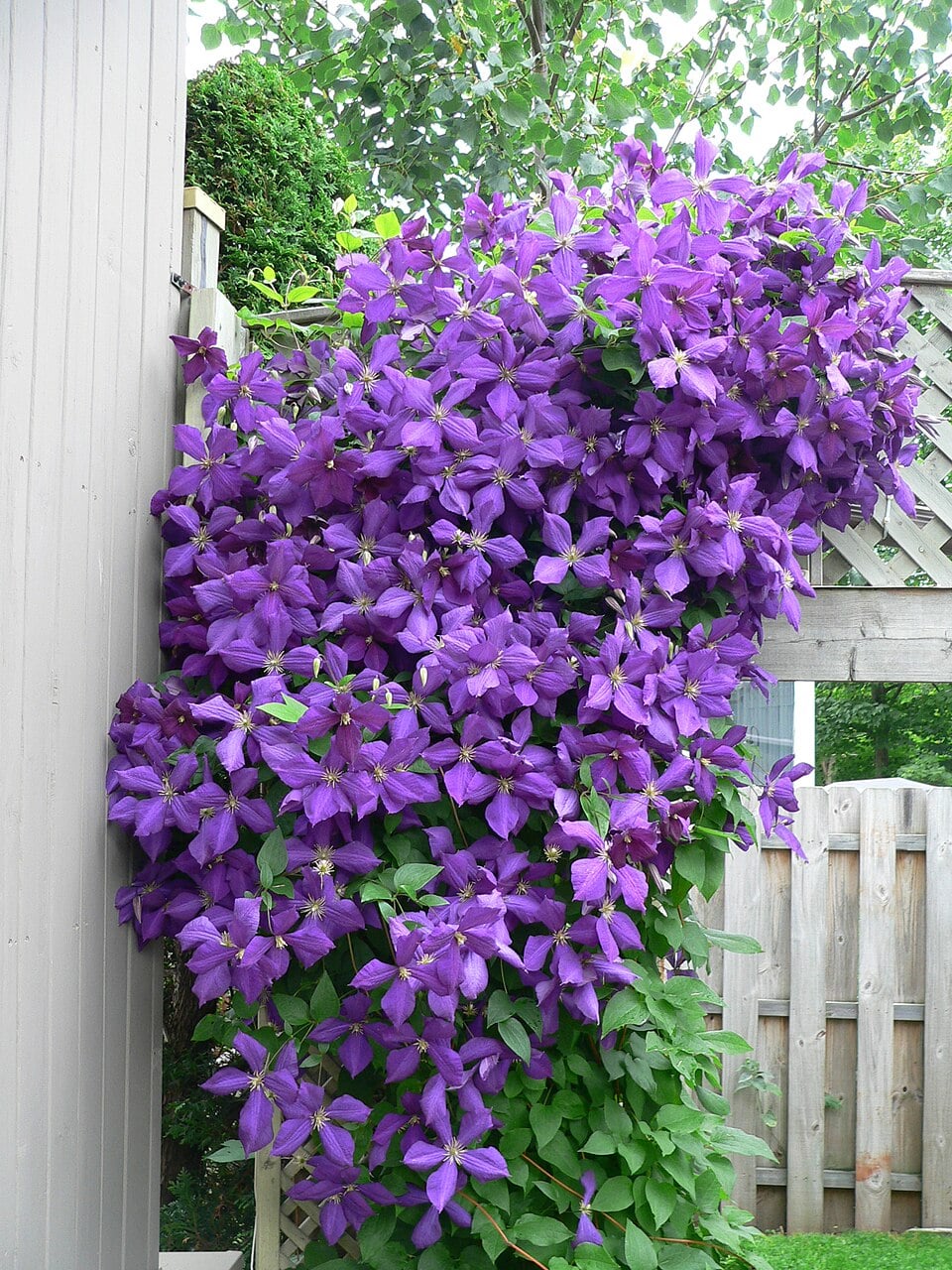
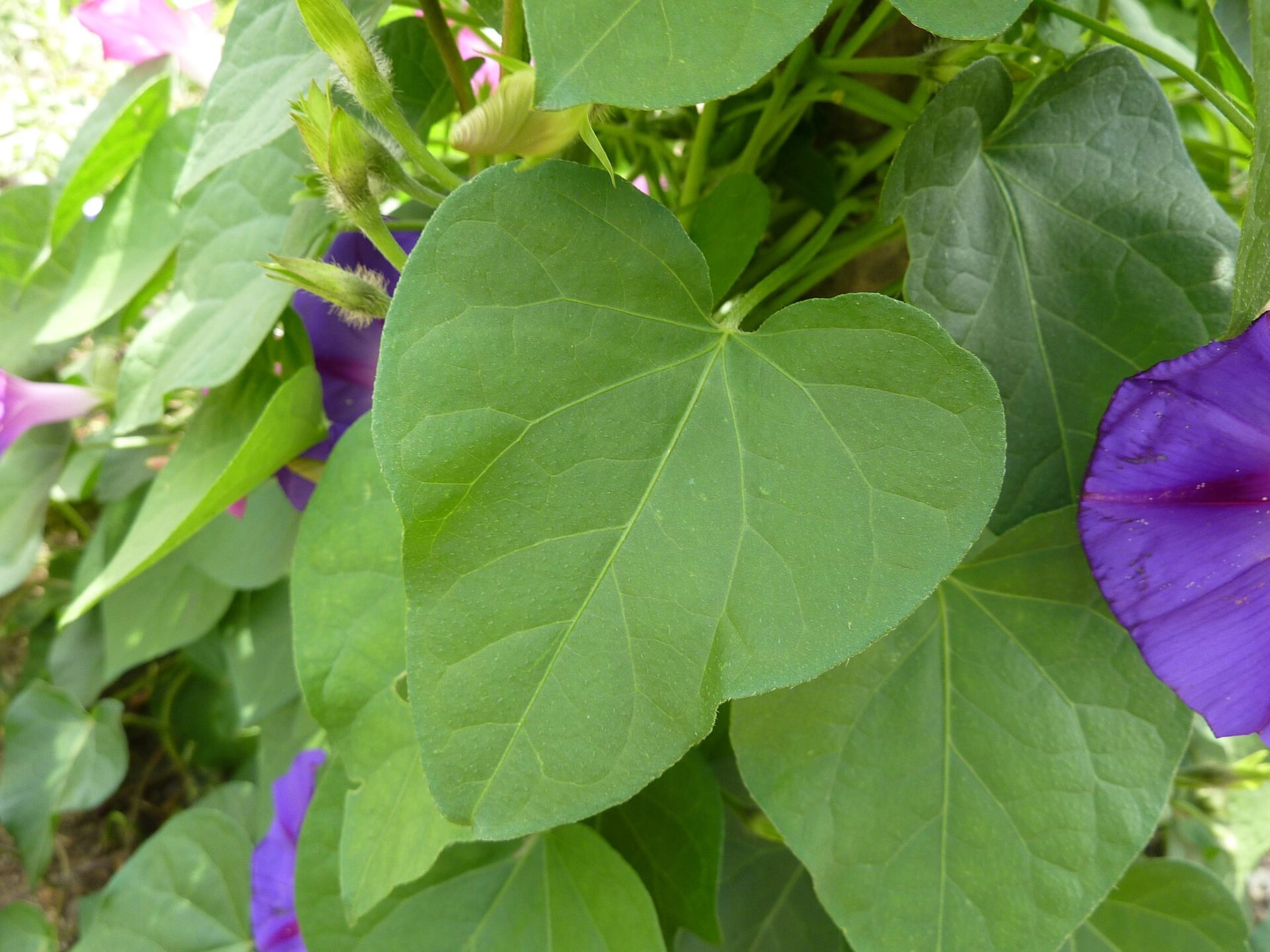
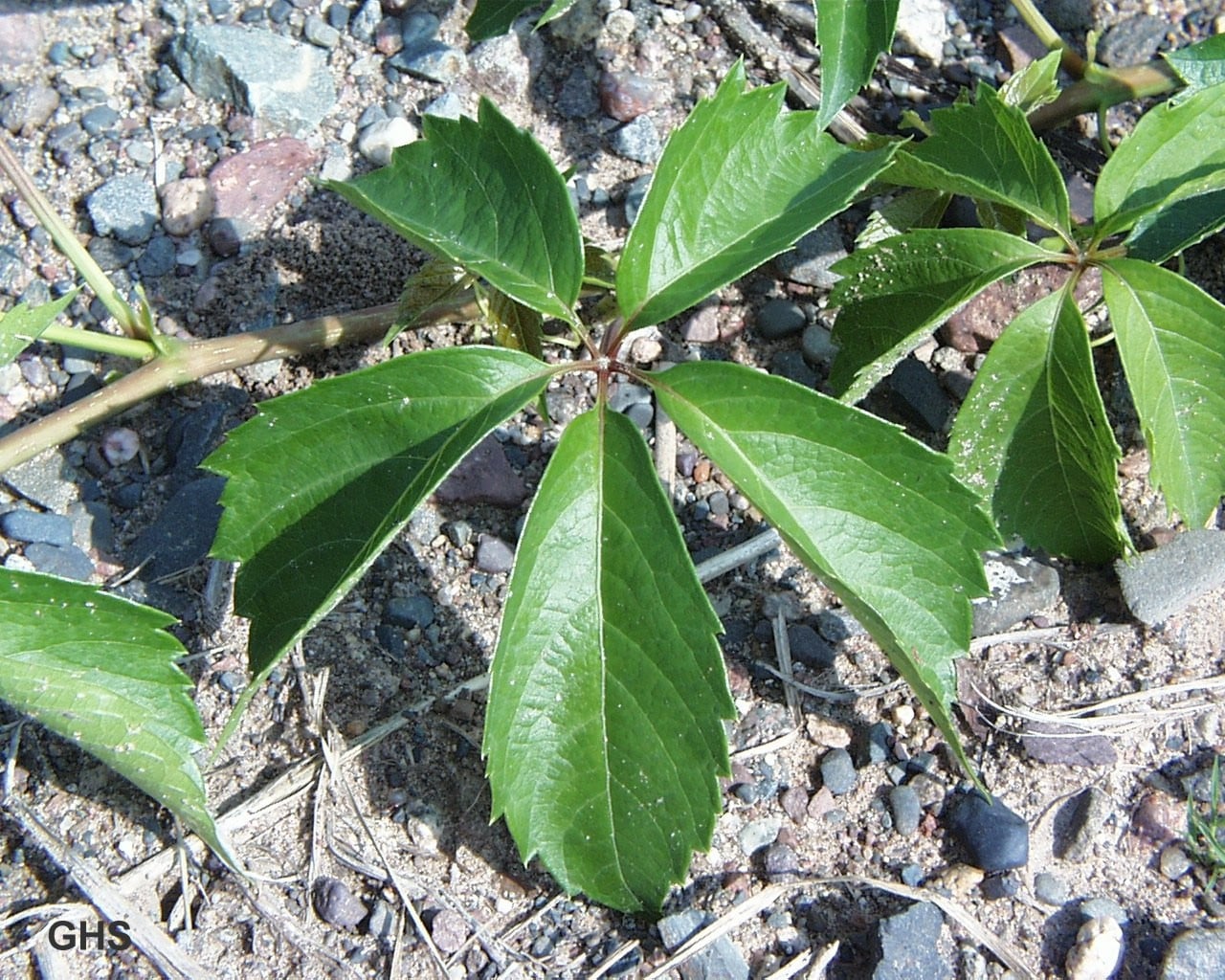
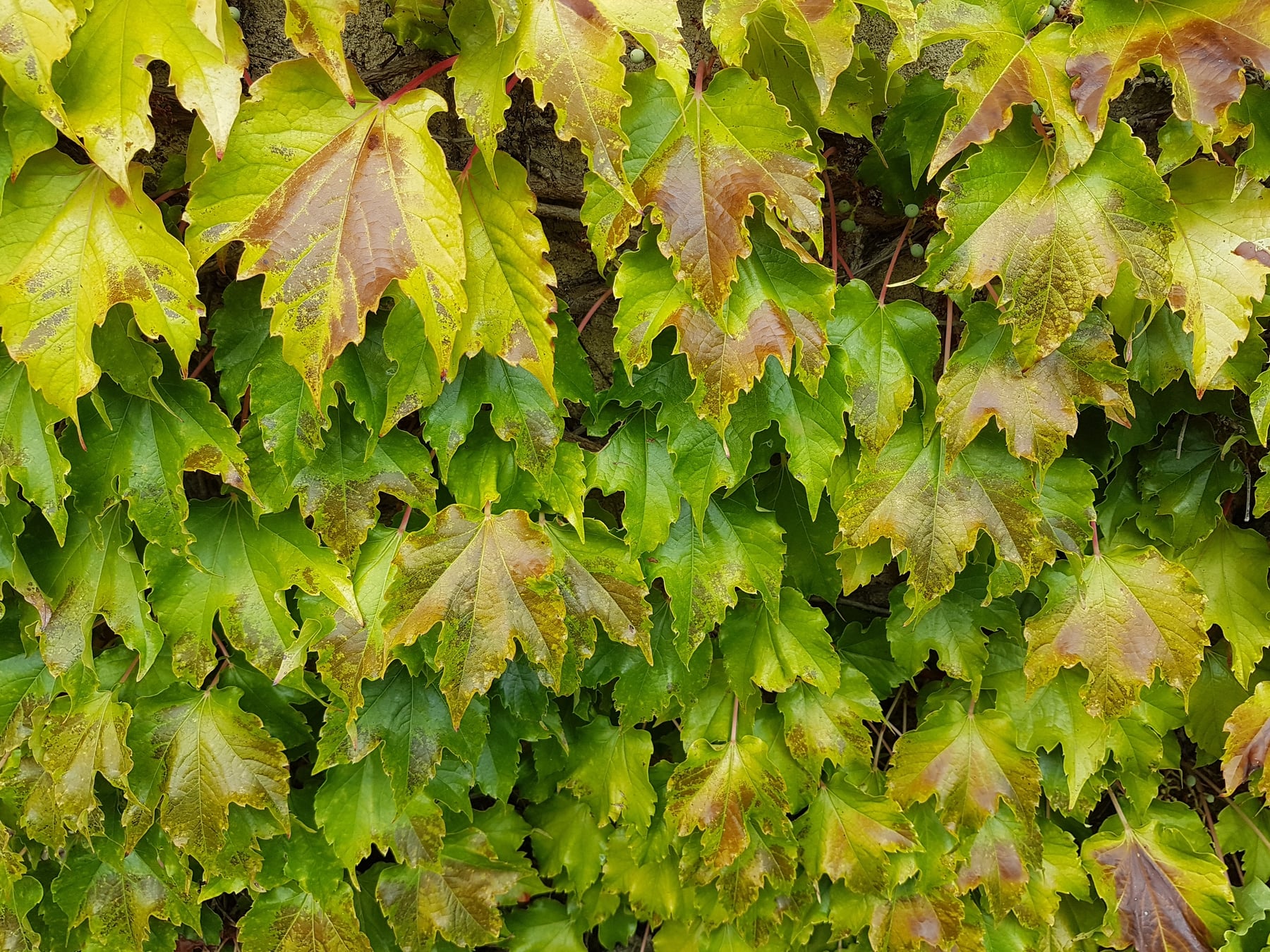
🍃 Leaves
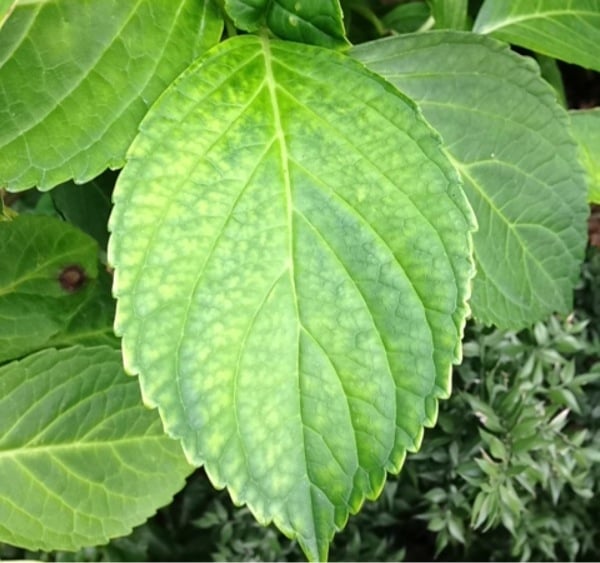
Deciduous, broad, oval, toothed, bright glossy green
🌸 Flowers
Flat white corymbs, edged with large decorative sterile flowers surrounding small fertile central flowers, like bed hydrangeas
🍎 Fruits
Small brown capsules, barely visible
🪵 Bark
Reddish-brown stems clinging directly to the support by numerous aerial roots, no staking needed
Distribution, pollinators, uses
🗺️ Distribution
Native to Japan, widely planted in gardens throughout France
🐝 Value for pollinators
Nectar-bearing fertile flowers visited by many insects in summer
✂️ Horticultural uses
One of the few climbers to flower well in shade or partial shade, planted at the foot of a north-facing wall or to clothe an old tree trunk
⚠️ Possible toxicity
All parts mildly toxic if eaten (cyanogenic compounds), like other hydrangeas, causing digestive upset.
🌿 Other Hydrangeaceae to discover


ℹ️ Educational profile — do not use it to judge whether a plant is edible or safe.
🌱 This database is constantly evolving — species and information are added and corrected regularly. Spotted a mistake? Report it below.
© Floraneo — profile content is protected; reproduction without permission is prohibited. Photos remain under their own licence (see the credit shown on each photo).