Leaf
Alain Bigou, Tela Botanica · CC BY-SA 2.0
Panicle hydrangea
Hydrangea paniculata Siebold
Also known as: Panicled hydrangea
Family: Hydrangeaceae
2 to 4 m tall
Planted in garden borders and hedges, moist soils
Flowering: July – September
Full sun
Part shade
Hardy to about -25°C
❓ How do you recognise this plant?
Unlike the bigleaf hydrangea, whose colour depends on soil pH, the flowers of the panicled hydrangea stay white and then naturally turn pink with age, regardless of the soil. The bigleaf hydrangea has flowers grouped in round balls whose colour depends on soil pH; the panicled hydrangea has flowers in large conical panicles, always white then turning pink.
🍃 Leaves
Opposite, ovate, toothed, deciduous
🌸 Flowers
White turning pink with time, held in large upright conical panicles
🍎 Fruits
Small dry capsule
🪵 Bark
Brown twigs, bark peeling slightly with age
🗺️ Distribution
Native to East Asia; widely grown in France as an ornamental shrub
🐝 Value for pollinators
The small fertile central flowers attract a few insects; the large outer flowers are sterile
✂️ Horticultural uses
Border shrub valued for its late summer flowering in large panicles
⚠️ Possible toxicity
All parts slightly toxic if ingested (cyanogenic compounds), as in other hydrangeas, causing digestive upset.
🌱 Known cultivars
Limelight
Large conical lime-green panicles that turn creamy white then raspberry pink in late summer; very free-flowering and hardy, it is one of the best-selling panicled hydrangeas in nurseries.
Grandiflora (PeeGee)
Also called 'PeeGee', this historic cultivar bears huge conical panicles that can exceed 30 cm, creamy white turning pink; it is the variety that started the fashion for panicled hydrangeas back in the 19th century.
⚠️ Look-alike species
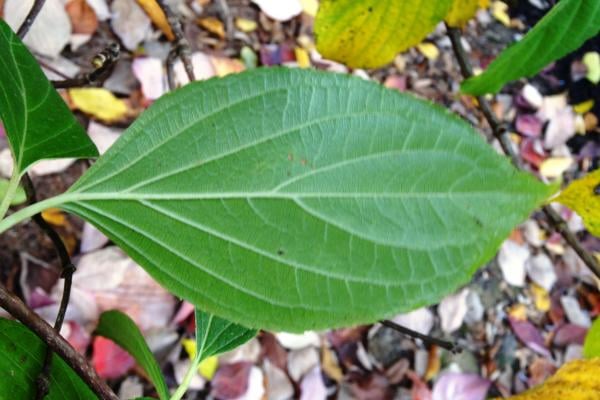
Panicle hydrangea
Hydrangea paniculata
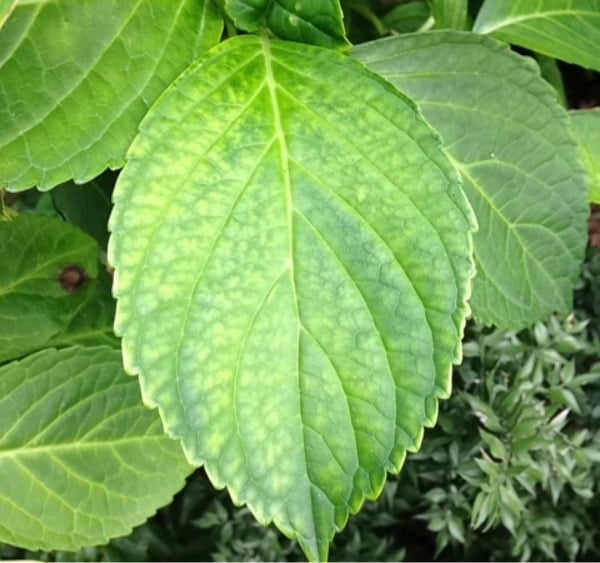
Bigleaf hydrangea
Hydrangea macrophylla
The bigleaf hydrangea has flowers grouped in round balls whose colour depends on soil pH; the panicled hydrangea has flowers in large conical panicles, always white then turning pink.
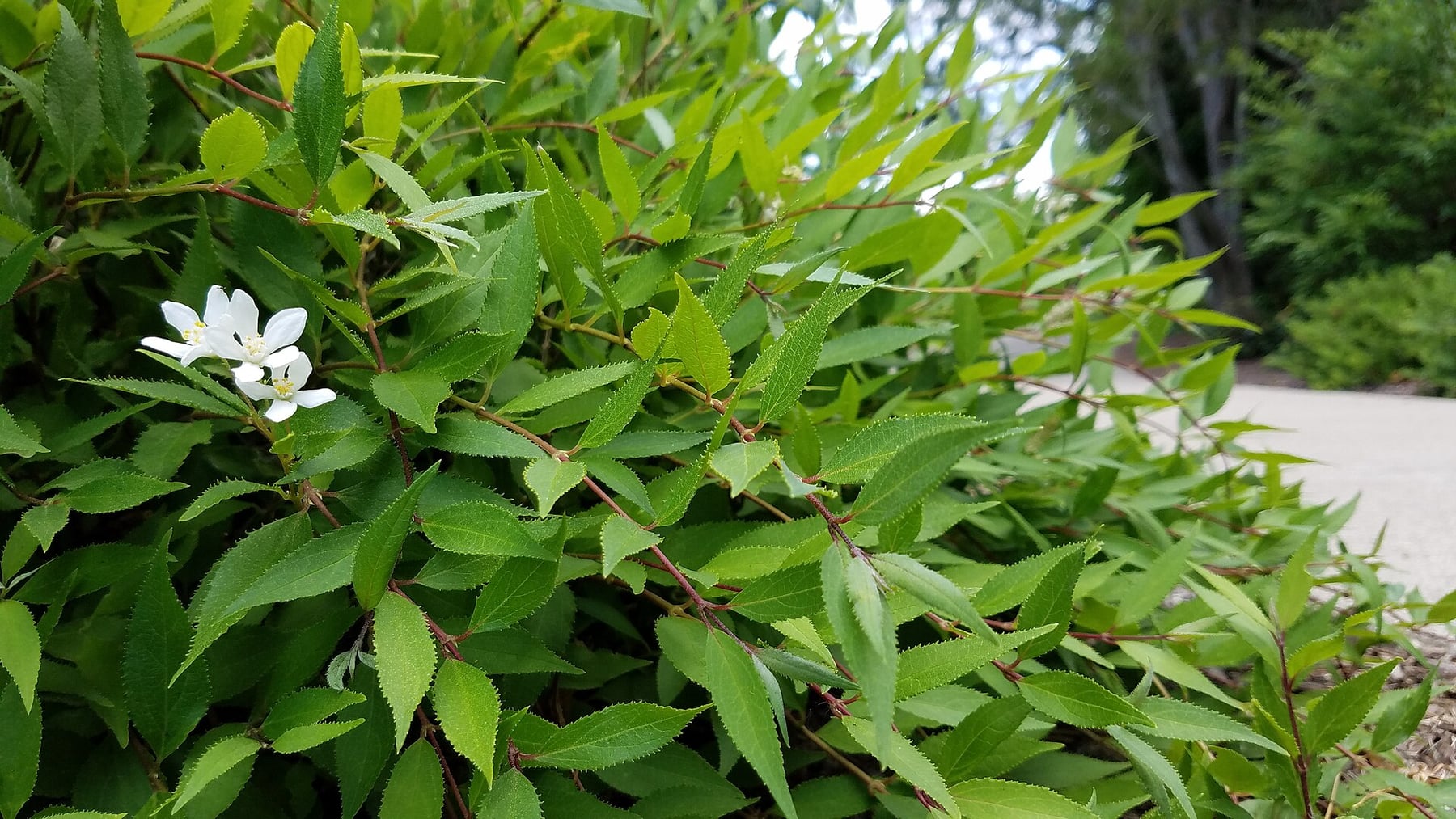
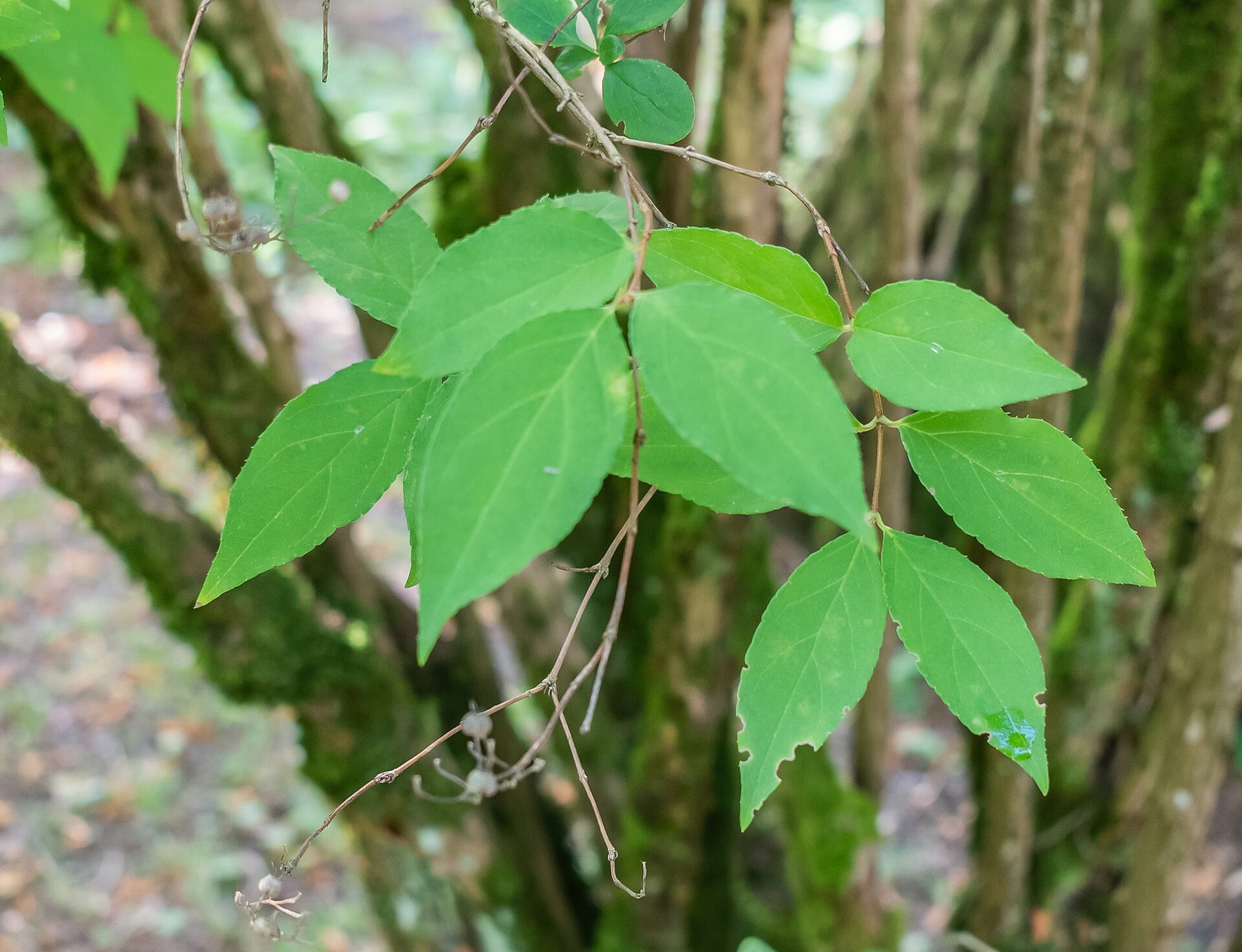
🌿 Other Hydrangeaceae to discover

ℹ️ Educational profile — do not use it to judge whether a plant is edible or safe.
🌱 This database is constantly evolving — species and information are added and corrected regularly. Spotted a mistake? Report it below.
© Floraneo — profile content is protected; reproduction without permission is prohibited. Photos remain under their own licence (see the credit shown on each photo).