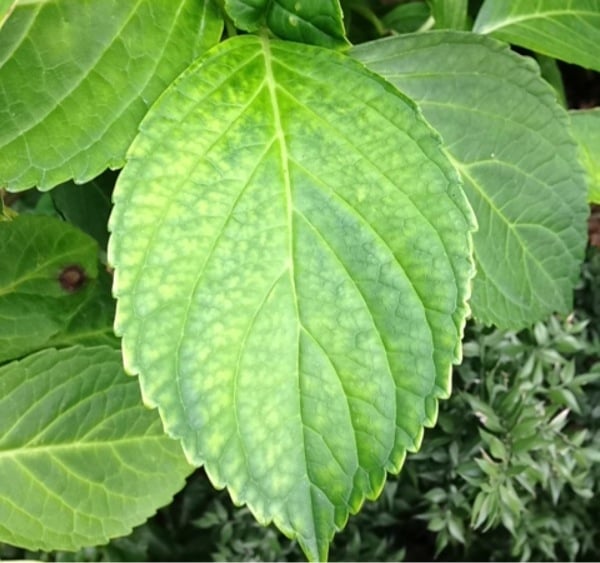
Leaf
Hervé Goëau, Tela Botanica · CC BY-SA 2.0
Bigleaf hydrangea
Hydrangea macrophylla
Also known as: Mophead hydrangea, French hydrangea
Family: Hydrangeaceae
- 1 to 2 m tall
- Gardens, beds, containers, moist, free-draining soils
- Part shade, Shade
- Hardy to -15°C
In flower from June to September
4 months❓ How do you recognise this plant?
The colour of its flowers varies with soil acidity: blue in acid soil, pink in chalky soil. The bigleaf hydrangea has flowers gathered in round heads whose colour depends on soil pH; the panicled hydrangea has flowers in large conical panicles, always white then turning pinkish.
Learn to recognise it
The shrubs everyone knows. This plant is in the lesson “The shrubs everyone knows”, with 11 others.
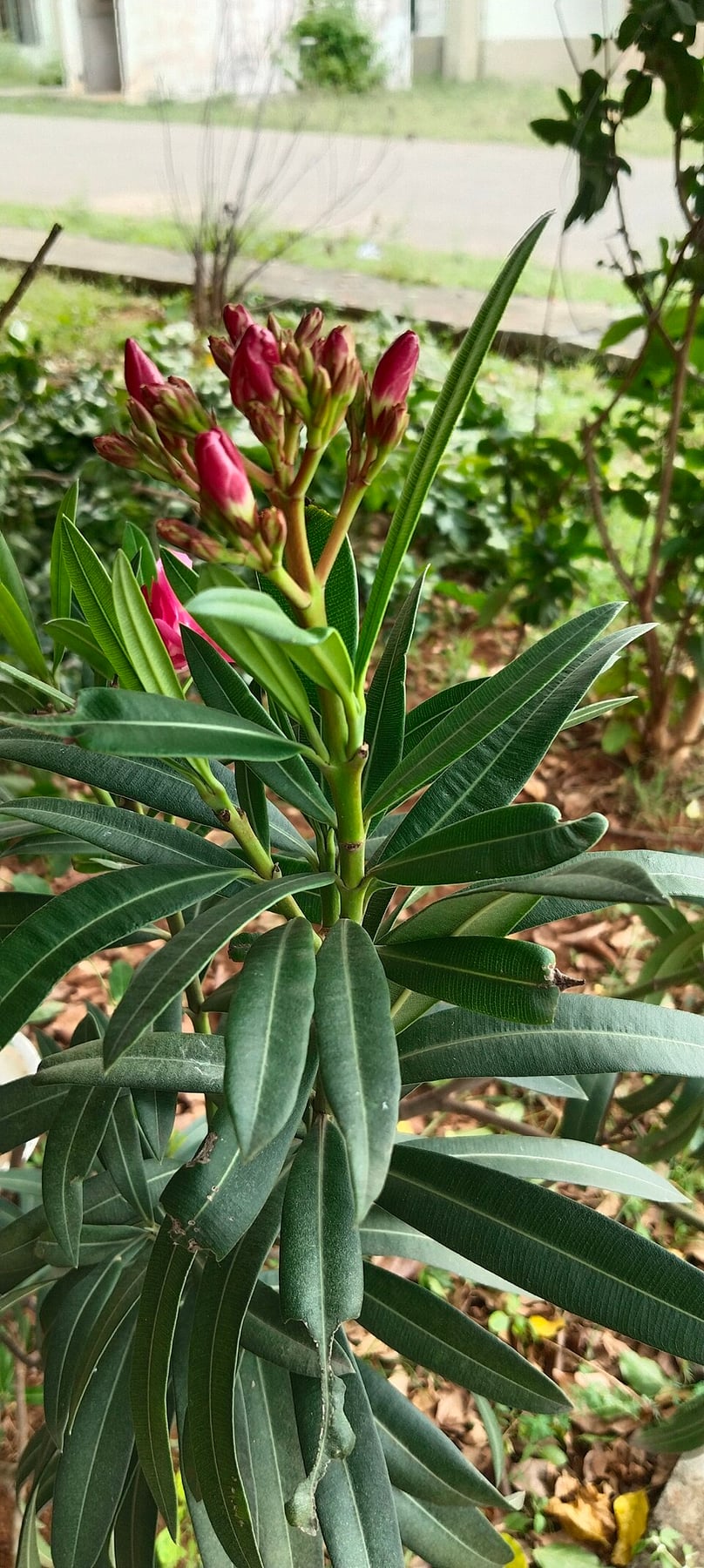
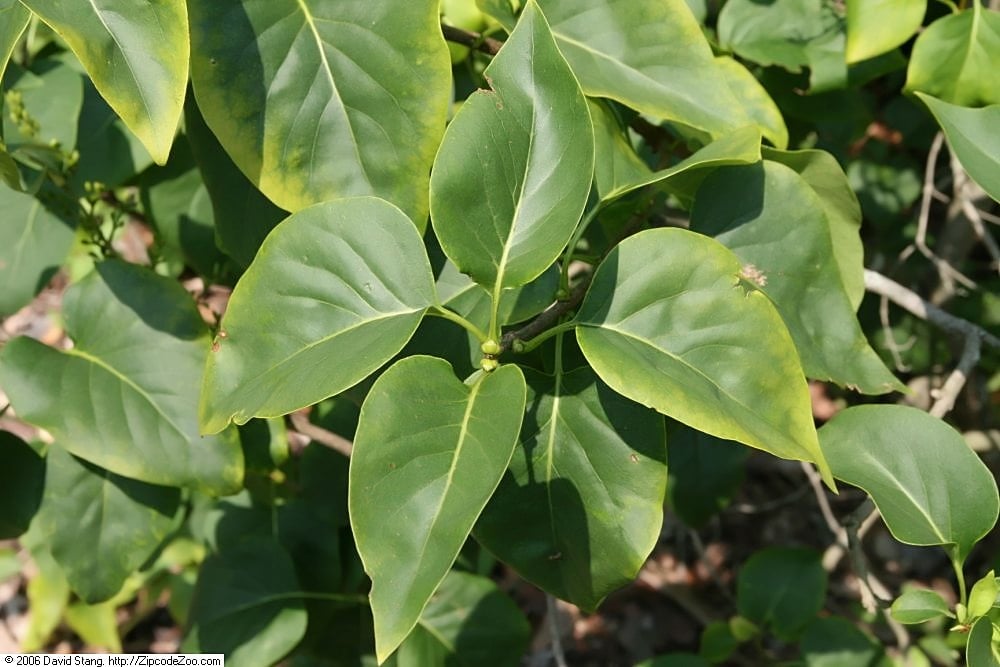
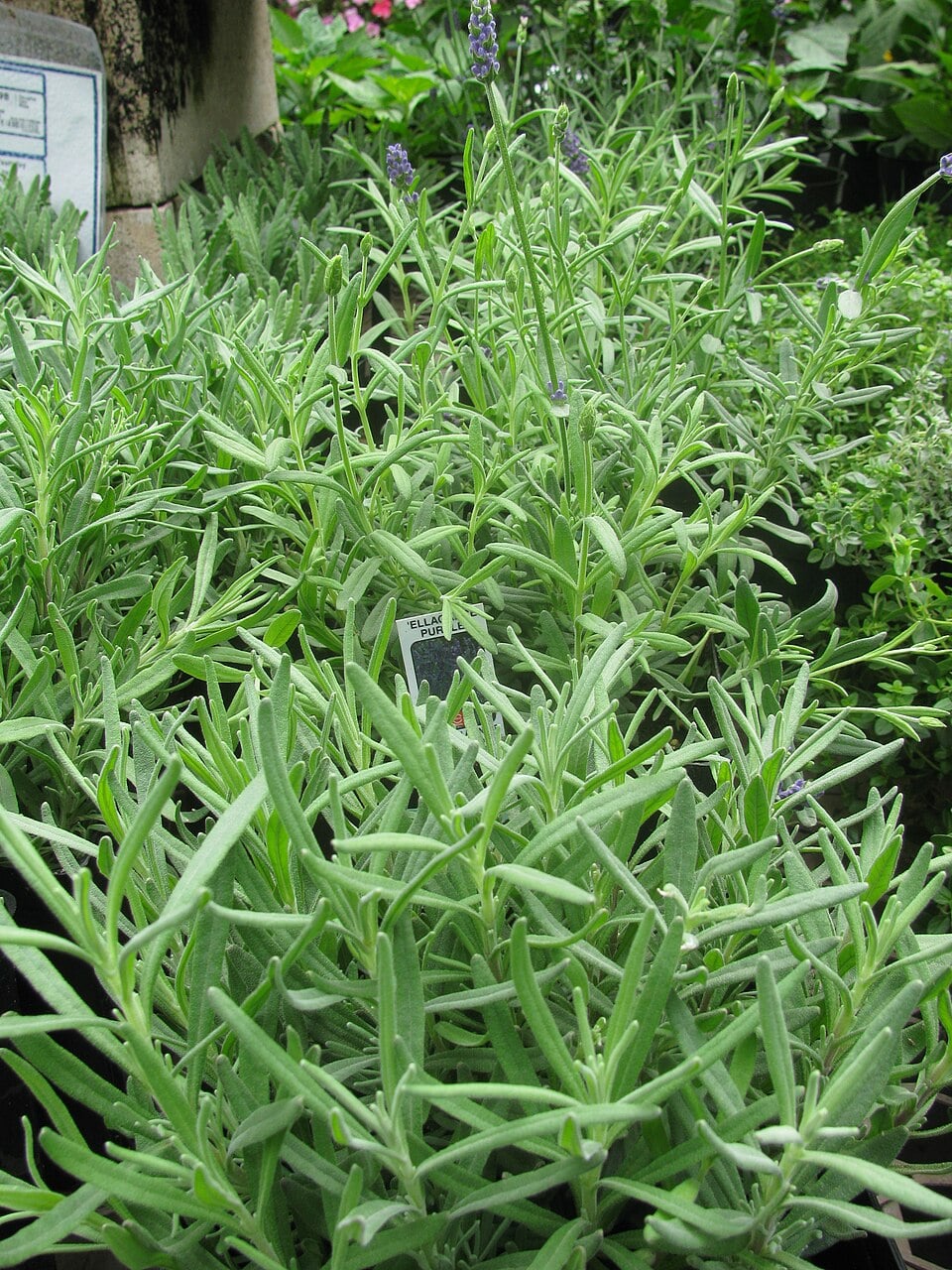
A free account is enough for this lesson.
🍃 Leaves
Broad, oval, toothed, glossy green, opposite
🌸 Flowers
Large rounded flower heads, white, pink, blue or mauve depending on soil pH
🍎 Fruits
Small dry capsules, barely visible, hidden under the dried flowers
🪵 Bark
Woody grey-brown stems, rather brittle
Distribution, pollinators, uses
🗺️ Distribution
Japan; widely grown in France as an ornamental, particularly in the West (Brittany), not wild.
🐝 Value for pollinators
Decorative sterile flowers produce little nectar in most cultivars, but the fertile central flowers attract a few bees.
✂️ Horticultural uses
Planted in beds or pots, emblematic of Breton gardens; flower colour varies with soil pH.
⚠️ Possible toxicity
All parts mildly toxic if eaten (cyanogenic compounds), causing digestive upset.
🌱 Known cultivars
Endless Summer
The first truly reblooming macrophylla hydrangea: it also flowers on the current year's wood, so even after a harsh winter that destroys last year's buds, it produces blue or pink flowers (depending on soil acidity) right through to autumn.
Nikko Blue
The classic blue hydrangea par excellence, with large round flower heads up to 12 cm; it flowers only on the previous year's wood, so a late frost can wipe out flowering.
⚠️ Look-alike species
Bigleaf hydrangea
Hydrangea macrophylla

Panicle hydrangea
Hydrangea paniculata
The bigleaf hydrangea has flowers gathered in round heads whose colour depends on soil pH; the panicled hydrangea has flowers in large conical panicles, always white then turning pinkish.
🌿 Other Hydrangeaceae to discover


ℹ️ Educational profile — do not use it to judge whether a plant is edible or safe.
🌱 This database is constantly evolving — species and information are added and corrected regularly. Spotted a mistake? Report it below.
© Floraneo — profile content is protected; reproduction without permission is prohibited. Photos remain under their own licence (see the credit shown on each photo).