Leaf
Pancrat · CC BY-SA 3.0
Chinese peony
Paeonia lactiflora Pall.
Also known as: Garden peony, Common garden peony
Family: Paeoniaceae
60 cm to 1 m tall
Planted in borders, rich, deep, free-draining soils
Flowering: May – June
Full sun
Part shade
Very hardy, to about -30°C
❓ How do you recognise this plant?
The flower buds of the Chinese peony are naturally coated in a sweet nectar that attracts ants — an opportunistic association with no real link to the opening of the flower, contrary to a persistent popular belief. The wild common peony has single, pink to red flowers and narrower leaflets; the cultivated Chinese peony most often has large, very full double flowers.
🍃 Leaves
Large, compound, divided, bright green, sometimes taking on reddish tints in autumn
🌸 Flowers
Very large, single to fully double depending on variety, white, pink or red, often fragrant
🍎 Fruits
Clustered follicles, splitting open to reveal glossy black seeds
🪵 Bark
Herbaceous perennial clump formed of fleshy tuberous roots
🗺️ Distribution
Native to China and Siberia; widely grown in France as a border perennial
🐝 Value for pollinators
Large nectar-rich flowers, very attractive to bees and to ants that feed on the nectar of the buds
✂️ Horticultural uses
Emblematic border perennial, planted for its huge fragrant late-spring flowers, can live for several decades without division
⚠️ Possible toxicity
No notable toxicity known to humans in ornamental use; mildly toxic to dogs, cats and horses if ingested (paeonol), like other peonies.
🌱 Known cultivars
'Sarah Bernhardt'
This variety produces very double, voluminous flowers with ruffled pink petals, quite different from the single flowers with a single row of petals of the wild species.
⚠️ Look-alike species
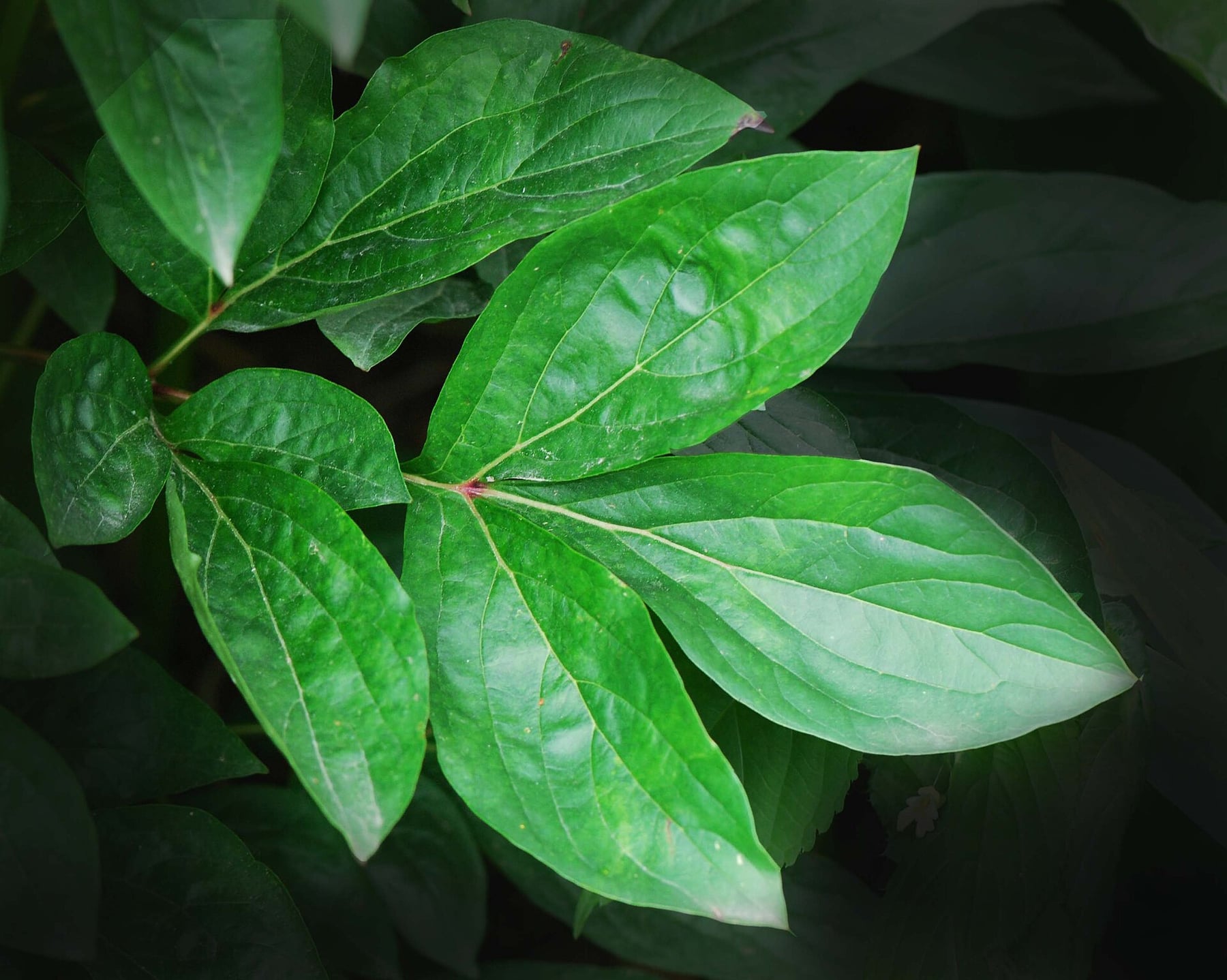
Chinese peony
Paeonia lactiflora
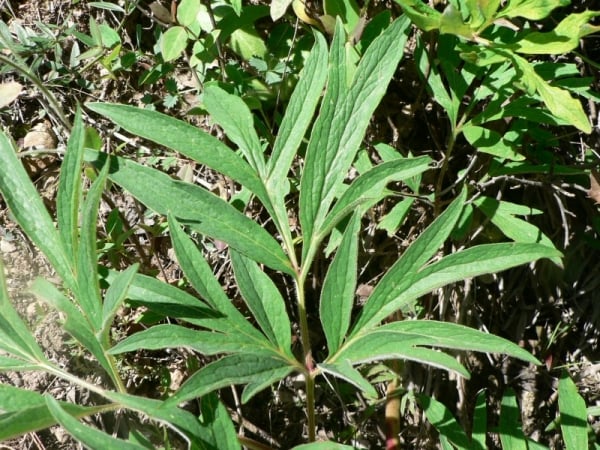
Common peony
Paeonia officinalis
The wild common peony has single, pink to red flowers and narrower leaflets; the cultivated Chinese peony most often has large, very full double flowers.
🌿 Other Paeoniaceae to discover

ℹ️ Educational profile — do not use it to judge whether a plant is edible or safe.
🌱 This database is constantly evolving — species and information are added and corrected regularly. Spotted a mistake? Report it below.
© Floraneo — profile content is protected; reproduction without permission is prohibited. Photos remain under their own licence (see the credit shown on each photo).