Chinese peony or Common peony: how to tell them apart?
Chinese peony and Common peony look alike and are often mixed up. Here is how to tell them apart, feature by feature, with their photos and the details to look for.
⚡ The quick answer
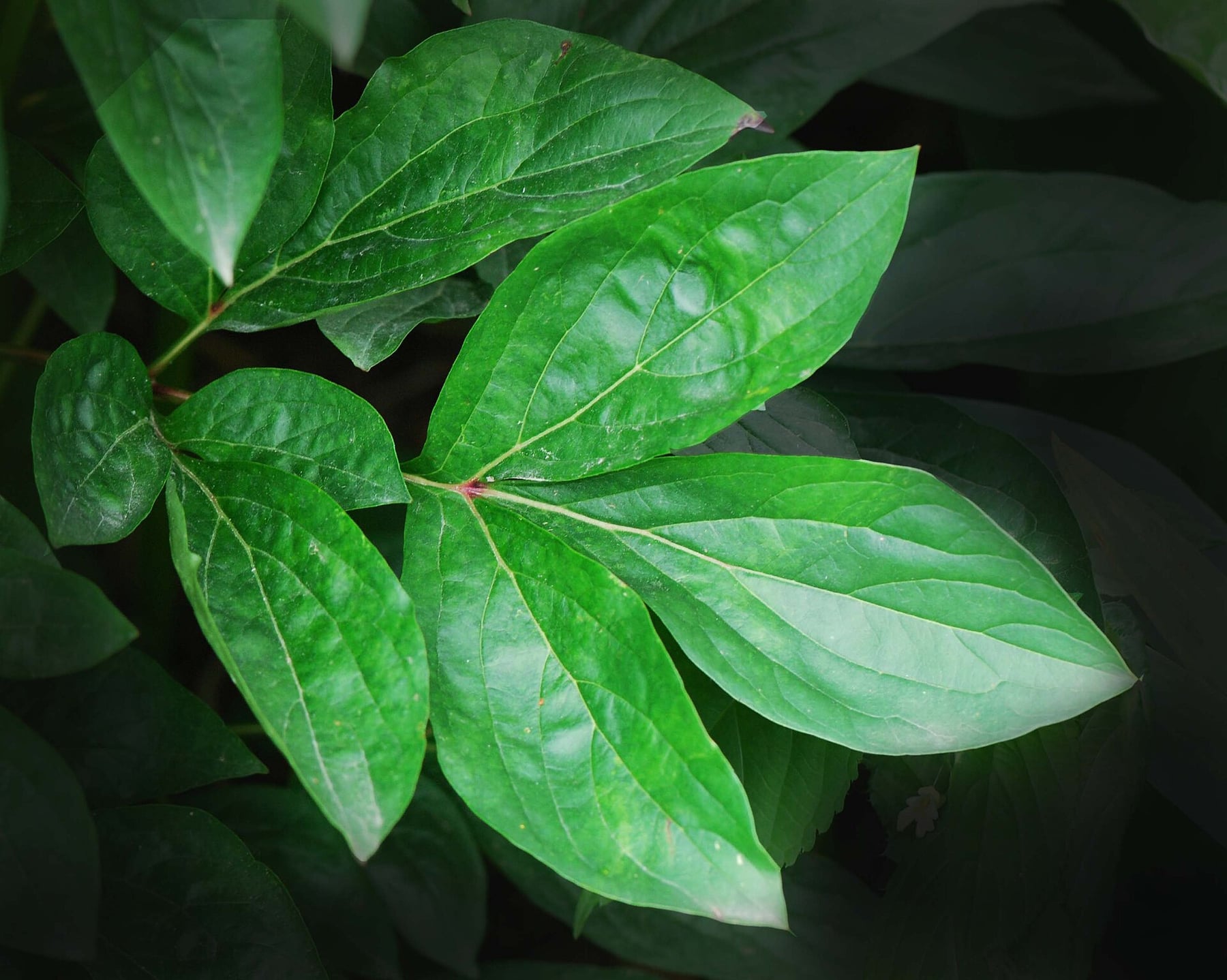
Chinese peony
Paeonia lactiflora
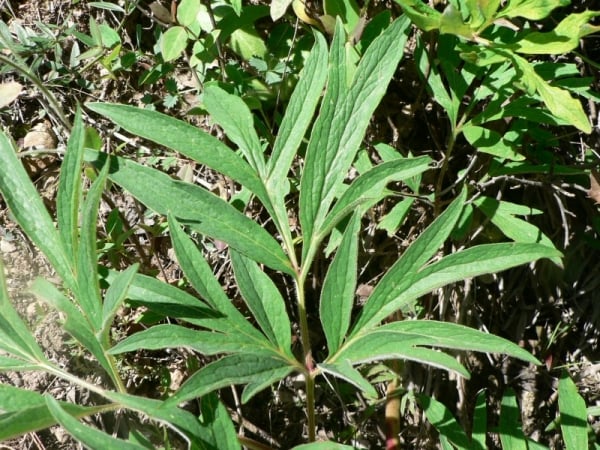
Common peony
Paeonia officinalis
The wild common peony has single, pink to red flowers and narrower leaflets; the cultivated Chinese peony most often has large, very full double flowers.
🍃 Leaves
Large, compound, divided, bright green, sometimes taking on reddish tints in autumn
Large, deeply cut, bright green
🌸 Flowers
Very large, single to fully double depending on variety, white, pink or red, often fragrant
Very large crimson-red flowers, single or double, with many golden stamens
🍎 Fruits
Clustered follicles, splitting open to reveal glossy black seeds
Velvety follicles splitting open on glossy black seeds
🪵 Bark
Herbaceous perennial clump formed of fleshy tuberous roots
Upright herbaceous stem, dying back in winter
📏 Size
60 cm to 1 m tall
50 to 80 cm tall
🗺️ Habitat
Planted in borders, rich, deep, free-draining soils
Gardens, borders, rich, free-draining soils
⚠️ Toxicity
No notable toxicity known to humans in ornamental use; mildly toxic to dogs, cats and horses if ingested (paeonol), like other peonies.
Mildly toxic if ingested (seeds and root), may cause digestive upset.
🔎 And from the Common peony side
The wild common peony has single, pink to red flowers and narrower leaflets; the cultivated Chinese peony most often has large, very full double flowers.
🌿 Go further
Want to practise spotting these details on real photos? Floraneo offers profiles and quizzes for dozens of look-alike species.
ℹ️ Educational profile — do not use it to judge whether a plant is edible or safe.