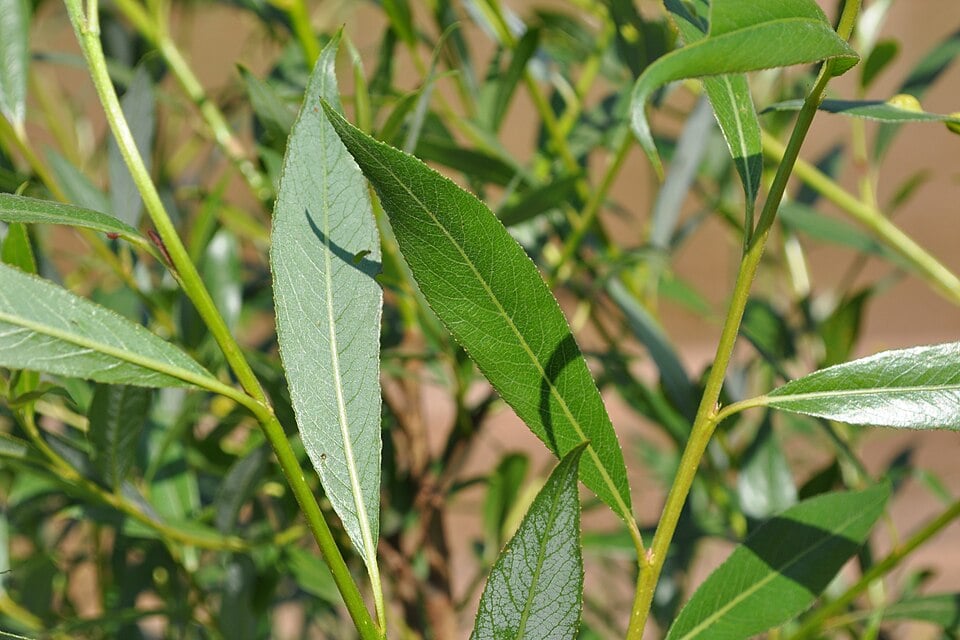
Leaf
Liliane Roubaudi, Tela Botanica · CC BY-SA 2.0
Black poplar
Populus nigra L.
Also known as: European black poplar
Family: Salicaceae
25 to 30 m tall
Riverbanks, alluvial plains
Flowering: March – April, before the leaves
Full sun
Part shade
Hardy to -20°C
❓ How do you recognise this plant?
Trunk often gnarled, covered with characteristic large woody burrs. Aspen has rounded leaves with a flattened petiole that makes them tremble in the slightest breeze, whereas black poplar has more triangular leaves with a tapering tip, and thick bark fissured into diamond shapes.
🍃 Leaves
Diamond-shaped, with a tapering tip, flattened petiole that makes them flutter
🌸 Flowers
Drooping reddish catkins, before the leaves appear
🍎 Fruits
Capsules releasing cottony seeds in June
🪵 Bark
Grey, deeply fissured, often covered with large burrs
🗺️ Distribution
Europe, western Asia, North Africa; common in France along watercourses and in alluvial valleys
🐝 Value for pollinators
Early catkins; resinous buds collected by bees to make propolis
✂️ Horticultural uses
Planted in avenues and along riverbanks to stabilise wet soils
⚠️ Possible toxicity
No known toxicity
🌱 Known cultivars
'Italica'
The Lombardy poplar has a very narrow, columnar, flame-shaped spindle habit, totally different from the broad, irregular silhouette of the wild species.
⚠️ Look-alike species
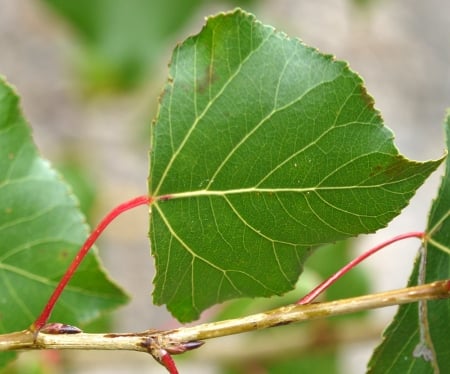
Black poplar
Populus nigra
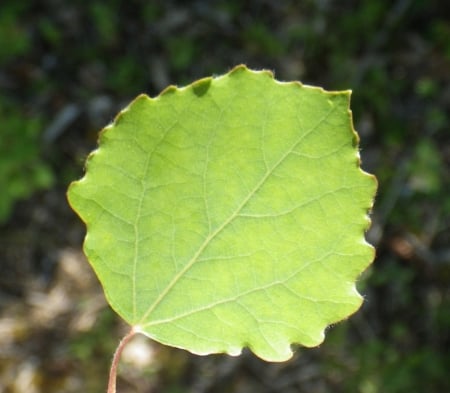
European aspen
Populus tremula
Aspen has rounded leaves with a flattened petiole that makes them tremble in the slightest breeze, whereas black poplar has more triangular leaves with a tapering tip, and thick bark fissured into diamond shapes.
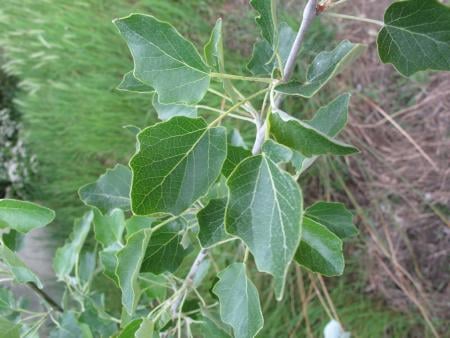
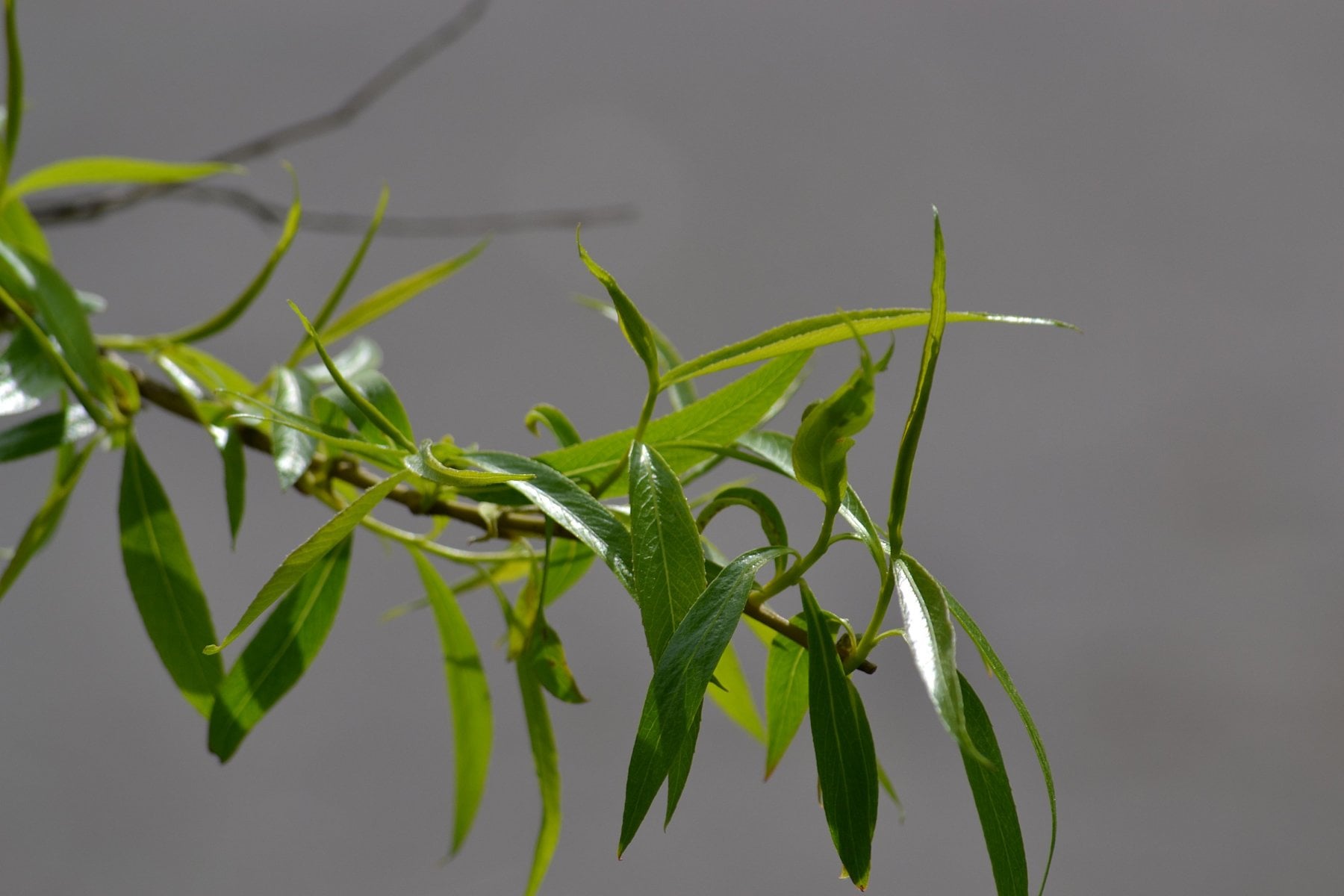
🌿 Other Salicaceae to discover
ℹ️ Educational profile — do not use it to judge whether a plant is edible or safe.
🌱 This database is constantly evolving — species and information are added and corrected regularly. Spotted a mistake? Report it below.
© Floraneo — profile content is protected; reproduction without permission is prohibited. Photos remain under their own licence (see the credit shown on each photo).