Wild carrot or Parsnip: how to tell them apart?
Wild carrot and Parsnip look alike and are often mixed up. Here is how to tell them apart, feature by feature, with their photos and the details to look for.
⚡ The quick answer
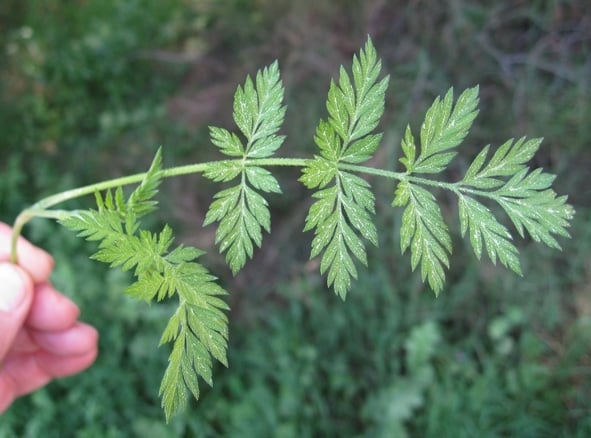
Wild carrot
Daucus carota
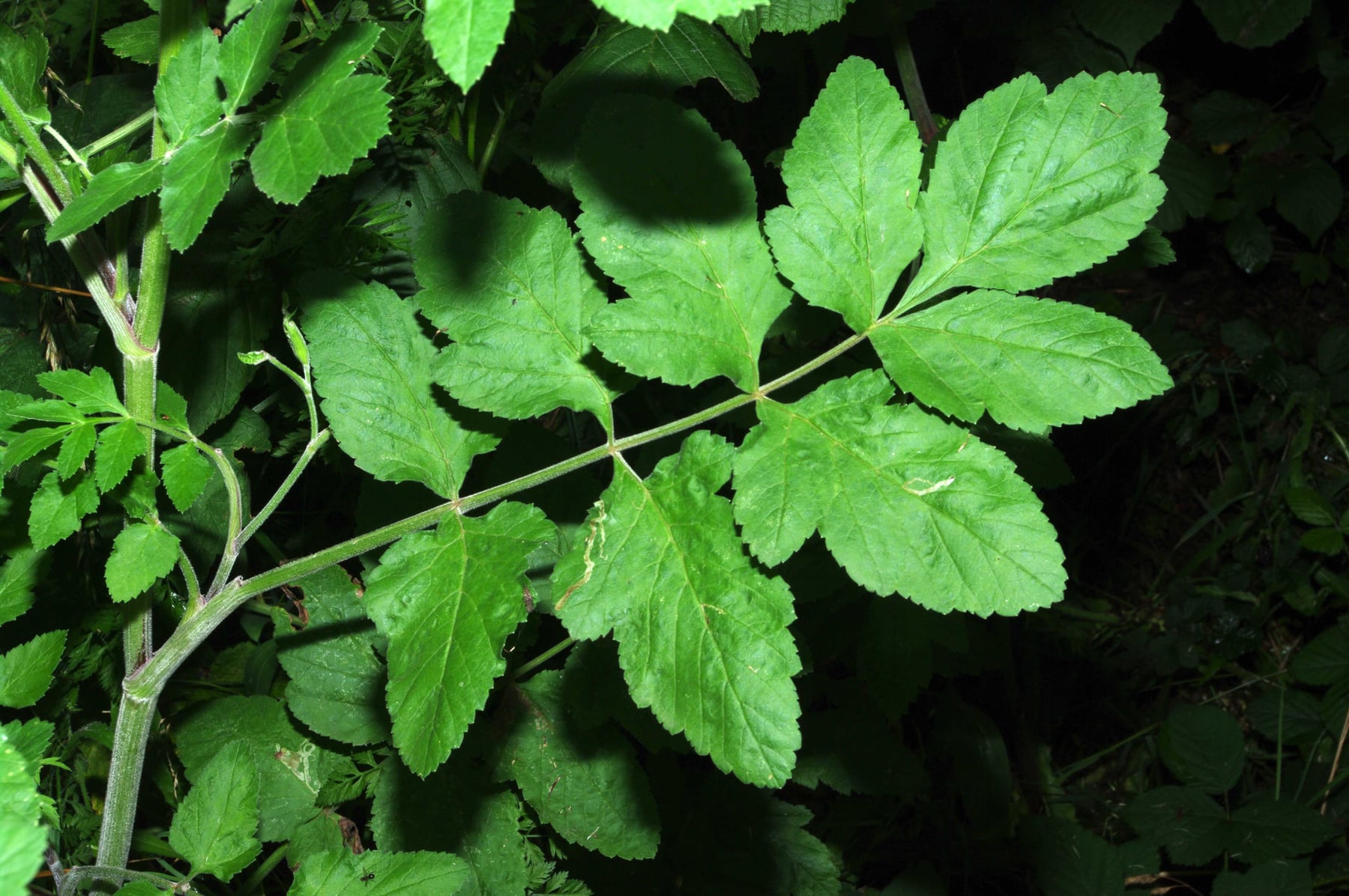
Parsnip
Pastinaca sativa
Similar pale roots, but cultivated parsnip has broader, toothed leaves whereas wild carrot has very finely divided, almost feathery foliage, like that of fennel.
🍃 Leaves
Finely divided, fern-like, smelling of carrot when crushed
Large, pinnate, toothed, hairy beneath
🌸 Flowers
White in a flat umbel, often with a single dark purple central flower
Small, yellow, grouped in large umbels
🍎 Fruits
Small achenes bristling with hooked spines
Flat, oval, winged achene
🪵 Bark
Biennial herbaceous plant with an upright stem, branched in the upper part.
Fleshy taproot, creamy white, with a mild, sweet flavour
📏 Size
30 cm to 1 m tall
30 to 50 cm in rosette, up to 1.50 m in flower in the 2nd year
🗺️ Habitat
Dry meadows, banks, path edges
Grown in the vegetable garden, deep, loose soils
⚠️ Toxicity
Root edible at maturity; beware of confusion with other Apiaceae, some of which (hemlock, water-dropworts) are highly toxic. Never eat a wild Apiaceae on appearance alone, especially at the vegetative stage before flowering.
Edible root; the sap of the leaves can cause skin burns in sunlight (phytophotodermatitis), as in many members of the Apiaceae
🔎 And from the Parsnip side
Similar pale roots, but cultivated parsnip has broader, toothed leaves whereas wild carrot has very finely cut, almost feathery foliage, like that of fennel.
🌿 Go further
Want to practise spotting these details on real photos? Floraneo offers profiles and quizzes for dozens of look-alike species.
ℹ️ Educational profile — do not use it to judge whether a plant is edible or safe.