Welsh onion or Onion: how to tell them apart?
Welsh onion and Onion look alike and are often mixed up. Here is how to tell them apart, feature by feature, with their photos and the details to look for.
⚡ The quick answer
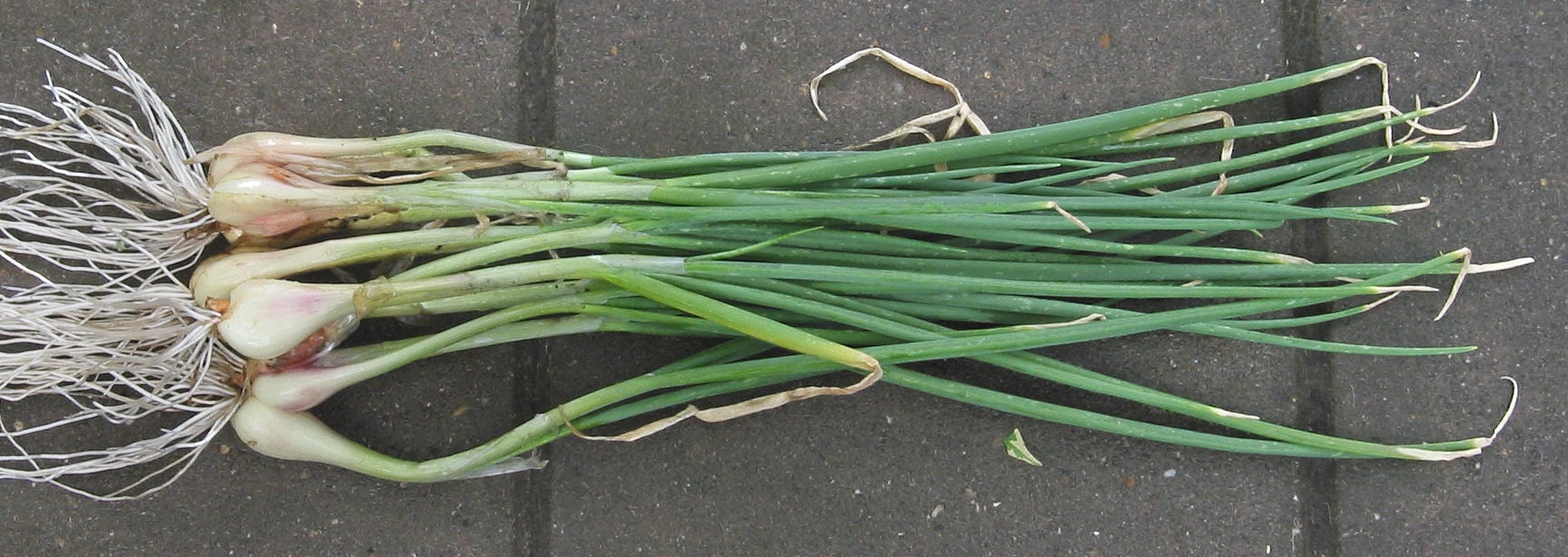
Welsh onion
Allium fistulosum
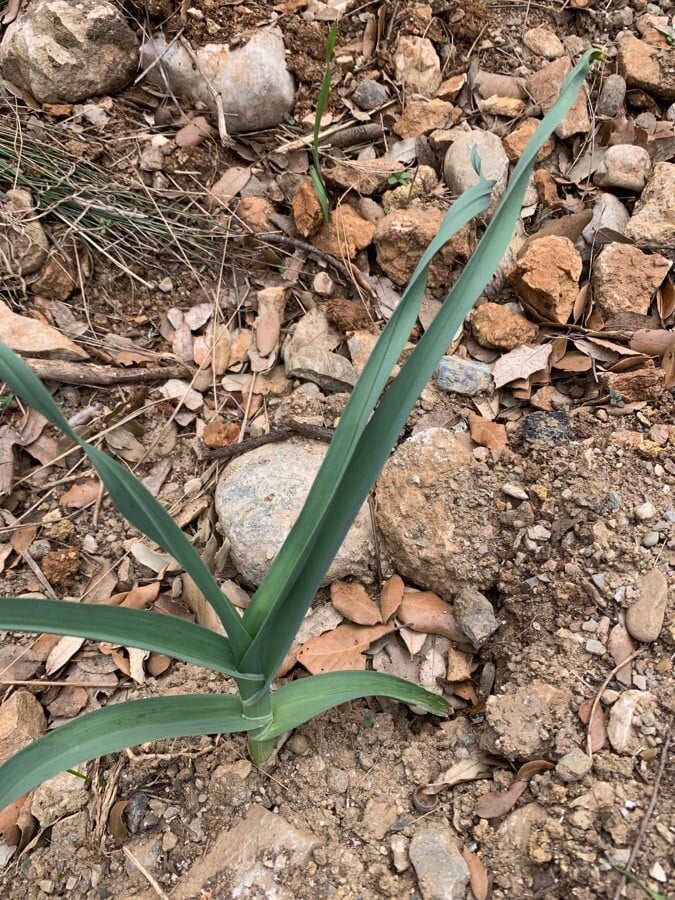
Onion
Allium cepa
The Welsh onion generally forms a clump of fine stems without a true large bulb, unlike the common onion, which develops a single large round bulb; the leaves of the Welsh onion are cylindrical and hollow.
🍃 Leaves
Long, cylindrical, hollow, arranged in a clump (the part mainly eaten)
Cylindrical, hollow, blue-green
🌸 Flowers
White, grouped in a dense spherical umbel at the top of a hollow flower stalk
White to greenish, in a dense spherical umbel
🍎 Fruits
Small 3-celled capsule
Capsule with angular black seeds
🪵 Bark
Perennial herbaceous clump formed of elongated, barely swollen false bulbs
Globose bulb with dry tunics, yellow, red or white depending on the variety
📏 Size
30 to 50 cm tall
40 to 100 cm tall in flower
🗺️ Habitat
Grown in the vegetable garden, ordinary free-draining soils
Grown in vegetable gardens worldwide
⚠️ Toxicity
Edible for humans, but toxic to dogs and cats (like all Allium): causes haemolytic anaemia through oxidation of red blood cells if eaten in large or repeated amounts.
No known toxicity to humans — edible bulb; toxic to dogs and cats
🔎 And from the Onion side
Welsh onion generally forms a clump of slender stems without a true large bulb, unlike the common onion which develops a single large round bulb; the leaves of Welsh onion are cylindrical and hollow.
🌿 Go further
Want to practise spotting these details on real photos? Floraneo offers profiles and quizzes for dozens of look-alike species.
ℹ️ Educational profile — do not use it to judge whether a plant is edible or safe.