Stinging nettle or Red dead-nettle: how to tell them apart?
Stinging nettle and Red dead-nettle look alike and are often mixed up. Here is how to tell them apart, feature by feature, with their photos and the details to look for.
⚡ The quick answer
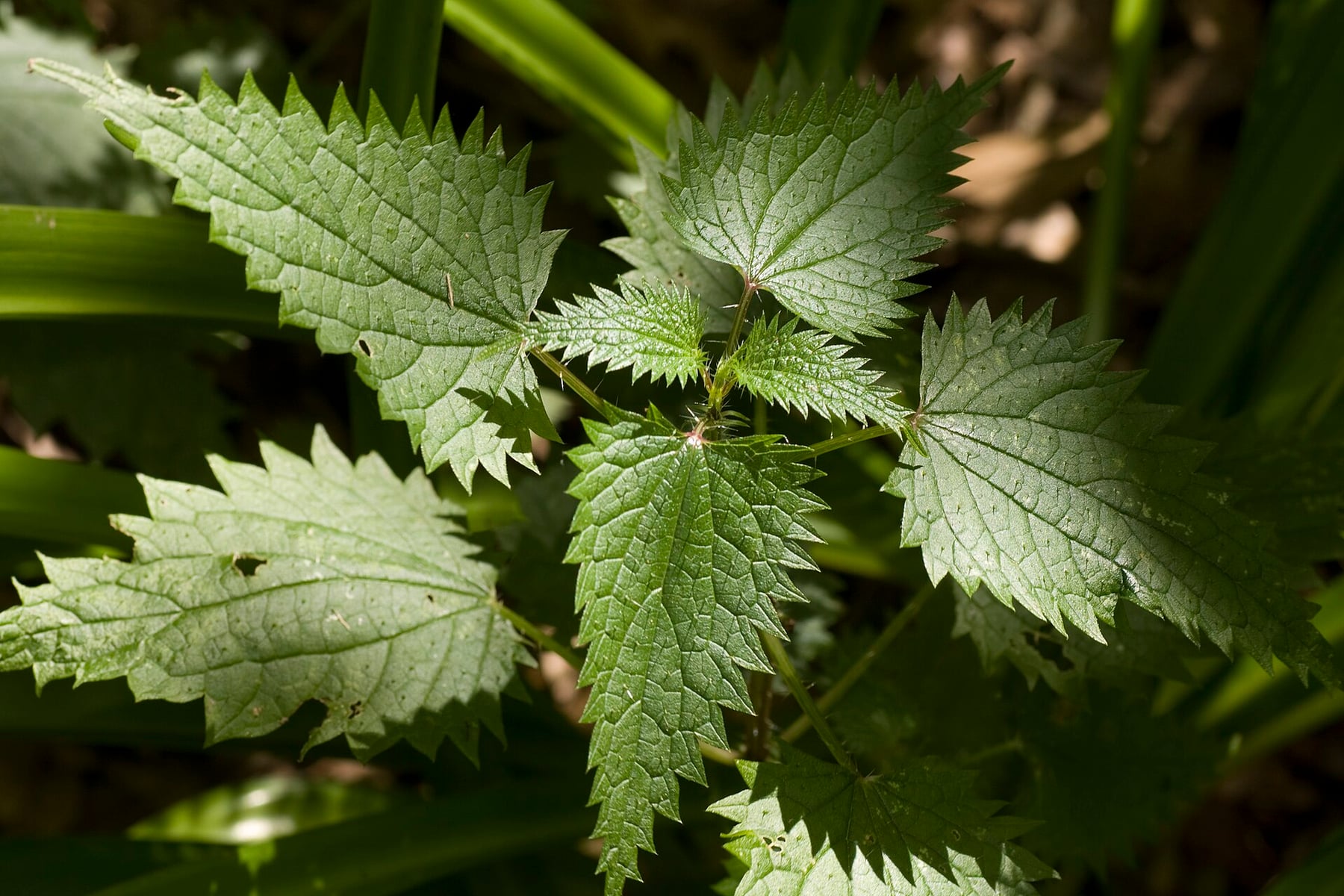
Stinging nettle
Urtica dioica
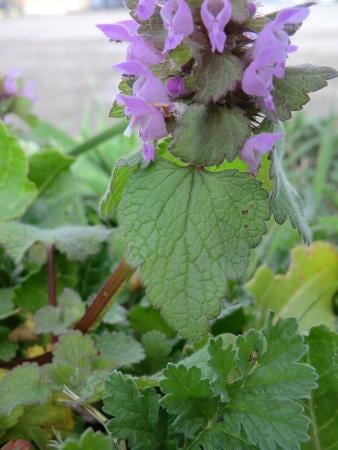
Red dead-nettle
Lamium purpureum
Red dead-nettle mimics the silhouette of the nettle (hence its French name of "false nettle") but its leaves are soft to the touch, without stinging hairs, and its pink gaping flowers easily distinguish it.
🍃 Leaves
Opposite, heart-shaped, saw-toothed, covered in stinging hairs
Heart-shaped, toothed, the upper ones tinged purple, square stem
🌸 Flowers
Tiny, greenish, in long pendent clusters
Small, pink-purple, in whorls in the axils of the upper leaves
🍎 Fruits
Numerous tiny achenes
Small triangular nutlets
🪵 Bark
Square herbaceous stem, covered in stinging hairs
Square stem typical of the mint family, not woody
📏 Size
60 cm to 1.5 m
10 to 25 cm tall
🗺️ Habitat
Waste ground, rubble, nitrogen-rich soils
Gardens, waste ground, track edges
⚠️ Toxicity
Stinging hairs causing itching and redness of the skin on contact; harmless once cooked
No known toxicity.
🔎 And from the Red dead-nettle side
Red dead-nettle mimics the silhouette of the nettle (hence its name 'fausse ortie', false nettle) but its leaves are soft to the touch, without stinging hairs, and its pink two-lipped flowers easily set it apart.
🌿 Go further
Want to practise spotting these details on real photos? Floraneo offers profiles and quizzes for dozens of look-alike species.
ℹ️ Educational profile — do not use it to judge whether a plant is edible or safe.