Snowy mespilus or Canadian serviceberry: how to tell them apart?
Snowy mespilus and Canadian serviceberry look alike and are often mixed up. Here is how to tell them apart, feature by feature, with their photos and the details to look for.
⚡ The quick answer
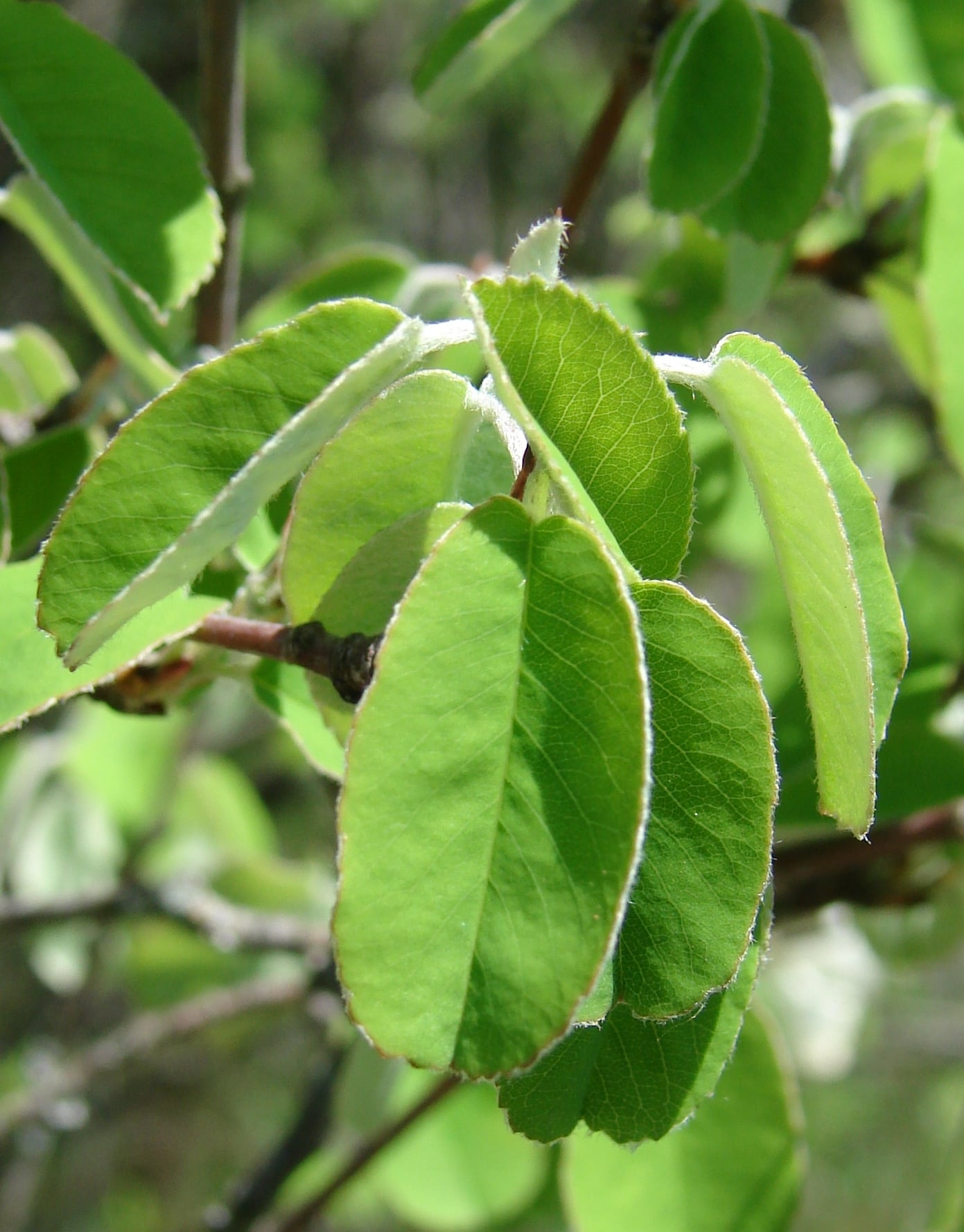
Snowy mespilus
Amelanchier ovalis
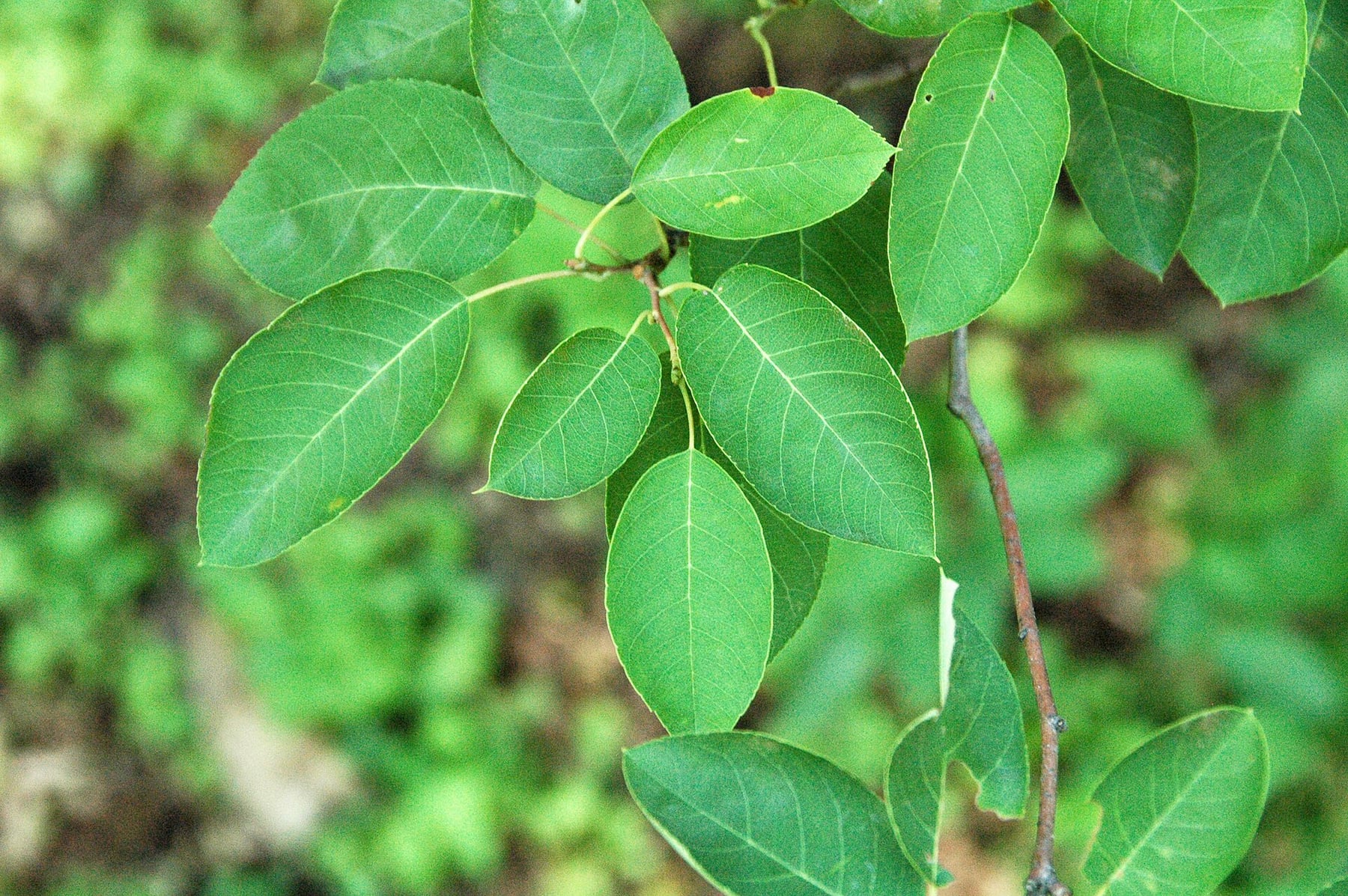
Canadian serviceberry
Amelanchier canadensis
To separate closely related Amelanchier, rely on several characters together: leaf shape, hairiness of young leaves and twigs, flowers and fruit size, rather than a single isolated criterion.
🍃 Leaves
Deciduous, ovate, toothed, downy at bud break, turning red in autumn
Ovate, finely toothed, downy when young, taking on fine orange to red tints in autumn
🌸 Flowers
White stars in clusters, appearing before or with the leaves
White, star-shaped, grouped in upright racemes, appearing early in spring
🍎 Fruits
Small sweet blue-black berries, edible
Small purple-black berry when ripe, sweet, resembling a small blueberry
🪵 Bark
Smooth grey bark, bushy habit
Grey, smooth, streaked with fine vertical lines
📏 Size
1 to 3 m tall
3 to 6 m tall
🗺️ Habitat
Hedges, rocky banks, gardens, free-draining limestone soils
Planted in hedges and garden borders
⚠️ Toxicity
No known toxicity; fruits edible.
Berries edible; no known toxicity
🔎 And from the Canadian serviceberry side
Compare several characters rather than the size of the shrub alone: leaves, hairiness, flowers and fruits. Amelanchier species can show variation and hybrids.
🌿 Go further
Want to practise spotting these details on real photos? Floraneo offers profiles and quizzes for dozens of look-alike species.
ℹ️ Educational profile — do not use it to judge whether a plant is edible or safe.