Siberian iris or Stinking iris: how to tell them apart?
Siberian iris and Stinking iris look alike and are often mixed up. Here is how to tell them apart, feature by feature, with their photos and the details to look for.
⚡ The quick answer
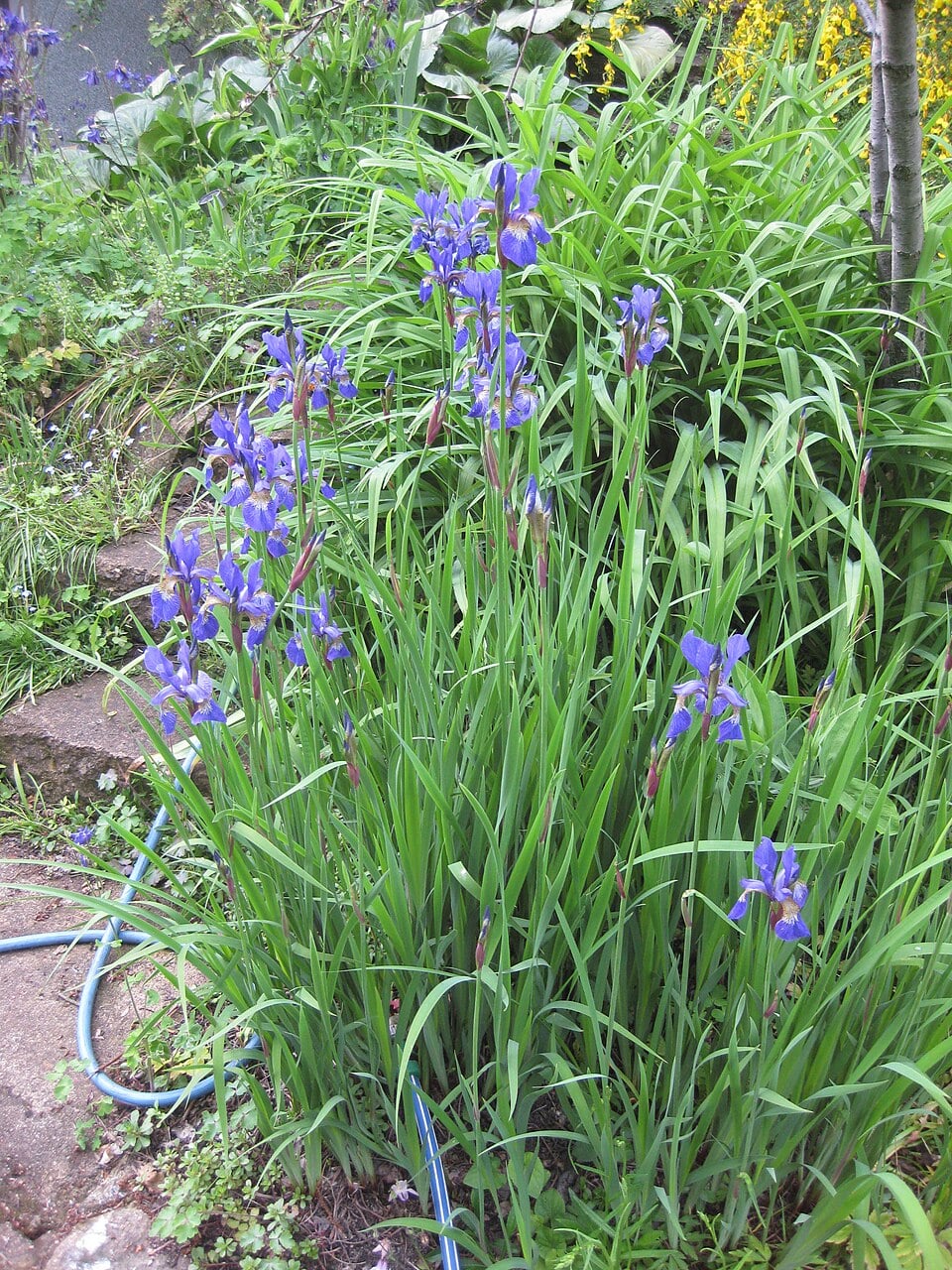
Siberian iris
Iris sibirica
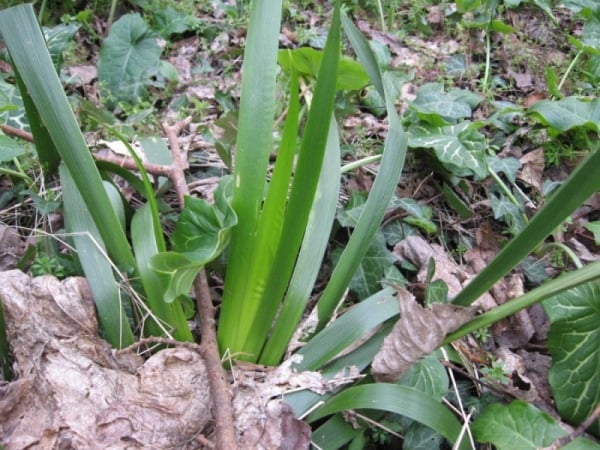
Stinking iris
Iris foetidissima
Without a beard or bright colours, these two irises look alike in flower: dull blue-violet colouring, slender drooping petals. Siberian iris has narrow, upright foliage, in a sunny, damp position, whereas stinking iris grows in the shade of woodland, gives off an unpleasant smell when crushed and is recognised above all in winter by its bright orange seeds in open capsules.
🍃 Leaves
Slender, linear, upright, bright green
Evergreen, fan-shaped, glossy dark green, unpleasant smell when crushed
🌸 Flowers
Blue-violet flowers, slenderer and more graceful than the bearded iris
Inconspicuous flowers, dull blue-violet or yellowish
🍎 Fruits
Elongated 3-celled capsules
Capsules splitting open to reveal very decorative bright orange seeds in winter
🪵 Bark
Dense clump of creeping rhizomes
Dense clump, creeping rhizome
📏 Size
60 cm to 1 m tall
30 to 60 cm tall
🗺️ Habitat
Damp gardens, pond margins, moist soils
Woodland understorey, shady gardens, all soils
⚠️ Toxicity
Rhizome slightly toxic if ingested, as in other irises; may cause digestive upset.
Rhizome and seeds toxic if ingested; foliage gives off an unpleasant smell when crushed.
🔎 And from the Stinking iris side
Without a beard or bright colours, these two irises look alike in flower: dull blue-violet colouring, slender drooping petals. Stinking iris grows in the shade of woodland, gives off an unpleasant smell when crushed and is recognised above all in winter by its bright orange seeds in open capsules, whereas Siberian iris has narrow, upright foliage, in a sunny, damp position.
🌿 Go further
Want to practise spotting these details on real photos? Floraneo offers profiles and quizzes for dozens of look-alike species.
ℹ️ Educational profile — do not use it to judge whether a plant is edible or safe.