Seville orange or Sweet orange: how to tell them apart?
Seville orange and Sweet orange look alike and are often mixed up. Here is how to tell them apart, feature by feature, with their photos and the details to look for.
⚡ The quick answer
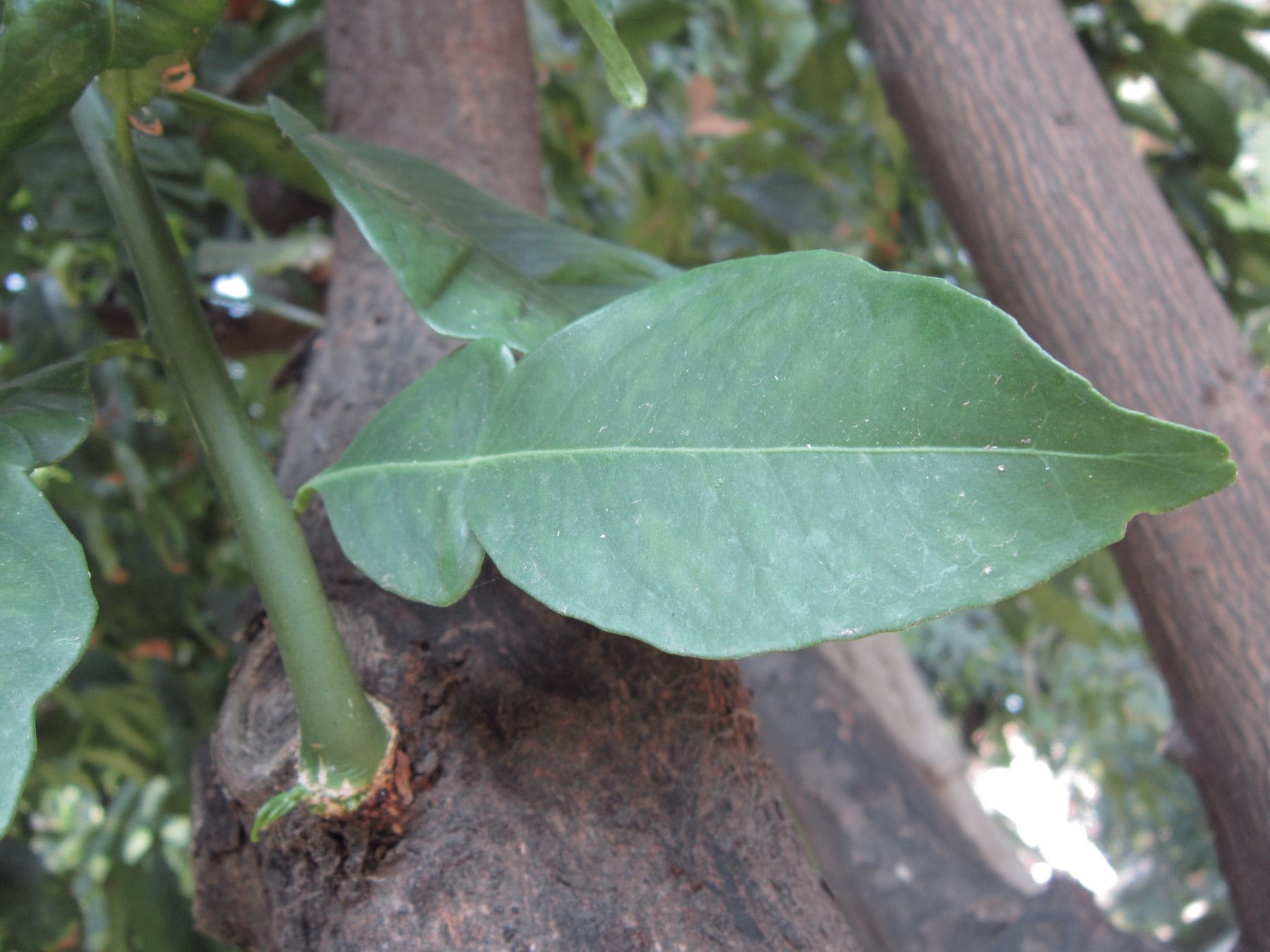
Seville orange
Citrus aurantium
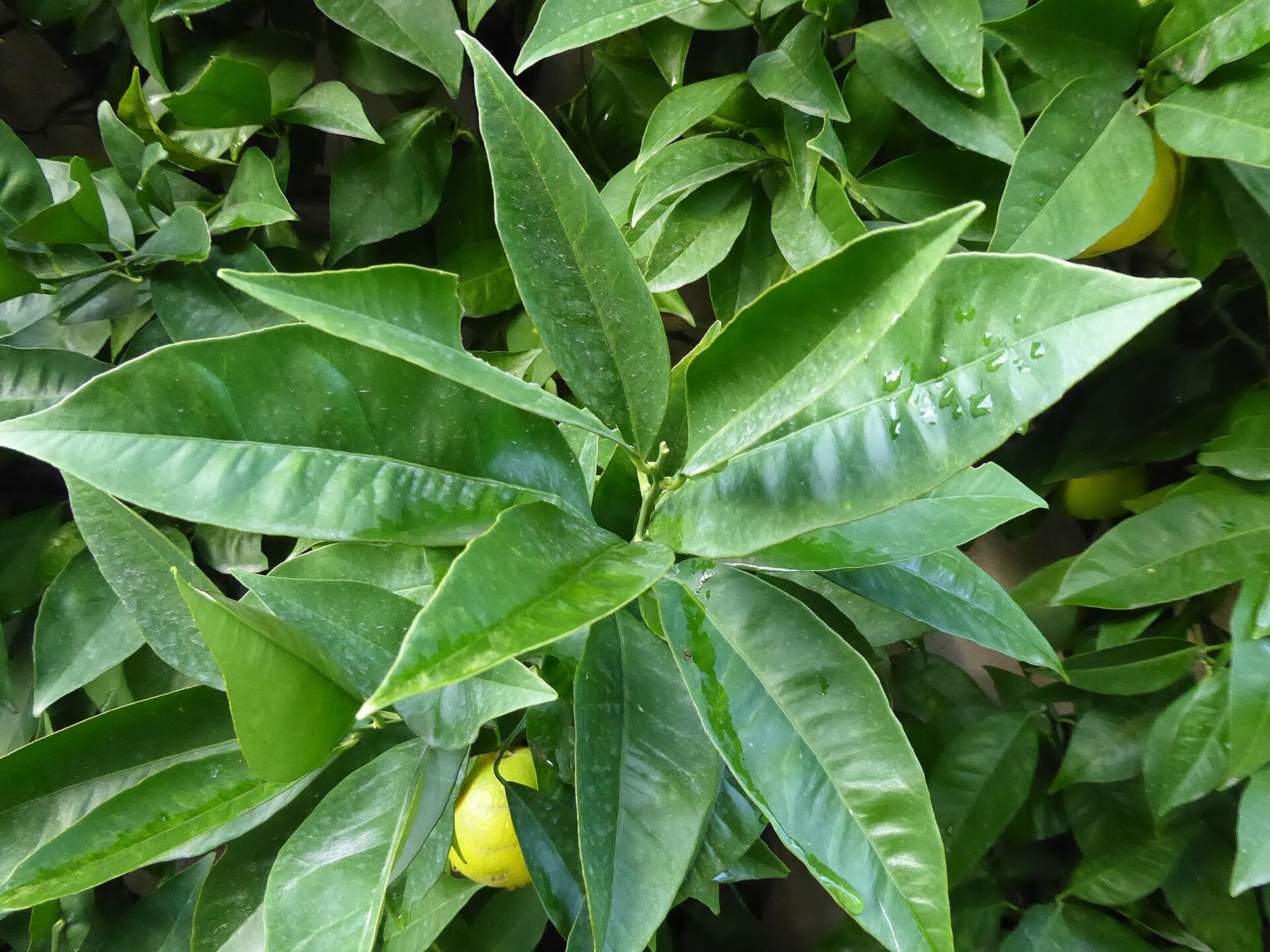
Sweet orange
Citrus sinensis
Seville orange closely resembles sweet orange in habit and glossy evergreen foliage, but its petiole is distinctly more winged, its shoots often thornier, and above all its fruit stays inedible fresh because it is so bitter — unlike the sweet orange. Its larger, more fragrant flowers are the traditional source of orange flower water.
🍃 Leaves
Evergreen, ovate, glossy, dark green, very aromatic; petiole distinctly winged, broader than that of the sweet orange
Evergreen, ovate, glossy, aromatic when crushed, petiole slightly winged
🌸 Flowers
White, very large and very fragrant (more so than those of the sweet orange), solitary or grouped in 2-3
White, very fragrant (orange blossom), clustered or solitary
🍎 Fruits
Orange with thick, rough skin, not very juicy, acidic and very bitter pulp, rich in pips; not eaten fresh but used in marmalade and confectionery
Large round citrus fruit, orange when ripe, sweet pulp divided into segments
🪵 Bark
Greyish; young shoots bearing thorns up to several centimetres long, more pronounced than in the sweet orange
Greyish, smooth on young specimens
📏 Size
3 to 10 m tall in the open ground, often less in a pot
6 to 10 m tall
🗺️ Habitat
Planted in urban avenues and gardens in Mediterranean climates (famous avenues in Nice), also grown in pots elsewhere
Planted in orchards and gardens, mild Mediterranean climate
⚠️ Toxicity
Fruit edible but very bitter, not toxic to humans; like other citrus, the essential oils and zest are toxic to cats and dogs
Fruit edible for humans; the leaves, bark and zest contain essential oils and psoralens that are toxic to dogs and cats (digestive upset, dermatitis)
🔎 And from the Sweet orange side
The Seville orange closely resembles the sweet orange in habit and glossy evergreen foliage, but its petiole is clearly more winged, its twigs are often thornier, and above all its fruit is inedible fresh because it is so bitter — unlike the sweet orange. Its larger, more fragrant flowers are the traditional source of orange flower water.
🌿 Go further
Want to practise spotting these details on real photos? Floraneo offers profiles and quizzes for dozens of look-alike species.
ℹ️ Educational profile — do not use it to judge whether a plant is edible or safe.