Ramsons or Lily of the valley: how to tell them apart?
Ramsons and Lily of the valley look alike and are often mixed up. Here is how to tell them apart, feature by feature, with their photos and the details to look for.
⚡ The quick answer
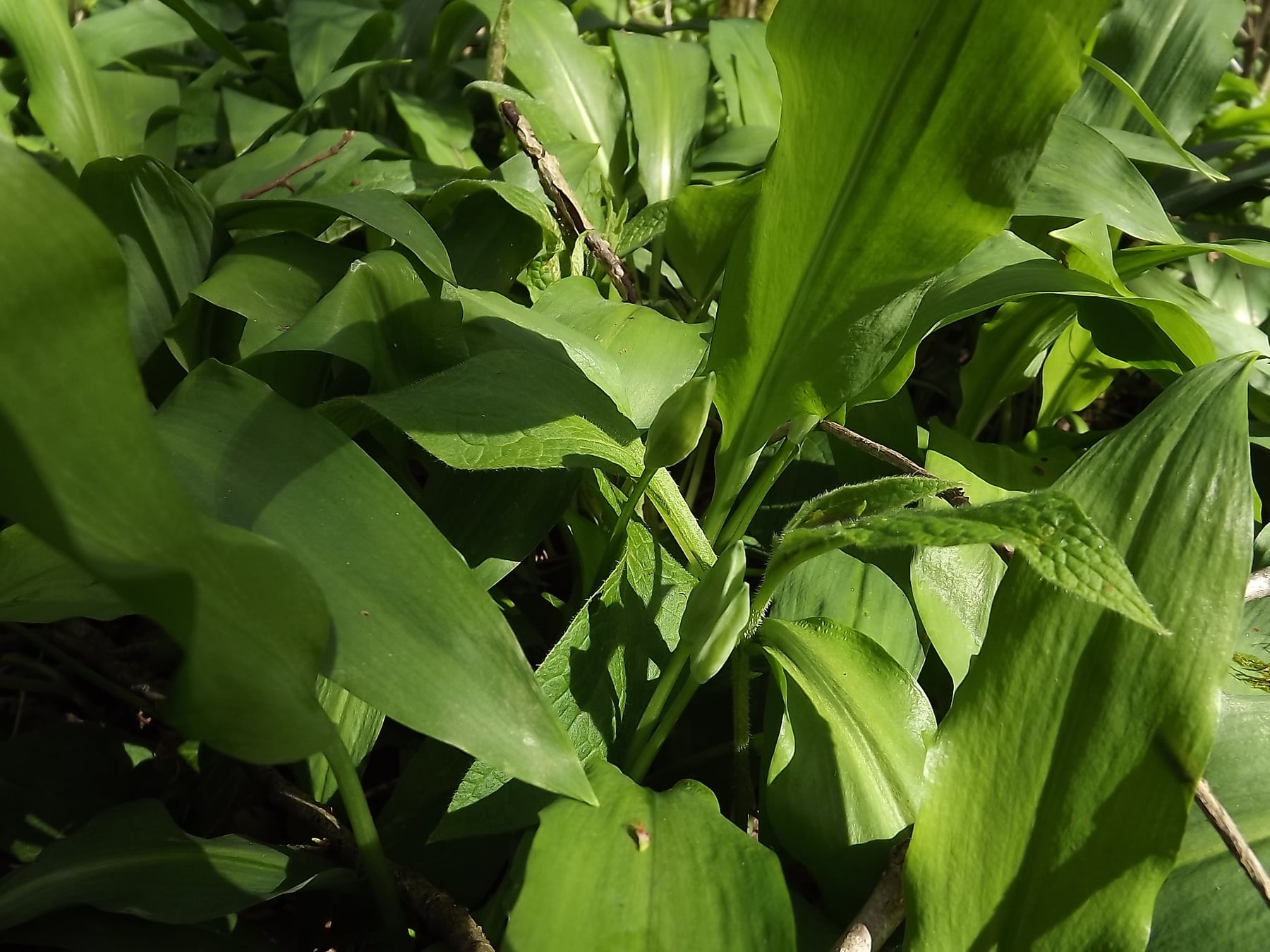
Ramsons
Allium ursinum
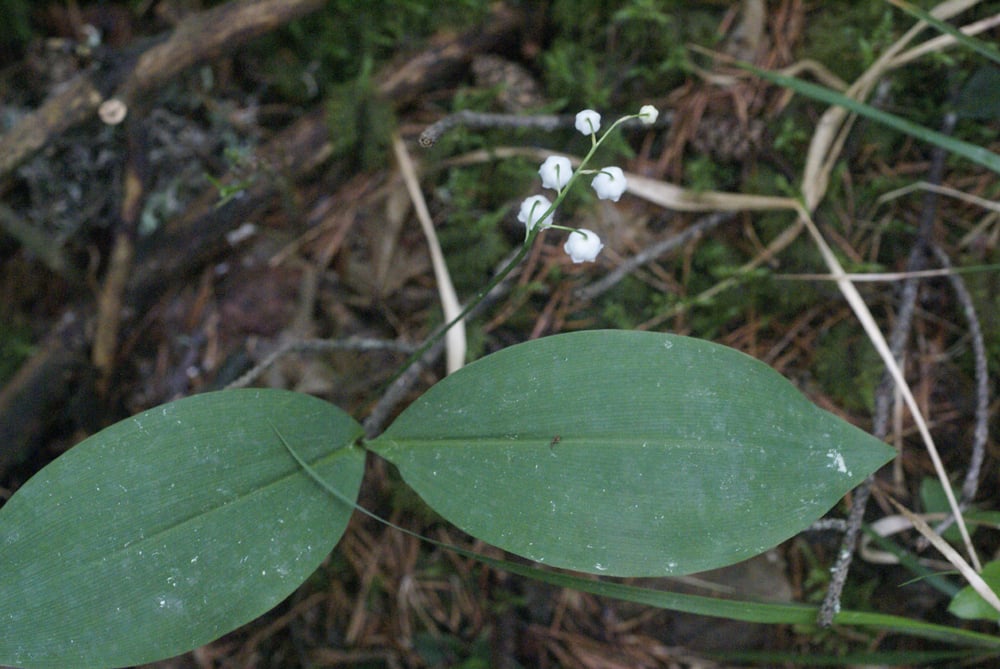
Lily of the valley
Convallaria majalis
The most reliable test: crush a leaf between your fingers and smell it. Ramsons immediately gives off a strong garlic smell — lily of the valley smells of nothing at all. Its leaves are also fleshier and sheathing at the base. These are good clues, but none is an absolute guarantee on its own: at the slightest doubt, do not eat it — lily of the valley is highly toxic.
🍃 Leaves
Broad, lanceolate, bright green, marked garlic smell when crushed
Two large ovate leaves sheathing at the base
🌸 Flowers
Small white stars in a terminal umbel
Small fragrant white bells in a one-sided raceme
🍎 Fruits
Small capsule with black seeds
Small orange-red berries, toxic
🪵 Bark
Elongated underground bulb, herbaceous plant.
Creeping underground rhizome, herbaceous plant
📏 Size
20 to 40 cm tall
15 to 25 cm tall
🗺️ Habitat
Cool, damp woodland understorey, in vast carpets
Cool woodland, often on chalky soil
⚠️ Toxicity
Leaves, flowers and bulbs edible (characteristic garlic smell). Beware of confusion with lily of the valley and meadow saffron, which are toxic: never eat a plant you have identified with any doubt.
Very toxic in all its parts, including the water in the vase after flowering (cardiac glycosides); ingestion may cause serious heart problems, particularly dangerous for young children.
🔎 And from the Lily of the valley side
The safest test: crush a leaf between your fingers and smell it. Ramsons immediately gives off a strong smell of garlic — lily of the valley smells of nothing at all. Its leaves are also more fleshy and sheathing at the base. These are good clues, but none is an absolute guarantee on its own: if in the slightest doubt, do not eat it — lily of the valley is highly toxic.
🌿 Go further
Want to practise spotting these details on real photos? Floraneo offers profiles and quizzes for dozens of look-alike species.
ℹ️ Educational profile — do not use it to judge whether a plant is edible or safe.