Poison hemlock or Parsley: how to tell them apart?
Poison hemlock and Parsley look alike and are often mixed up. Here is how to tell them apart, feature by feature, with their photos and the details to look for.
⚡ The quick answer
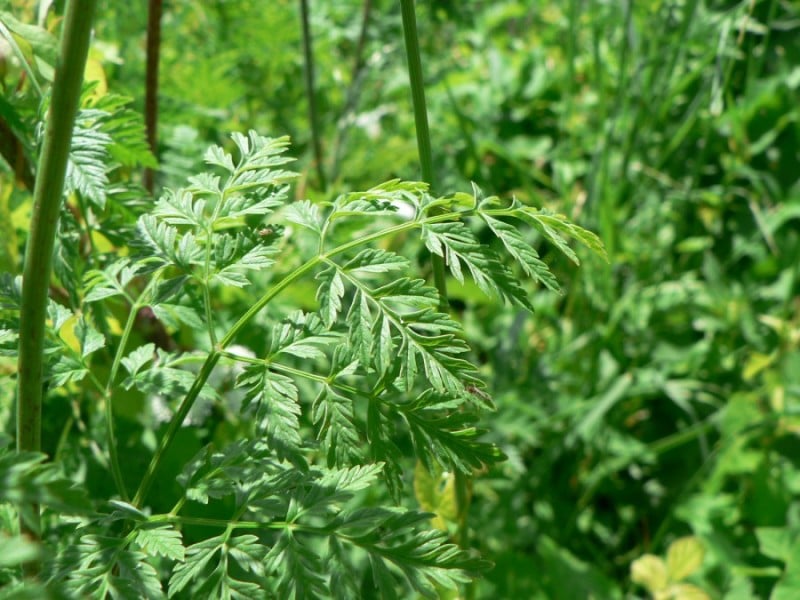
Poison hemlock
Conium maculatum
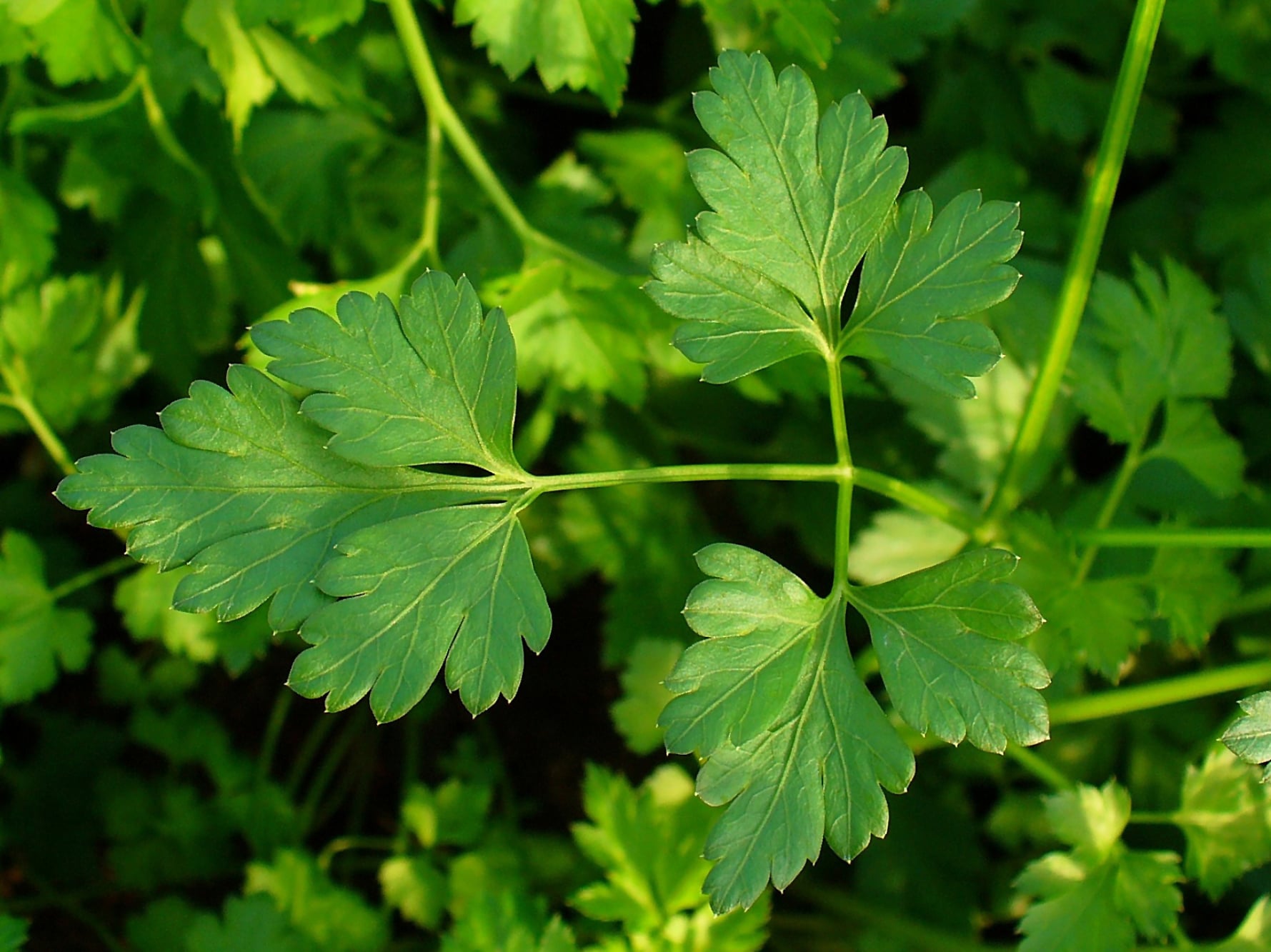
Parsley
Petroselinum crispum
Cultivated parsley gives off a characteristic fresh, aromatic smell when crushed, whereas hemlock has a foul, unpleasant smell and a purple-blotched stem. Never eat a parsley-like plant found in the wild without absolute certainty of identification.
🍃 Leaves
Alternate, finely divided (3 to 4 times pinnate), bright green, hairless, giving off a foul smell when crushed
Divided, flat or curled depending on variety, bright green, very aromatic
🌸 Flowers
Small white flowers in compound umbels
Small, greenish-yellow, grouped in umbels, appearing in the 2nd year
🍎 Fruits
Small ribbed fruits, grey-green when ripe
Small, oval, ribbed achene, typical of the Apiaceae
🪵 Bark
Biennial plant with a hollow, grooved, hairless (smooth) stem, blotched reddish-purple at the base
Hollow, ridged herbaceous stem, upright in the 2nd year when it runs to seed
📏 Size
1 to 2.5 m tall
20 to 30 cm as a rosette, up to 80 cm in flower
🗺️ Habitat
Waste ground, roadsides, ditches, rubble, nitrogen-rich soils
Grown in vegetable gardens and herb gardens
⚠️ Toxicity
Extremely toxic, potentially fatal even at a low dose. All parts contain powerful alkaloids (coniine and related compounds), most concentrated in the seeds and roots. Never consume or handle without absolute certainty of identification.
No known toxicity in normal culinary use
🔎 And from the Parsley side
Cultivated parsley gives off a characteristic fresh, aromatic smell when crushed, whereas hemlock has a foul, unpleasant smell and a purple-spotted stem. Never eat a parsley-like plant found growing wild without absolute certainty of its identification.
🌿 Go further
Want to practise spotting these details on real photos? Floraneo offers profiles and quizzes for dozens of look-alike species.
ℹ️ Educational profile — do not use it to judge whether a plant is edible or safe.