Norway spruce or English yew: how to tell them apart?
Norway spruce and English yew look alike and are often mixed up. Here is how to tell them apart, feature by feature, with their photos and the details to look for.
⚡ The quick answer
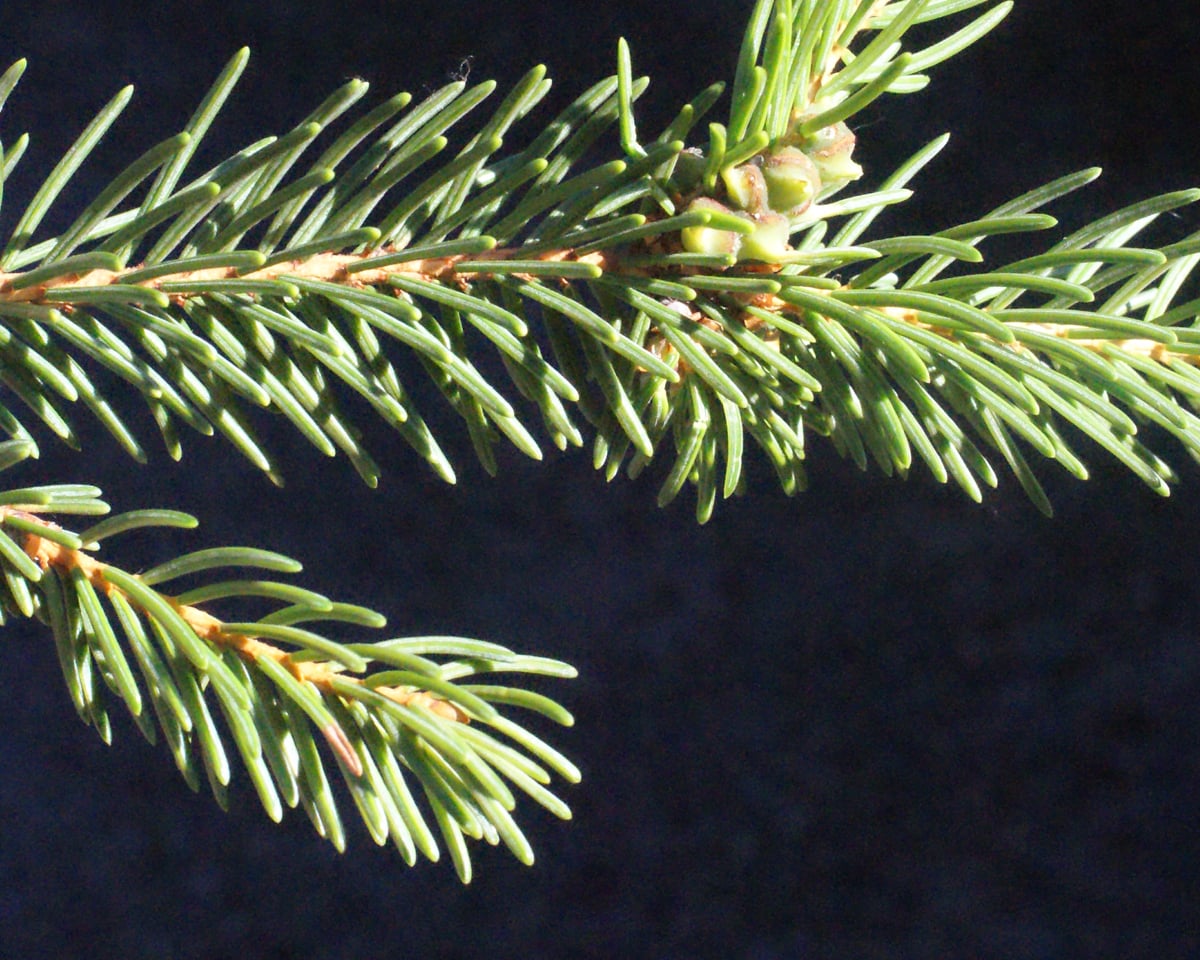
Norway spruce
Picea abies
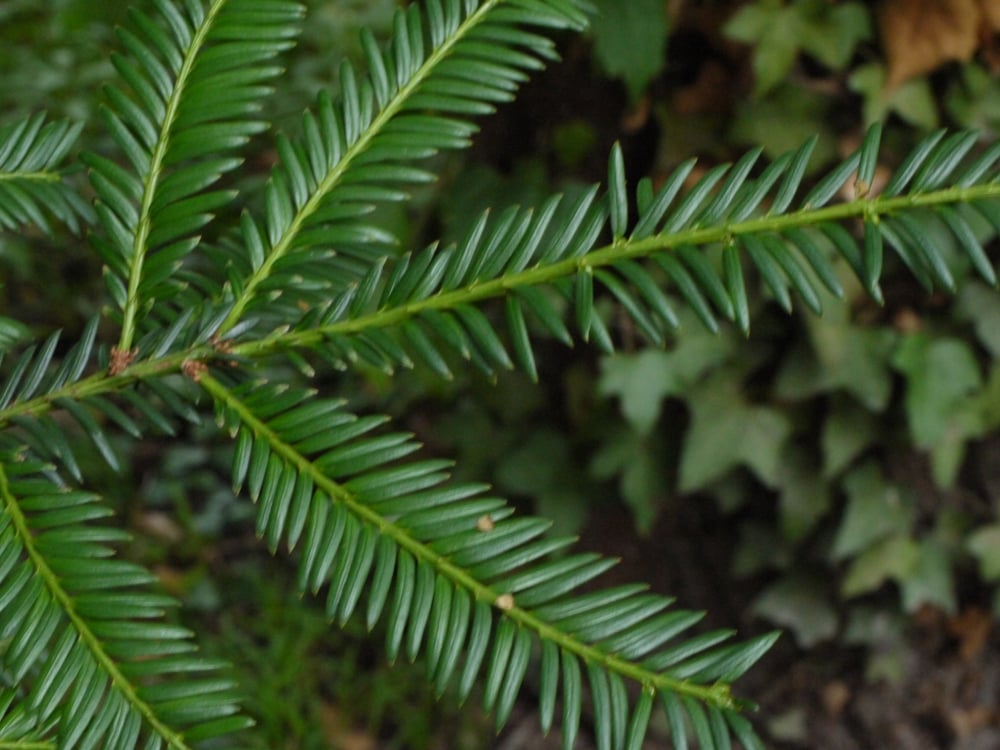
English yew
Taxus baccata
From a distance, both are dark needled conifers. Yew has flat, soft needles in two neat rows, no cones (but toxic red berries), whereas spruce has sharp needles all around the shoot and true pendent cones.
🍃 Leaves
Short, sharp needles, inserted all around the shoot
Flat, soft needles, glossy dark green, arranged in two rows like a comb
🌸 Flowers
Reddish male cones, female cones erect then pendent
Tiny, inconspicuous, sexes separate, on different plants
🍎 Fruits
Long cylindrical pendent cones, 10 to 18 cm, with flexible scales
Small black seed surrounded by a fleshy red aril
🪵 Bark
Red-brown, flaking off in small thin plates
Reddish-brown, thin, flaking in scales
📏 Size
20 to 40 m tall
10 to 15 m tall, sometimes more
🗺️ Habitat
Mountains, cool forests, often planted in lowlands
Woodland understorey, often planted as a clipped hedge or in churchyards
⚠️ Toxicity
No known toxicity
Extremely toxic: needles and seeds contain cardiotoxic taxines, fatal if ingested by humans and many animals; only the fleshy red aril is edible (not the seed)
🔎 And from the English yew side
From a distance, both are dark conifers with needles. Yew has flat, soft needles in two neat rows, no cones (but toxic red berries), whereas Norway spruce has sharp needles all around the twig and true hanging cones.
🌿 Go further
Want to practise spotting these details on real photos? Floraneo offers profiles and quizzes for dozens of look-alike species.
ℹ️ Educational profile — do not use it to judge whether a plant is edible or safe.