Mandarin orange or Sweet orange: how to tell them apart?
Mandarin orange and Sweet orange look alike and are often mixed up. Here is how to tell them apart, feature by feature, with their photos and the details to look for.
⚡ The quick answer
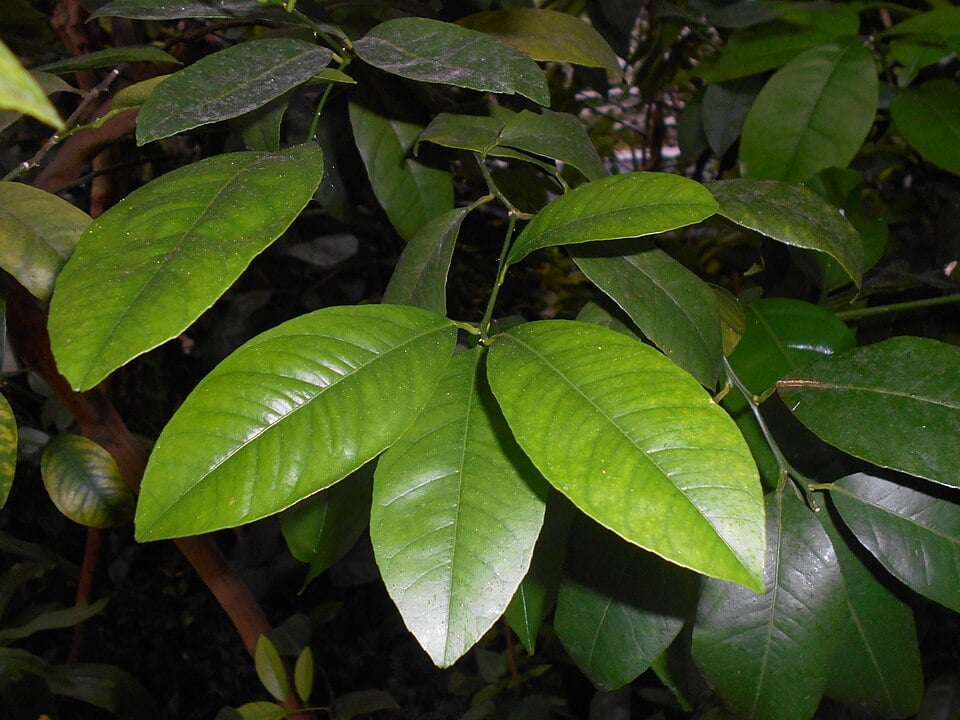
Mandarin orange
Citrus reticulata
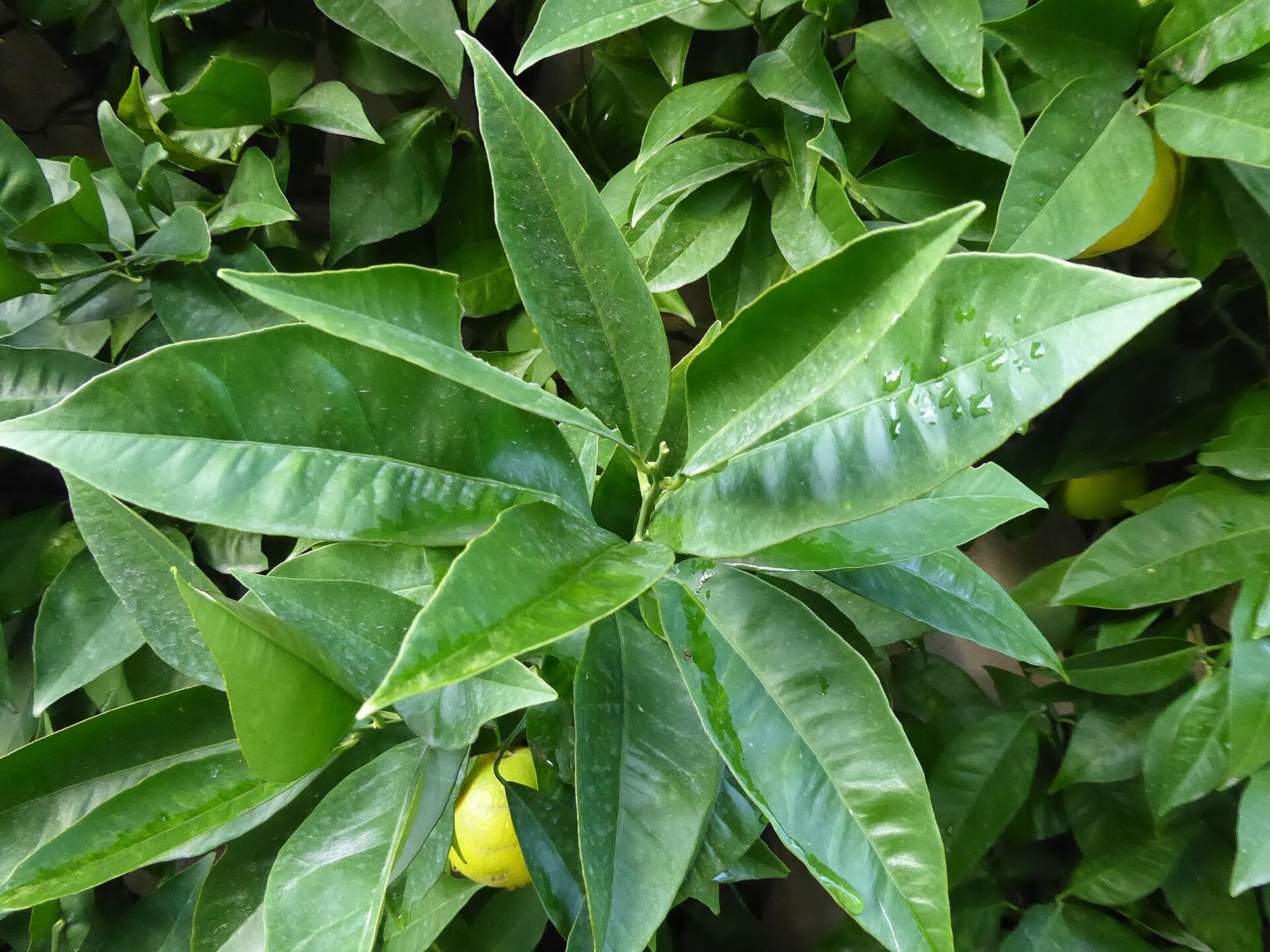
Sweet orange
Citrus sinensis
Very similar foliage and outline. The mandarin is distinguished by smaller, flattened fruits with skin that comes away easily, unlike the orange.
🍃 Leaves
Evergreen, ovate-lanceolate, glossy, aromatic when crushed
Evergreen, ovate, glossy, aromatic when crushed, petiole slightly winged
🌸 Flowers
White, highly scented, solitary or in groups of 2-3
White, very fragrant (orange blossom), clustered or solitary
🍎 Fruits
Small orange citrus fruit, flattened at the poles, with thin, easily removed skin, sweet pulp divided into segments
Large round citrus fruit, orange when ripe, sweet pulp divided into segments
🪵 Bark
Greyish, branches sometimes slightly thorny
Greyish, smooth on young specimens
📏 Size
2 to 4 m tall
6 to 10 m tall
🗺️ Habitat
Planted in orchards and gardens, mild Mediterranean climate
Planted in orchards and gardens, mild Mediterranean climate
⚠️ Toxicity
Fruit edible, no known toxicity to humans; leaves and peel contain essential oils and psoralens that are toxic to cats and dogs (vomiting, diarrhoea, depression, photosensitisation).
Fruit edible for humans; the leaves, bark and zest contain essential oils and psoralens that are toxic to dogs and cats (digestive upset, dermatitis)
🔎 And from the Sweet orange side
Very similar foliage and silhouette. The mandarin is distinguished by smaller, flattened fruits with skin that peels off easily, unlike the orange.
🌿 Go further
Want to practise spotting these details on real photos? Floraneo offers profiles and quizzes for dozens of look-alike species.
ℹ️ Educational profile — do not use it to judge whether a plant is edible or safe.