Gorse or Common broom: how to tell them apart?
Gorse and Common broom look alike and are often mixed up. Here is how to tell them apart, feature by feature, with their photos and the details to look for.
⚡ The quick answer
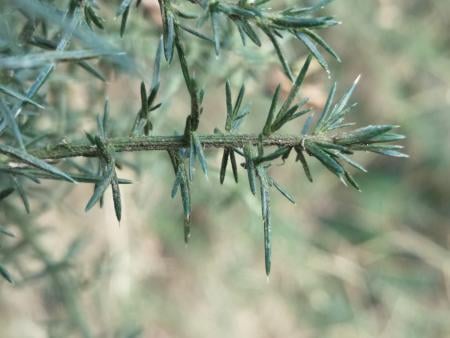
Gorse
Ulex europaeus
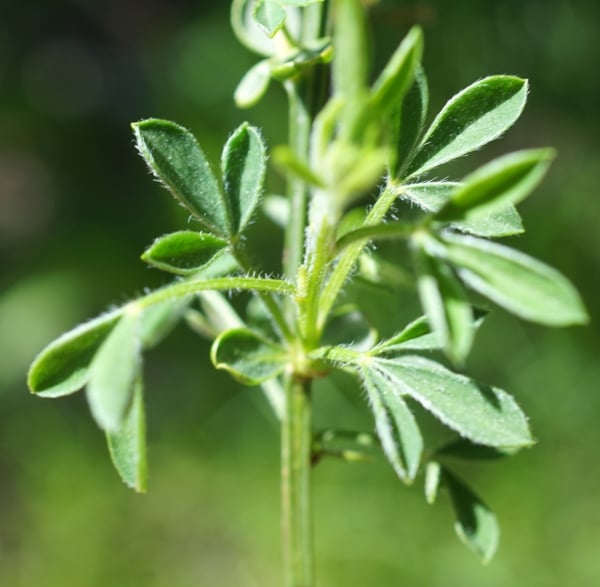
Common broom
Cytisus scoparius
Common broom has no spines, its stems are supple and angled, whereas gorse is bristling with rigid spines over its whole surface.
🍃 Leaves
Reduced to strong, rigid, sharp green spines
Small, often reduced to mere scales on the green stems
🌸 Flowers
Bright yellow, pea-shaped, coconut scent
Large bright yellow flowers, butterfly-shaped
🍎 Fruits
Small black hairy pods, bursting open when ripe
Flat black pods that burst open noisily when ripe
🪵 Bark
Green, heavily spiny stems; the leaves are reduced to spines.
Angular green stems, photosynthetic even without leaves
📏 Size
1 to 2.5 m tall, dense, spiny clump
1 to 2.5 m tall
🗺️ Habitat
Heathland, banks, poor, acid ground
Heathland, banks, acid and poor soils
⚠️ Toxicity
Seeds toxic, containing an alkaloid close to cytisine, active on nicotinic receptors; risk of accidental ingestion limited by the strong spines, but dangerous if eaten (livestock, pets).
Seeds and young shoots toxic if eaten (alkaloids including sparteine), causing heart and digestive problems.
🔎 And from the Common broom side
Common broom has no spines and its stems are flexible and angular, whereas gorse is bristling with rigid spines all over.
🌿 Go further
Want to practise spotting these details on real photos? Floraneo offers profiles and quizzes for dozens of look-alike species.
ℹ️ Educational profile — do not use it to judge whether a plant is edible or safe.