Giant sequoia or Coast redwood: how to tell them apart?
Giant sequoia and Coast redwood look alike and are often mixed up. Here is how to tell them apart, feature by feature, with their photos and the details to look for.
⚡ The quick answer
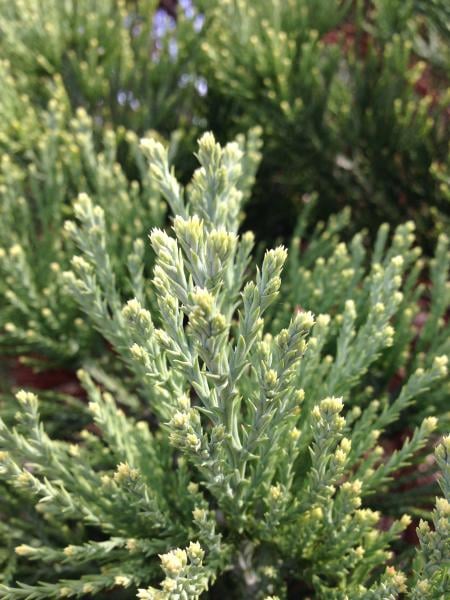
Giant sequoia
Sequoiadendron giganteum
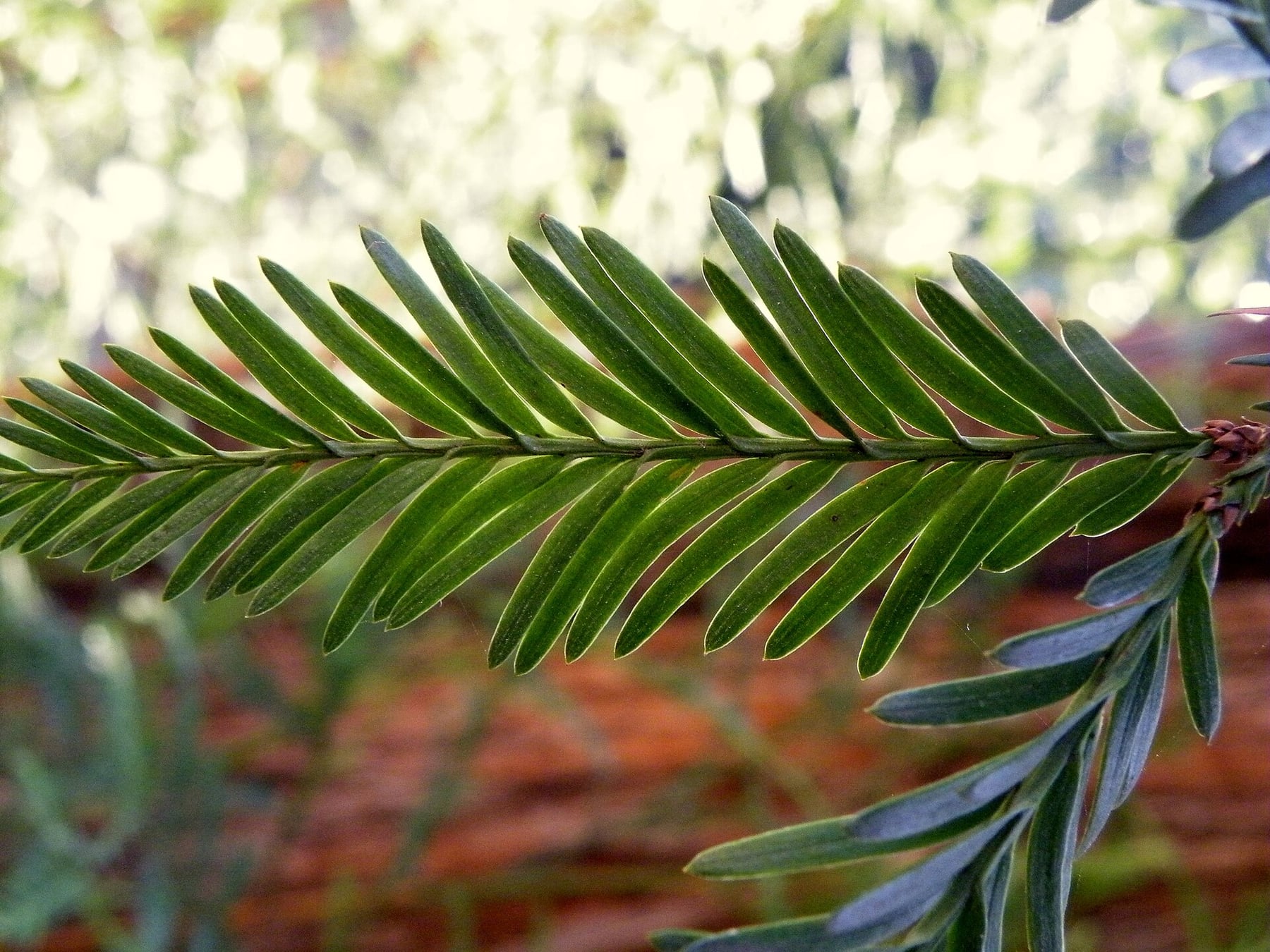
Coast redwood
Sequoia sempervirens
Coast redwood has flat needle-like leaves arranged flat on either side of the shoot, like a yew, whereas giant sequoia has pointed scale-like leaves pressed against the shoots and very thick, spongy bark.
🍃 Leaves
Evergreen, in pointed, prickly scales, arranged in a tight spiral around the shoots
Flat, soft needles arranged flat on either side of the shoot, dark green above, two white bands beneath
🌸 Flowers
Small male and female cones, separate on the same tree
Small, inconspicuous yellowish male cones in late winter, at the tips of the shoots
🍎 Fruits
Ovoid cone with thick scales, which can stay on the tree for years without opening
Small woody ovoid cones 2 to 3 cm long, much smaller than those of the giant sequoia
🪵 Bark
Red-brown, very thick and spongy, fibrous, offering remarkable protection against fire
Thick, fibrous and spongy bark, reddish-brown, peeling off in long vertical strips
📏 Size
30 to 50 m tall in France, much more in its native range
Up to 30-40 m in France (over 100 m in its native range), with a very tapering trunk
🗺️ Habitat
Planted singly in large parks, deep, cool soils
Planted singly in large parks, arboreta and château estates; rarer in small gardens because of its final size
⚠️ Toxicity
No notable known toxicity
Non-toxic
🔎 And from the Coast redwood side
Giant sequoia has very thick, spongy red-brown bark and pointed scale-like leaves pressed against the shoots, whereas coast redwood has flat needle-like leaves arranged flat on either side of the shoot, like a yew.
🌿 Go further
Want to practise spotting these details on real photos? Floraneo offers profiles and quizzes for dozens of look-alike species.
ℹ️ Educational profile — do not use it to judge whether a plant is edible or safe.