Black locust or Rose acacia: how to tell them apart?
Black locust and Rose acacia look alike and are often mixed up. Here is how to tell them apart, feature by feature, with their photos and the details to look for.
⚡ The quick answer
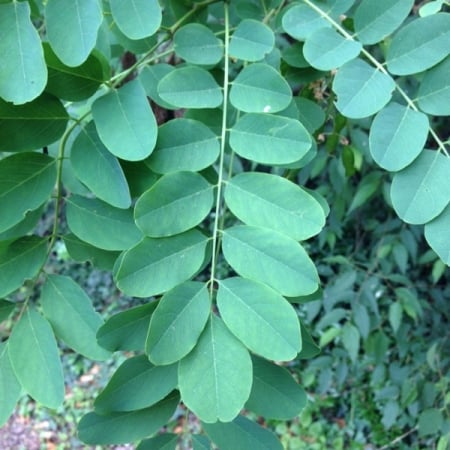
Black locust
Robinia pseudoacacia
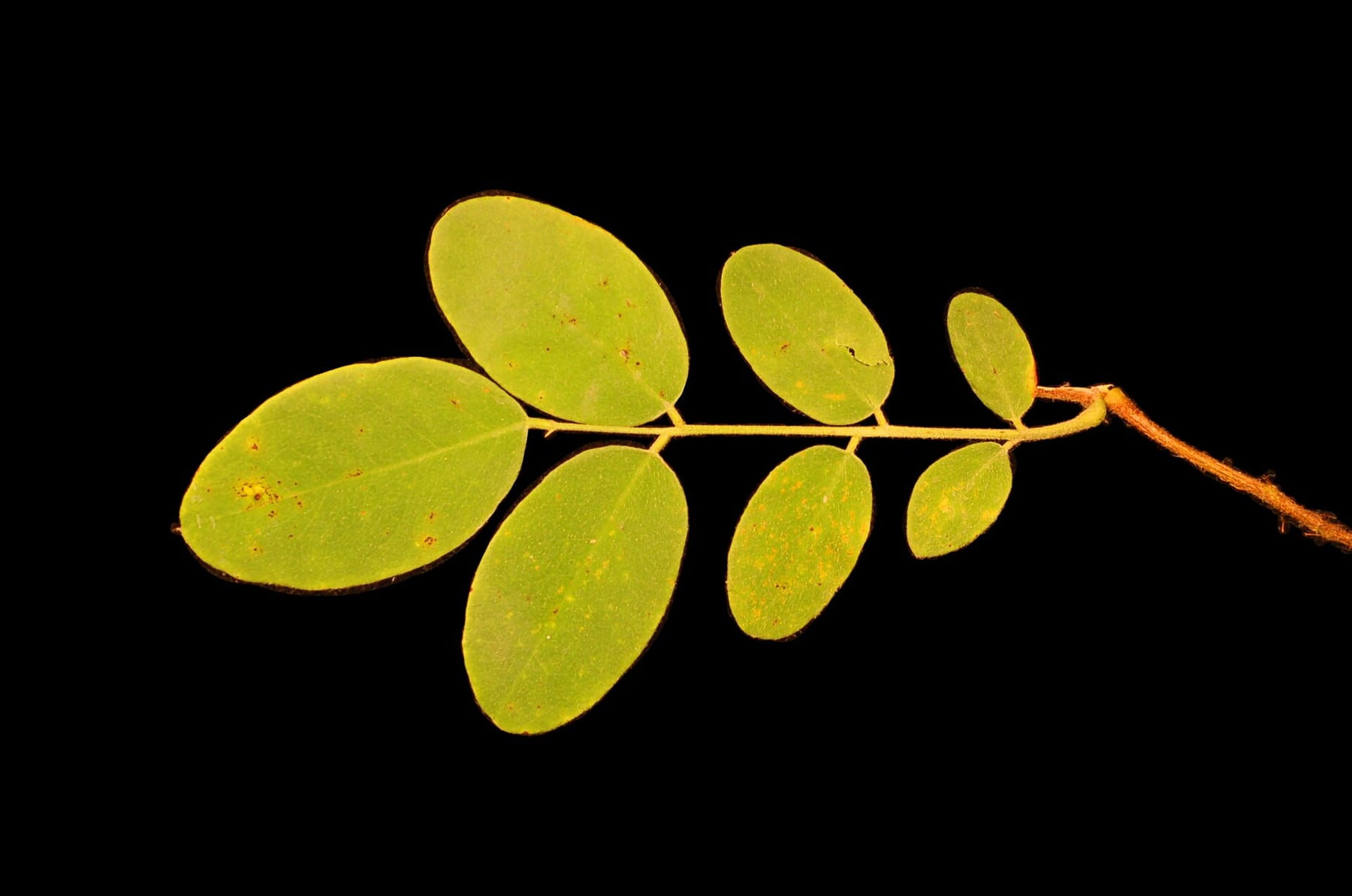
Rose acacia
Robinia hispida
The rose acacia remains a low shrub with stems bristling with stiff reddish hairs and large pink flowers, whereas the false acacia is a large tree with fissured bark and fragrant white flowers in drooping clusters.
🍃 Leaves
Compound, 9 to 19 ovate leaflets, two short spines at the base of the petiole
Deciduous, compound, pinnate, with rounded bright green leaflets
🌸 Flowers
Large drooping white clusters, highly fragrant
Pink to bright pink, in drooping clusters, larger than those of the false acacia
🍎 Fruits
Flat brown pods persisting through winter
Flattened pods covered in stiff, glandular hairs
🪵 Bark
Grey, very deeply fissured in a diamond-shaped network
Reddish-brown, young twigs bristling with characteristic reddish bristles
📏 Size
15 to 25 m tall
1.5 to 2.5 m tall
🗺️ Habitat
Banks, waste ground, widely planted and naturalised
Sunny beds and banks, ordinary even poor soil, suckers readily
⚠️ Toxicity
Bark, leaves and seeds toxic if ingested (robinin and other compounds), causing digestive upset; flowers edible
Seeds and bark contain toxic substances (as in the false acacia), not to be ingested
🔎 And from the Rose acacia side
The false acacia is a large tree with fissured bark and fragrant white flowers in drooping clusters, whereas the rose acacia remains a low shrub with stems bristling with stiff reddish hairs and large pink flowers.
🌿 Go further
Want to practise spotting these details on real photos? Floraneo offers profiles and quizzes for dozens of look-alike species.
ℹ️ Educational profile — do not use it to judge whether a plant is edible or safe.