Alpine currant or Redcurrant: how to tell them apart?
Alpine currant and Redcurrant look alike and are often mixed up. Here is how to tell them apart, feature by feature, with their photos and the details to look for.
⚡ The quick answer
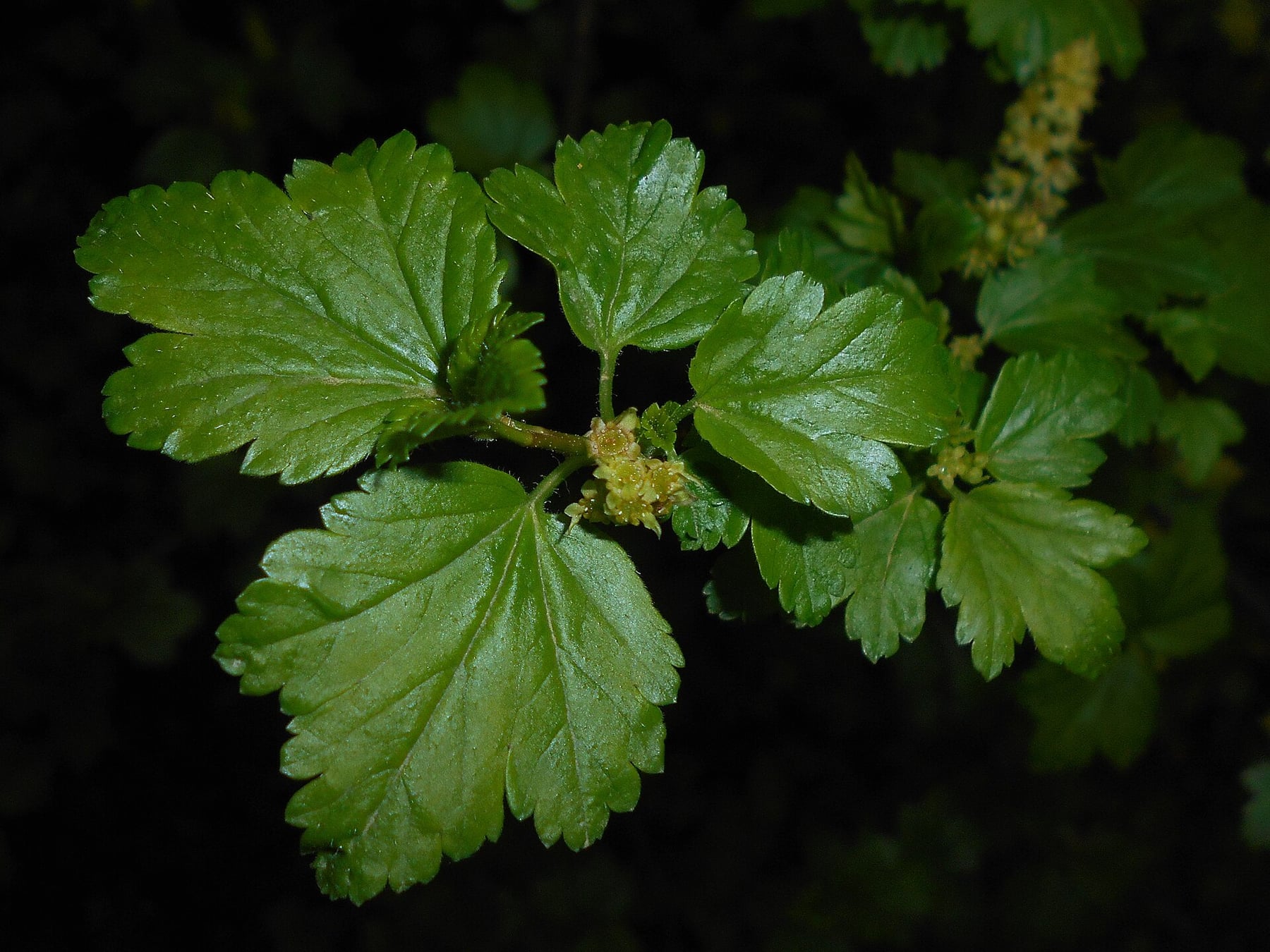
Alpine currant
Ribes alpinum
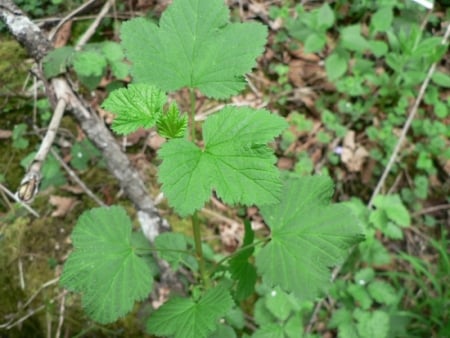
Redcurrant
Ribes rubrum
Alpine currant resembles redcurrant in its thornless habit and small red berries, but its greenish-yellow flowers are gathered in upright (not pendent) racemes, its leaves are smaller and not aromatic when crushed, and above all its berries are bland and of no culinary interest, unlike those of the redcurrant.
🍃 Leaves
Small (3 to 5 cm), palmate, 3 to 5 toothed lobes, almost hairless, satiny, not aromatic when crushed unlike blackcurrant
Palmate, 3 to 5 toothed lobes, somewhat like a gooseberry leaf
🌸 Flowers
Small, greenish-yellow, gathered in upright racemes (unlike the pendent racemes of the redcurrant); dioecious plant, male flowers with more stamens than female flowers
Small, greenish, in inconspicuous pendent racemes
🍎 Fruits
Small smooth, shiny red berries, in groups of 2-3 in upright racemes, edible but bland and insipid
Clusters of small translucent red berries, tart
🪵 Bark
Grey-brown, thornless
Grey-brown, thornless
📏 Size
1 to 1.3 m tall
1 to 1.5 m tall
🗺️ Habitat
Mountain woods and rocky ground in the wild, also very widely planted in clipped urban hedges
Cool hedgerows, light woodland, often cultivated
⚠️ Toxicity
No known toxicity; berries edible but insipid, of no culinary interest
No known toxicity; fruits edible.
🔎 And from the Redcurrant side
Alpine currant resembles redcurrant in its thornless habit and small red berries, but its greenish-yellow flowers are gathered in upright (not pendent) racemes, its leaves are smaller and not aromatic when crushed, and above all its berries are bland and of no culinary interest, unlike those of the redcurrant.
🌿 Go further
Want to practise spotting these details on real photos? Floraneo offers profiles and quizzes for dozens of look-alike species.
ℹ️ Educational profile — do not use it to judge whether a plant is edible or safe.