Aleppo pine or Maritime pine: how to tell them apart?
Aleppo pine and Maritime pine look alike and are often mixed up. Here is how to tell them apart, feature by feature, with their photos and the details to look for.
⚡ The quick answer
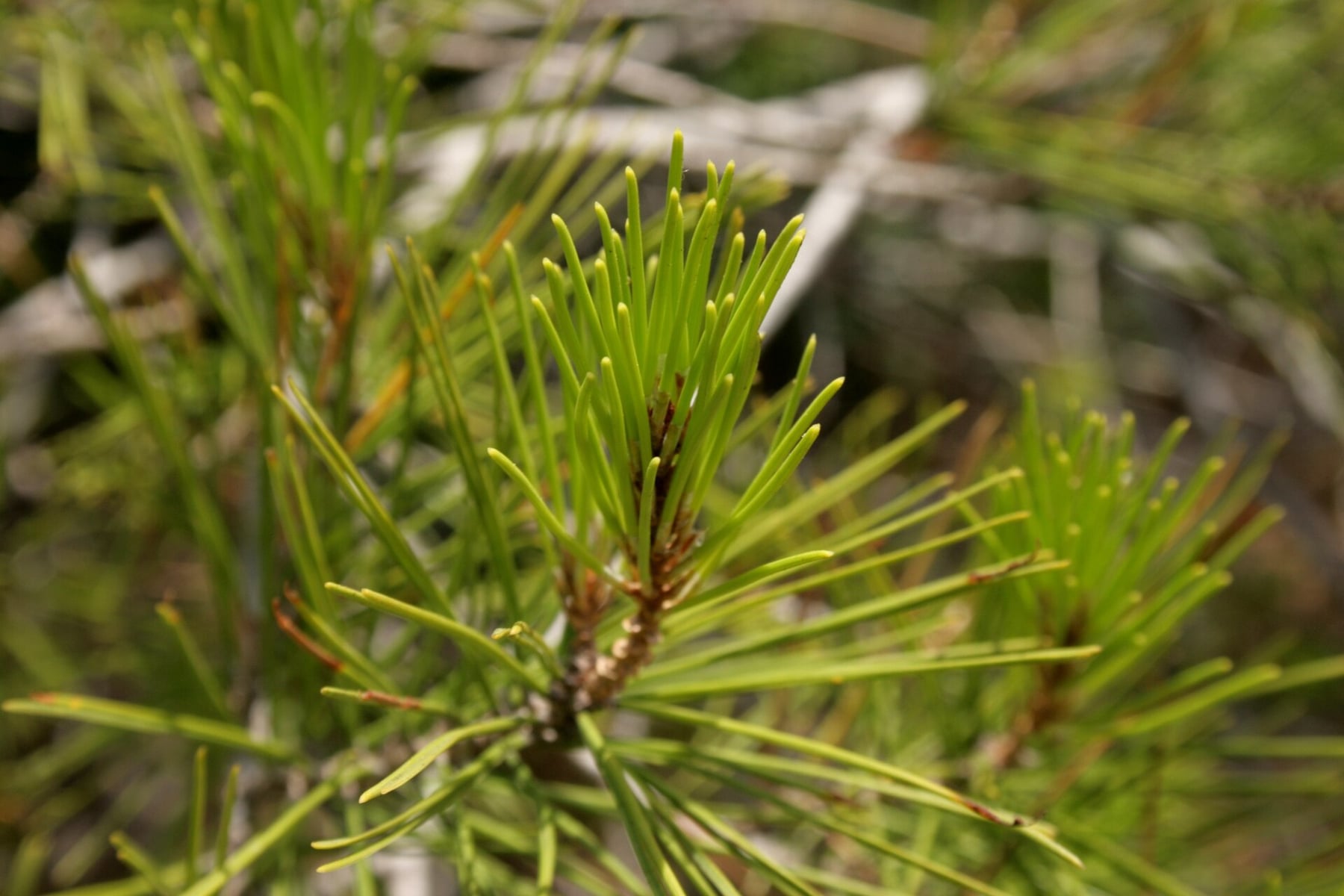
Aleppo pine
Pinus halepensis
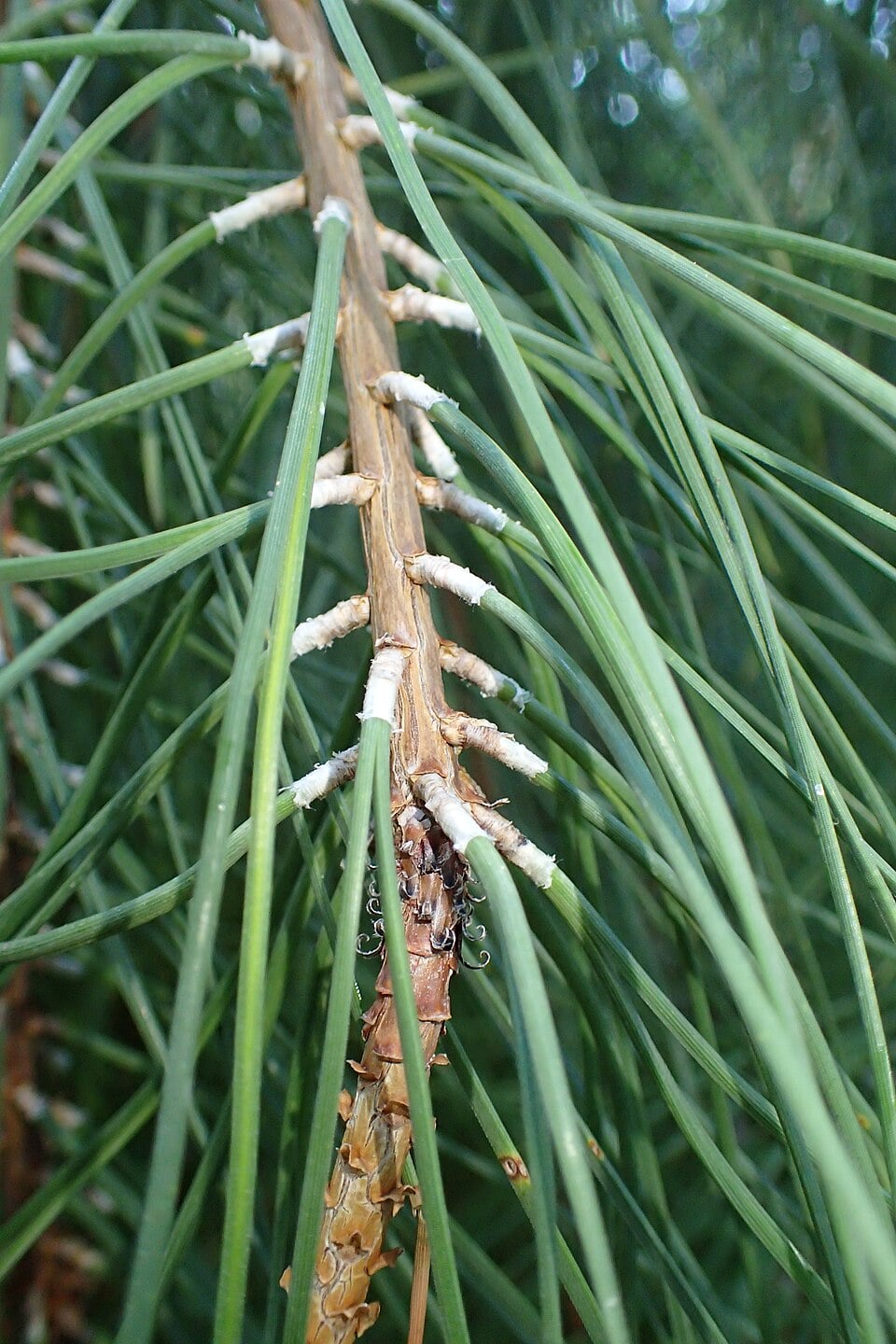
Maritime pine
Pinus pinaster
Maritime pine has thick, deeply fissured red-brown bark and very long, rigid needles in pairs, whereas Aleppo pine has paler greyish bark, an often twisted silhouette and finer, more flexible needles.
🍃 Leaves
Evergreen, fine, flexible needles in pairs, light green
Very long, stiff needles (10 to 25 cm), in pairs, bright green to yellowish-green
🌸 Flowers
Yellow male cones grouped at the base of the young shoots
Numerous bright yellow male catkins in spring, female cones reddish then green
🍎 Fruits
Small glossy reddish-brown cones, borne on a recurved stalk, which can remain closed for several years
Large glossy conical cones 10 to 20 cm long, shiny brown, with thick scales ending in a sharp point
🪵 Bark
Grey then reddish-brown, cracking into elongated plates
Thick red-brown bark, deeply fissured into broad plates, base of the trunk often blackened
📏 Size
10 to 20 m tall
20 to 35 m tall, trunk often crooked at the base
🗺️ Habitat
Very common on the hills and garrigue of the French Mediterranean coast
Coastal forests and dunes (the Landes forest in particular), plantations on poor sandy soils and gardens of the Atlantic and Mediterranean coasts
⚠️ Toxicity
—
Non-toxic
🔎 And from the Maritime pine side
Aleppo pine has paler greyish bark and an often twisted, sparse silhouette, with fine, flexible needles, whereas maritime pine has thick, deeply fissured red-brown bark and very long, rigid needles.
🌿 Go further
Want to practise spotting these details on real photos? Floraneo offers profiles and quizzes for dozens of look-alike species.
ℹ️ Educational profile — do not use it to judge whether a plant is edible or safe.