Tatarian dogwood or Common dogwood: how to tell them apart?
Tatarian dogwood and Common dogwood look alike and are often mixed up. Here is how to tell them apart, feature by feature, with their photos and the details to look for.
⚡ The quick answer
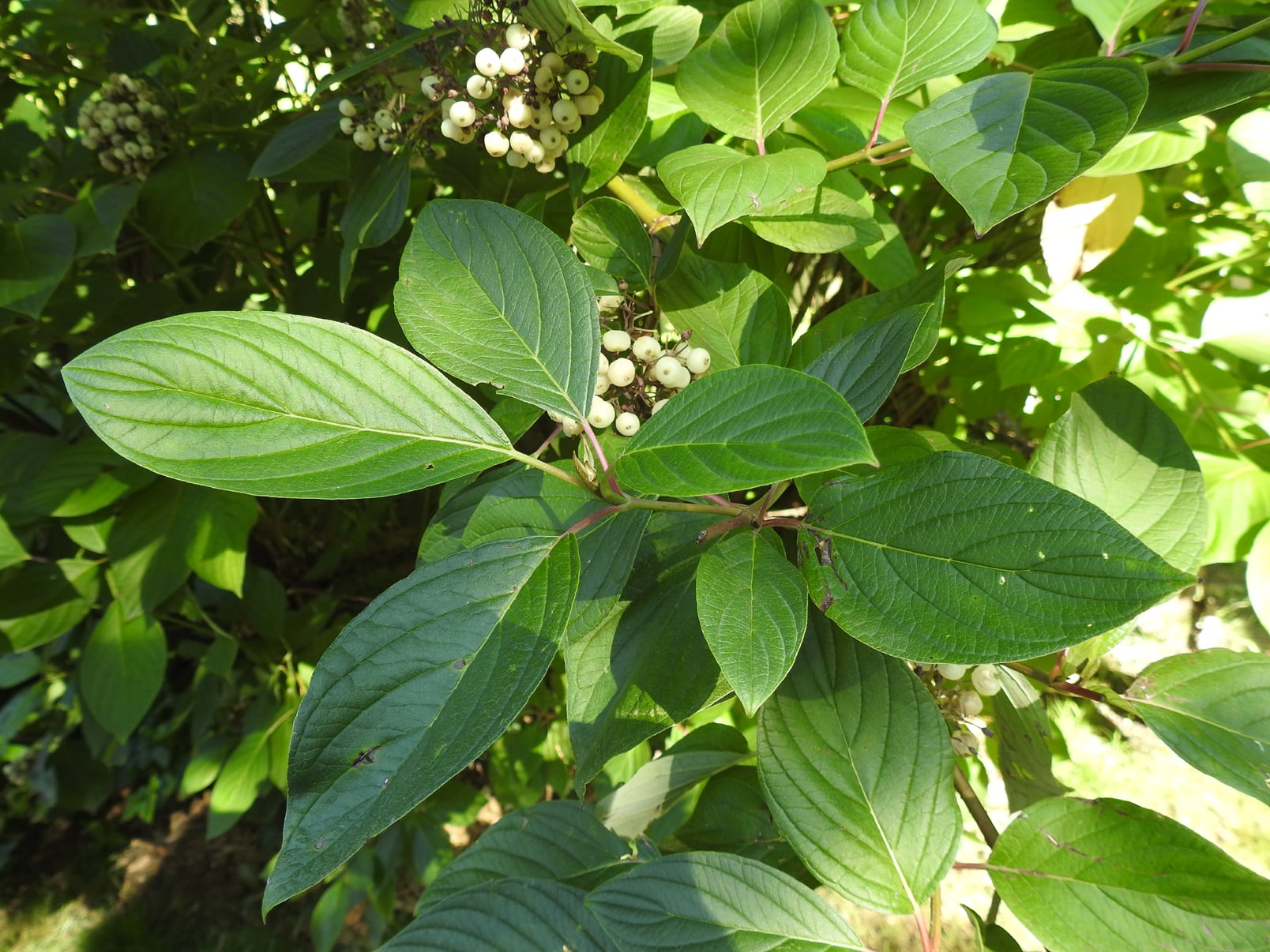
Tatarian dogwood
Cornus alba
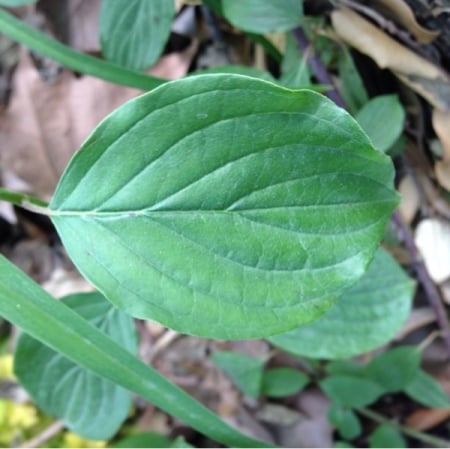
Common dogwood
Cornus sanguinea
Tatarian dogwood: young twigs often bright red and fruits white to bluish-white. Common dogwood: twigs often dark red and fruits black. Twig colour varies with season and exposure, so fruits and leaves complete the identification.
🍃 Leaves
Deciduous, ovate, bright green, turning red in autumn
Opposite, ovate, clearly visible arching veins, dark red in autumn
🌸 Flowers
Small cream-white flowers in flat corymbs
Small flat white corymbs
🍎 Fruits
Small white to bluish-white drupes, often grouped in clusters; they are mainly eaten by wildlife and should not be presented as everyday food fruits for humans.
Small blue-black to black drupes when ripe, gathered in loose clusters.
🪵 Bark
Bright red young twigs, very decorative in winter
Young twigs often reddish to dark red, especially in winter; the shade can vary with exposure and the age of the twigs.
📏 Size
1.5 to 3 m tall
2 to 4 m tall
🗺️ Habitat
Borders, riverbanks, gardens, cool soils
Hedges, woodland edges, thickets
⚠️ Toxicity
No known toxicity; fruits unappetising but not toxic.
Fruits mildly purgative and not recommended for human consumption (digestive upset if eaten), unappetising.
🔎 And from the Common dogwood side
Common dogwood has thinner blood-red twigs and black fruits, whereas Tatarian dogwood has stouter twigs, often variegated in garden varieties, and characteristic white fruits.
🌿 Go further
Want to practise spotting these details on real photos? Floraneo offers profiles and quizzes for dozens of look-alike species.
ℹ️ Educational profile — do not use it to judge whether a plant is edible or safe.