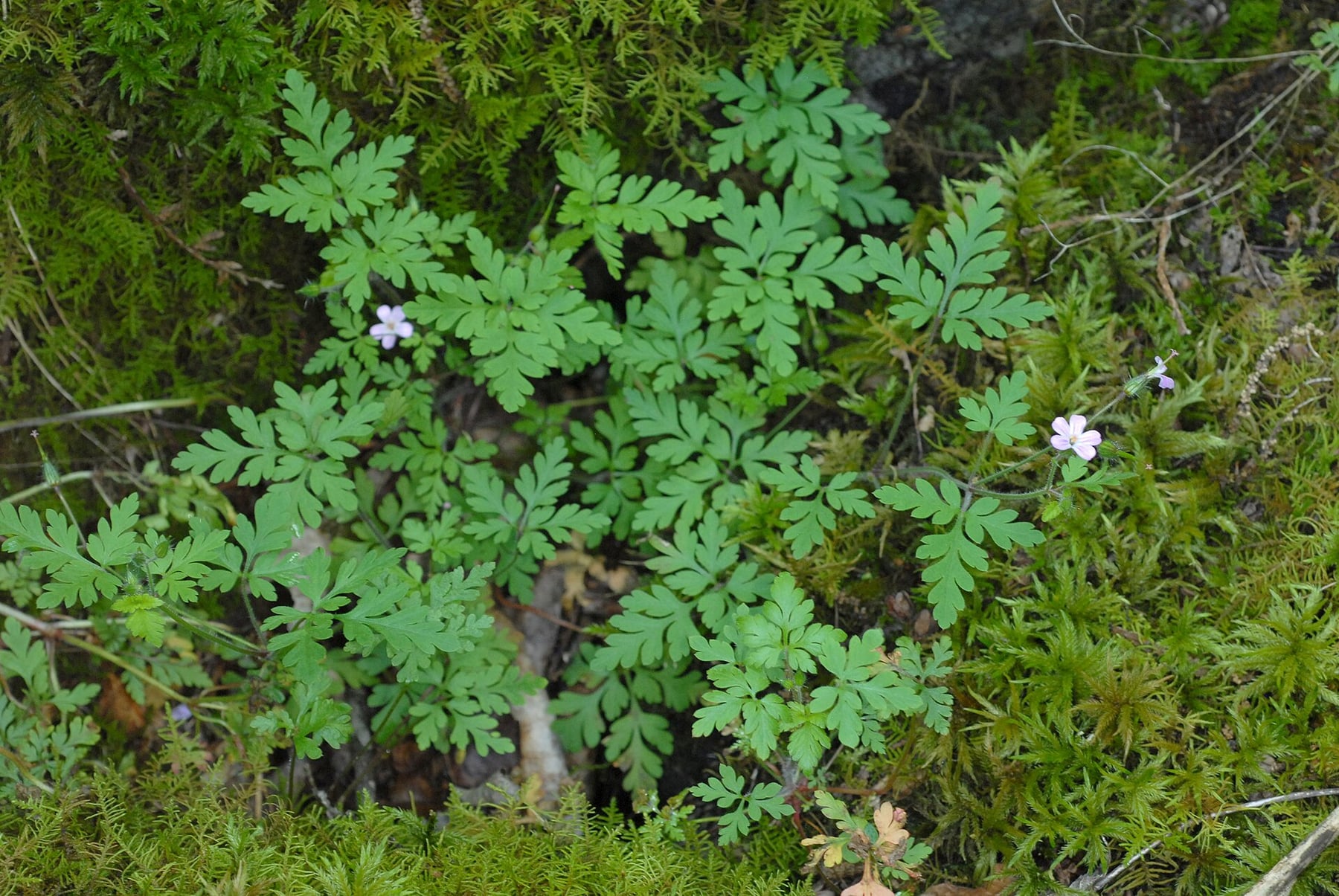
A close cousin of meadow cranesbill, it is distinguished by its smaller flowers with a characteristic white centre. Wood cranesbill is smaller, with pale blue-violet flowers and slender, drooping stems, whereas meadow cranesbill has larger flowers in a stronger blue-violet, borne on upright stems in a clump.
🍃 Leaves
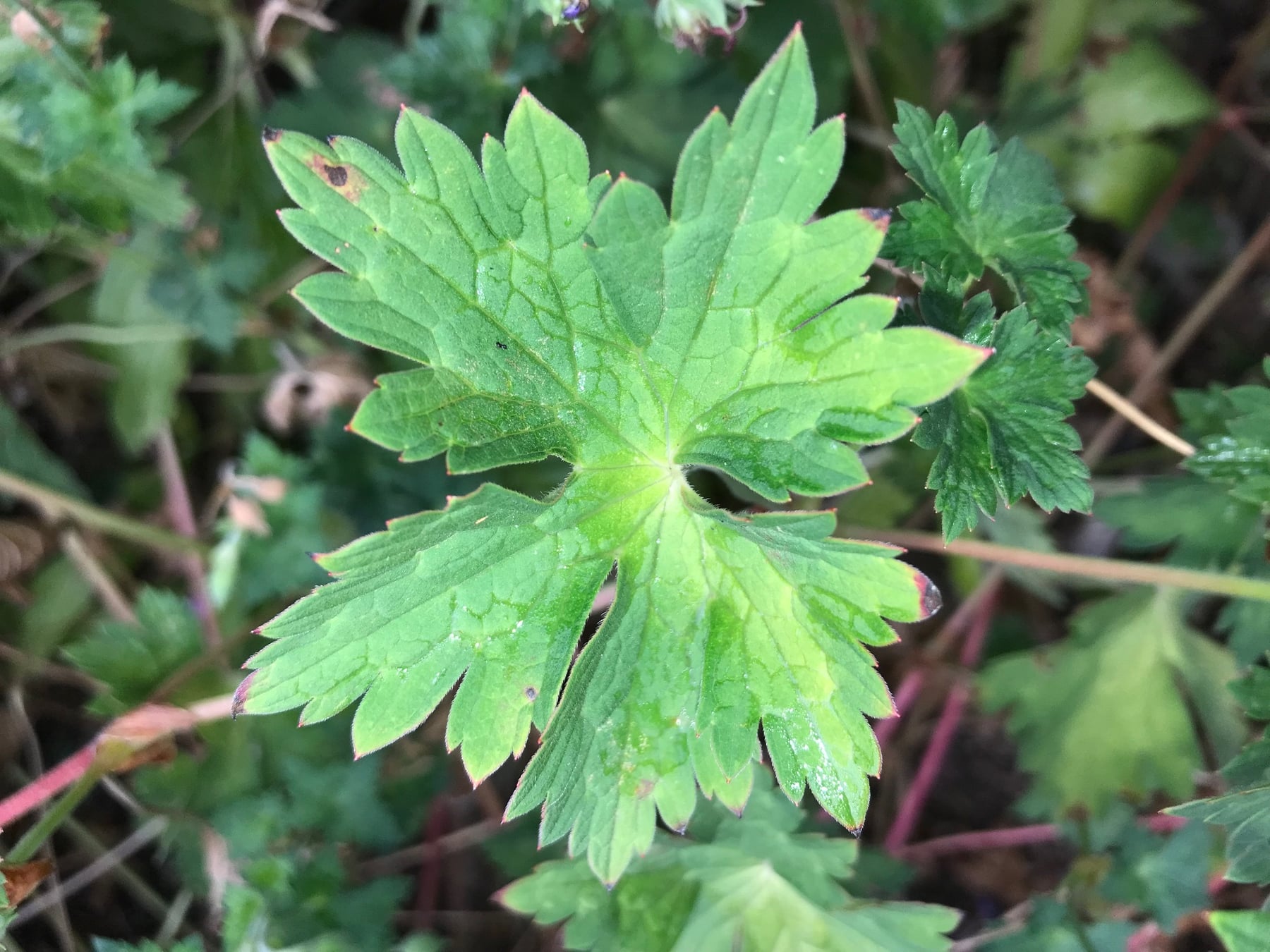
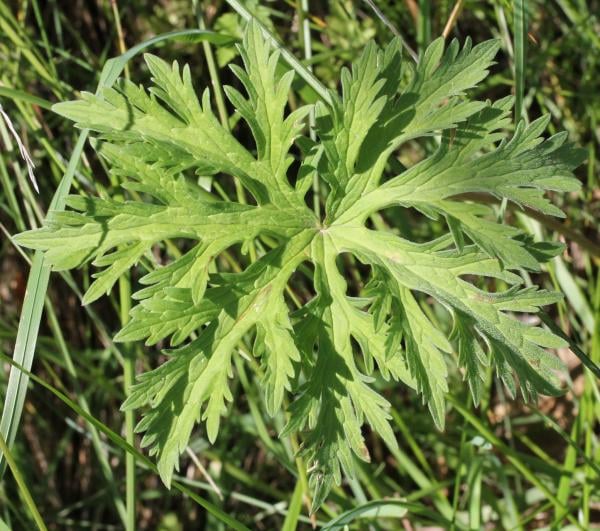
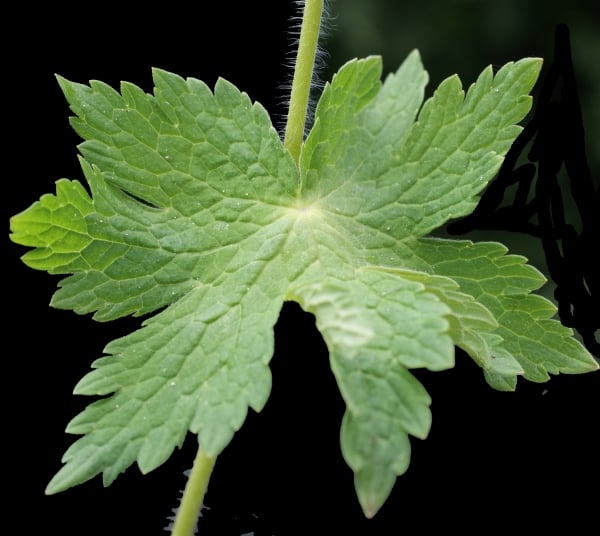
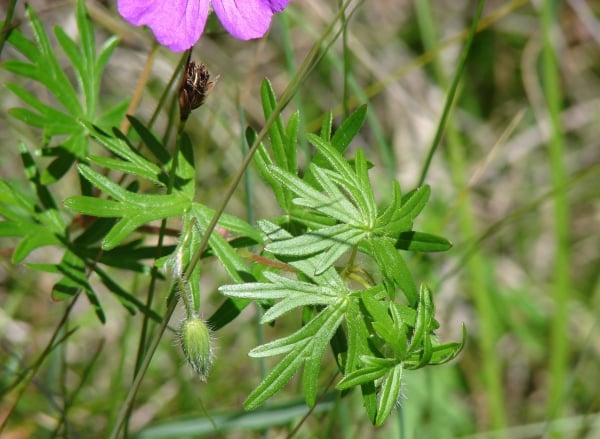
Deeply cut into toothed lobes, bright green
🌸 Flowers
Violet-blue flowers with a white centre, veined
🍎 Fruits
Fruits with an elongated beak
🪵 Bark
Upright clump, hairy stems
🗺️ Distribution
Europe; found in open woods and mountain meadows, rather localised in France outside mountain areas.
🐝 Value for pollinators
Blue-violet nectar-bearing flowers visited by bees and bumblebees in early summer.
✂️ Horticultural uses
Shady borders, open woodland, edgings; abundant summer flowering.
Wood cranesbill is smaller, with pale blue-violet flowers and slender, drooping stems, whereas meadow cranesbill has larger flowers in a stronger blue-violet, borne on upright stems in a clump.
Before flowering, the broadly lobed, toothed leaves look very similar in the two species, in woodland as in the garden. The flower tells them apart at once: blue-violet with a white centre in wood cranesbill, against dark brown-purple with petals reflexed backwards in dusky cranesbill.