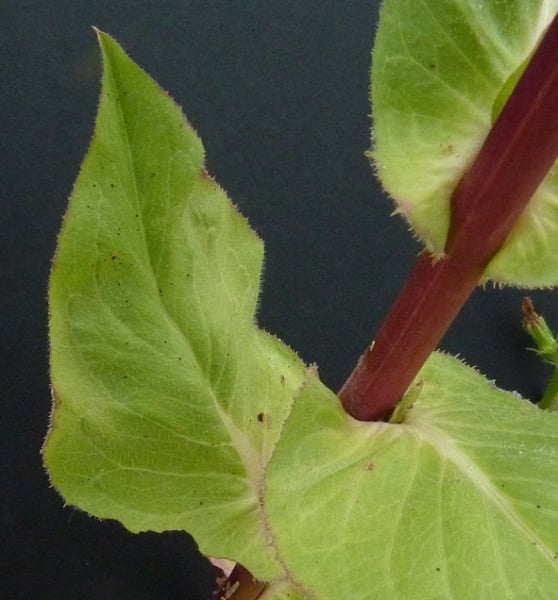
Leaf
Bertrand Bui, Tela Botanica · CC BY-SA 2.0
Witloof chicory
Cichorium intybus var. foliosum (Hegi) Janch. ex Bischoff
Also known as: Belgian endive
Family: Asteraceae
20 to 40 cm as a rosette, up to 1 m in flower
Grown in vegetable gardens, rich, deep soils
Flowering: June – August if left to run to seed
Full sun
Fairly hardy, withstands light frosts
❓ How do you recognise this plant?
Chicory (witloof) is obtained by forcing the chicory root to regrow in total darkness, which prevents photosynthesis and produces these tightly packed white leaves with a slightly yellow heart. It is the same species grown differently: wild chicory grows in full light with green, bitter leaves, whereas witloof is the same plant forced in darkness to obtain its white, tight heart.
🍃 Leaves
White to pale yellow, tightly packed into a compact, elongated heart (the chicon), smooth and crisp, obtained by forcing the root in total darkness
🌸 Flowers
Light blue to blue flower head, similar to that of wild chicory, appearing on plants that have bolted (not to be confused with the commercial blanched vegetable, which is the forced root, not the flower).
🍎 Fruits
Achene topped with a small crown of scales
🪵 Bark
Cultivated biennial herbaceous plant, forming a rosette of leaves then a flowering stem if it runs to seed.
🗺️ Distribution
Grown throughout France, biennial plant
🐝 Value for pollinators
Nectar-rich flower heads when the mother plant is left to flower before the root is harvested
✂️ Horticultural uses
Root forced in darkness in a cellar or dark room to produce the chicon, an autumn and winter vegetable-garden crop
⚠️ Possible toxicity
No known toxicity — leaves edible
⚠️ Look-alike species
Witloof chicory
Cichorium intybus var. foliosum
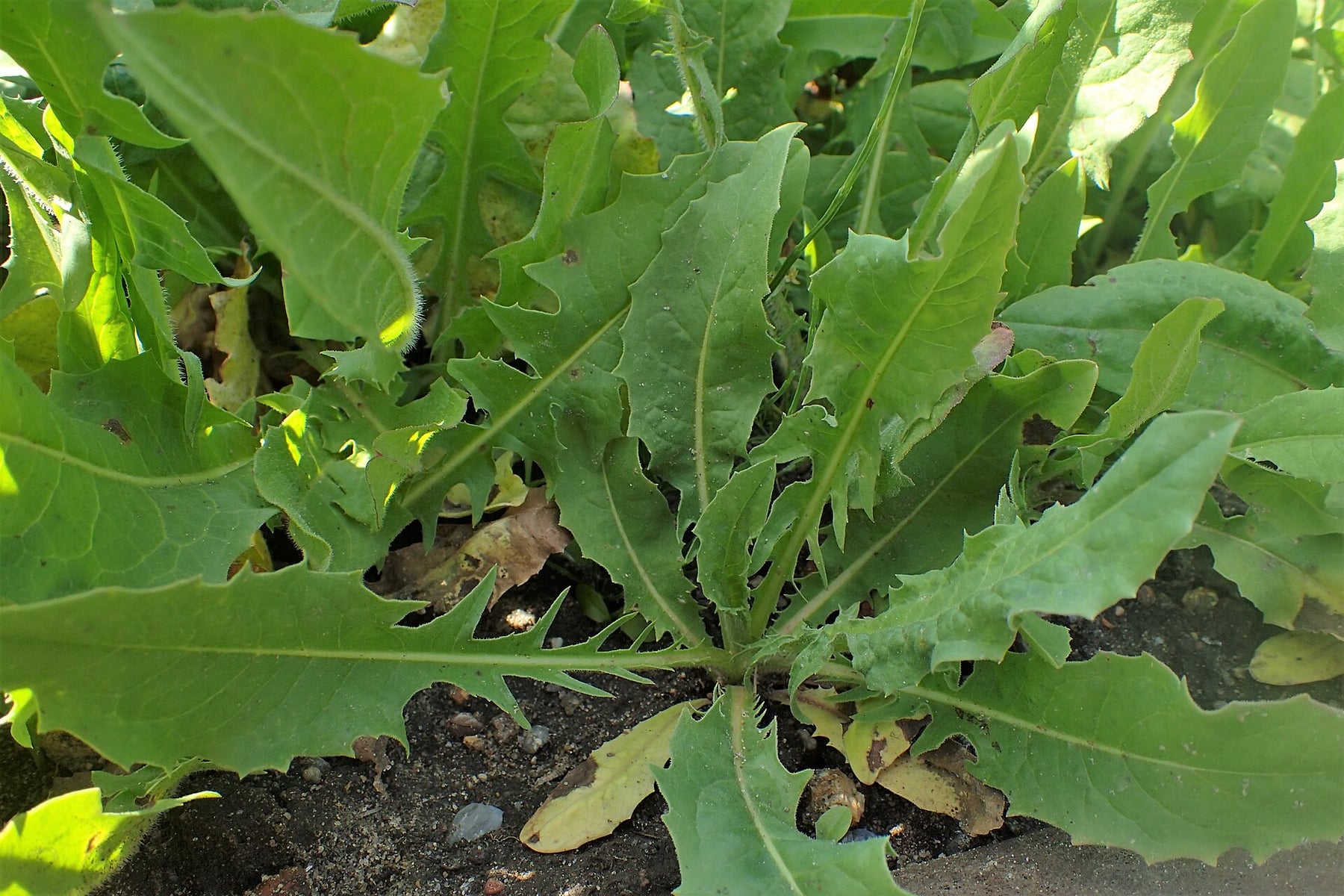
Chicory
Cichorium intybus
It is the same species grown differently: wild chicory grows in full light with green, bitter leaves, whereas witloof is the same plant forced in darkness to obtain its white, tight heart.
🌿 Other Asteraceae to discover


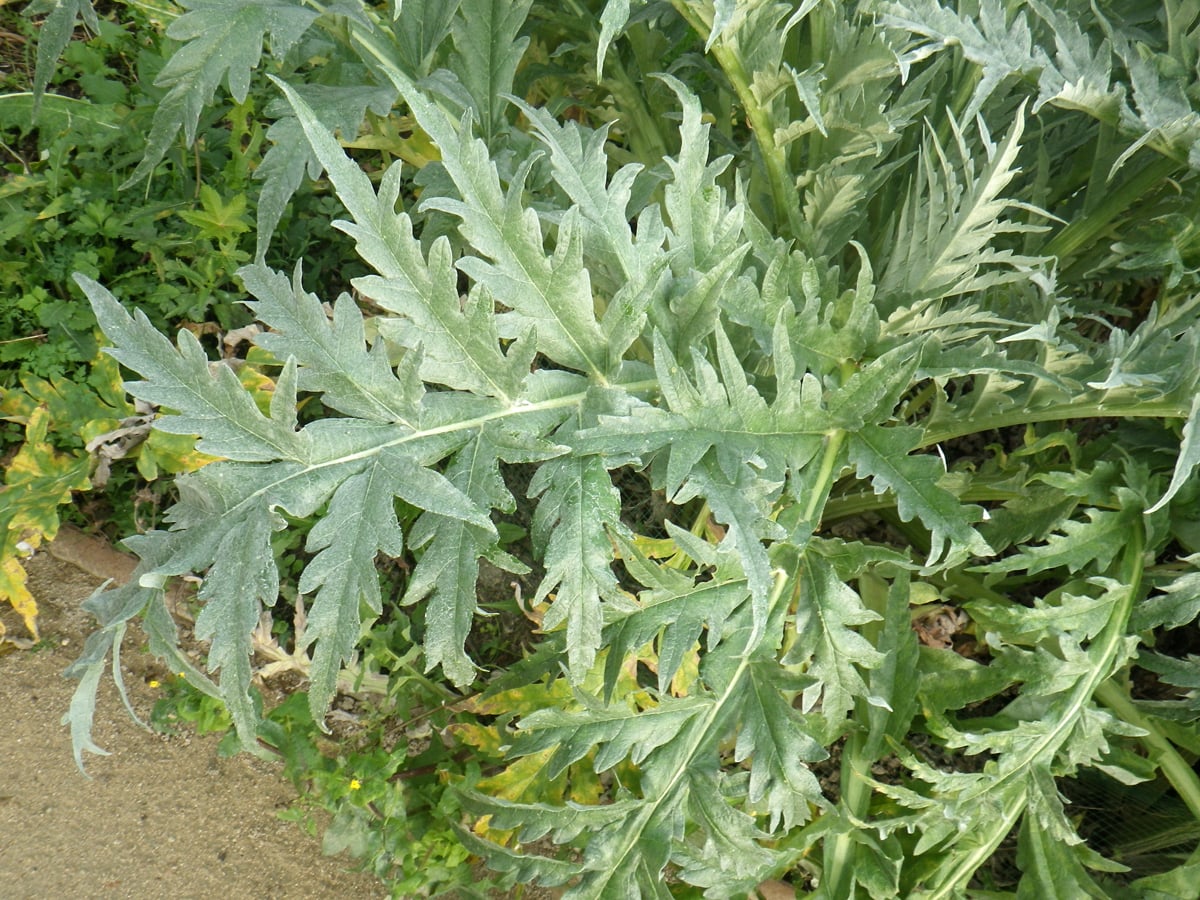
ℹ️ Educational profile — do not use it to judge whether a plant is edible or safe.
🌱 This database is constantly evolving — species and information are added and corrected regularly. Spotted a mistake? Report it below.
© Floraneo — profile content is protected; reproduction without permission is prohibited. Photos remain under their own licence (see the credit shown on each photo).