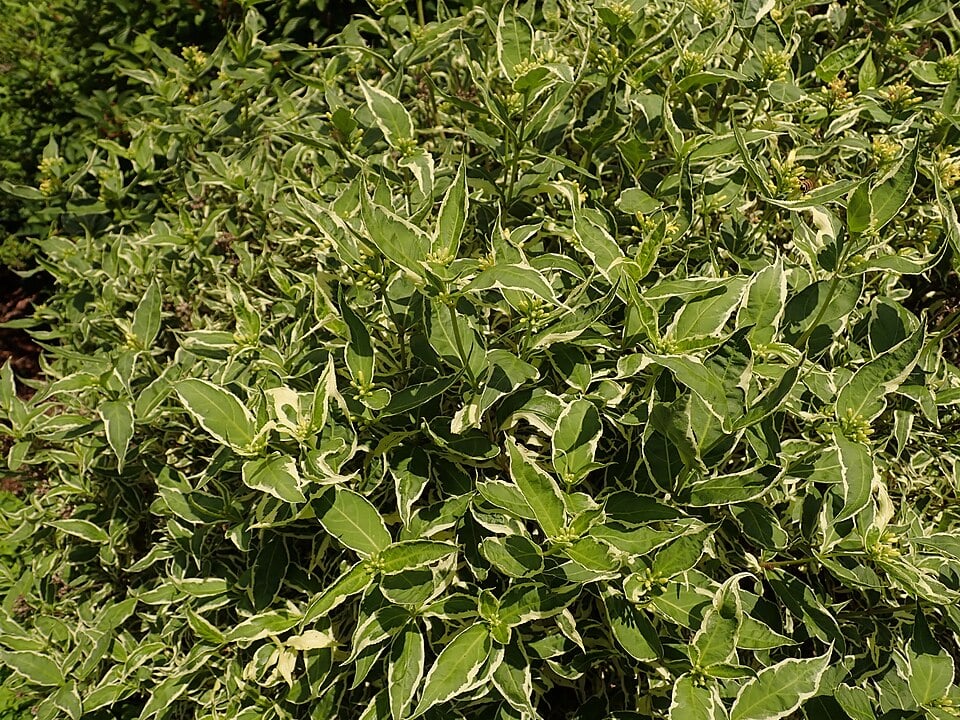
Leaf
florentp, Tela Botanica · CC BY-SA 2.0
Winter honeysuckle
Lonicera fragrantissima Lindl. & Paxton
Also known as: Fragrant honeysuckle
Family: Caprifoliaceae
- 2 to 3 m tall and as wide
- Hedges, borders and gardens; native to China, widely planted for its fragrant flowers in midwinter
- Full sun, Part shade
- Very hardy, to -25°C
In flower from December to March
4 months❓ How do you recognise this plant?
It flowers in the depths of winter, sometimes under snow, and gives off a lemon scent noticeable from several metres away. Winter honeysuckle flowers from December to March with small, very fragrant cream-white flowers and keeps part of its leaves; fly honeysuckle flowers in May-June with pale yellow, hardly scented flowers, loses its leaves in winter and bears toxic paired red berries.
🍃 Leaves
Opposite, ovate, 3 to 8 cm, dull dark green above and bluish beneath, semi-evergreen
🌸 Flowers
Small two-lipped cream-white flowers, very fragrant (lemon), in pairs in the leaf axils in winter
🍎 Fruits
Bright red berries fused in pairs, ripening in spring
🪵 Bark
Light brown, becoming shaggy with age
Distribution, pollinators, uses
🗺️ Distribution
China; cultivated in Europe, sometimes self-seeding
🐝 Value for pollinators
Winter flowers, a rare nectar source for bees and bumblebees that fly on mild days
✂️ Horticultural uses
Informal hedge and fragrant border shrub that flowers in midwinter; hardy and undemanding
⚠️ Possible toxicity
Berries slightly toxic (nausea, diarrhoea); do not eat them
⚠️ Look-alike species
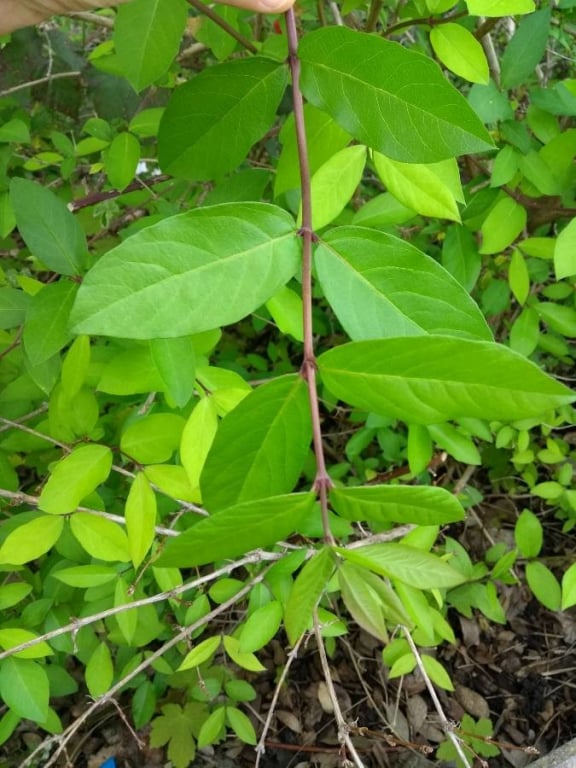
Winter honeysuckle
Lonicera fragrantissima
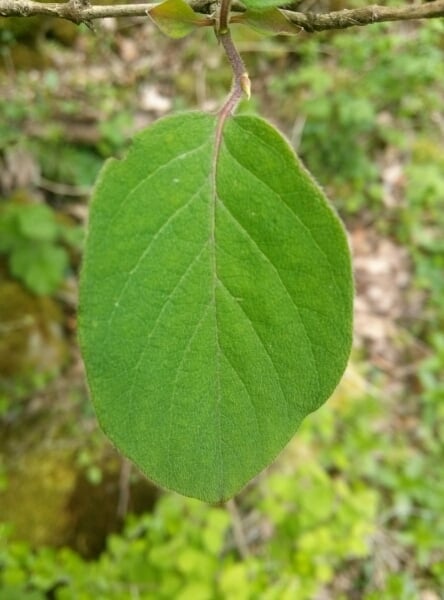
Fly honeysuckle
Lonicera xylosteum
Winter honeysuckle flowers from December to March with small, very fragrant cream-white flowers and keeps part of its leaves; fly honeysuckle flowers in May-June with pale yellow, hardly scented flowers, loses its leaves in winter and bears toxic paired red berries.
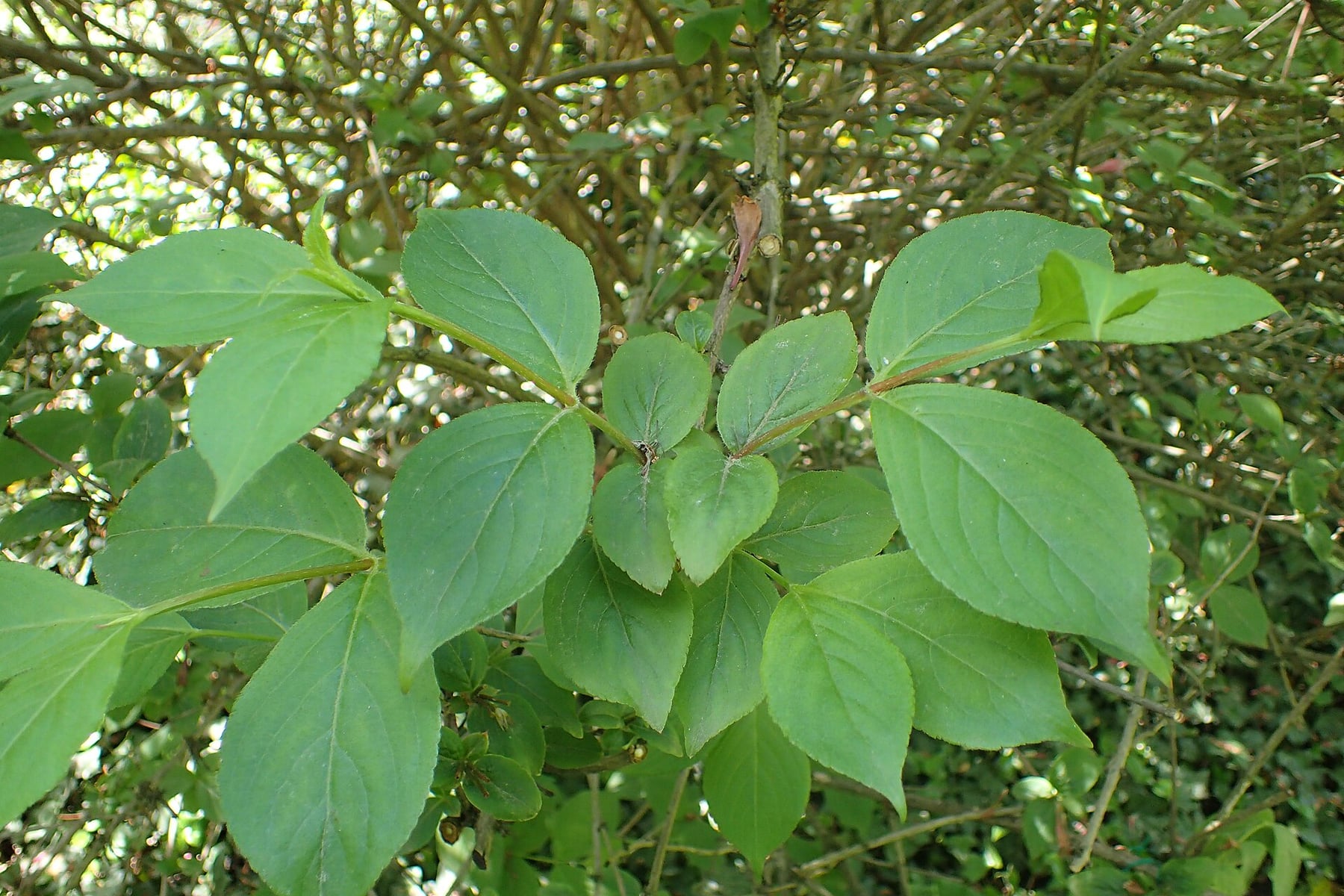
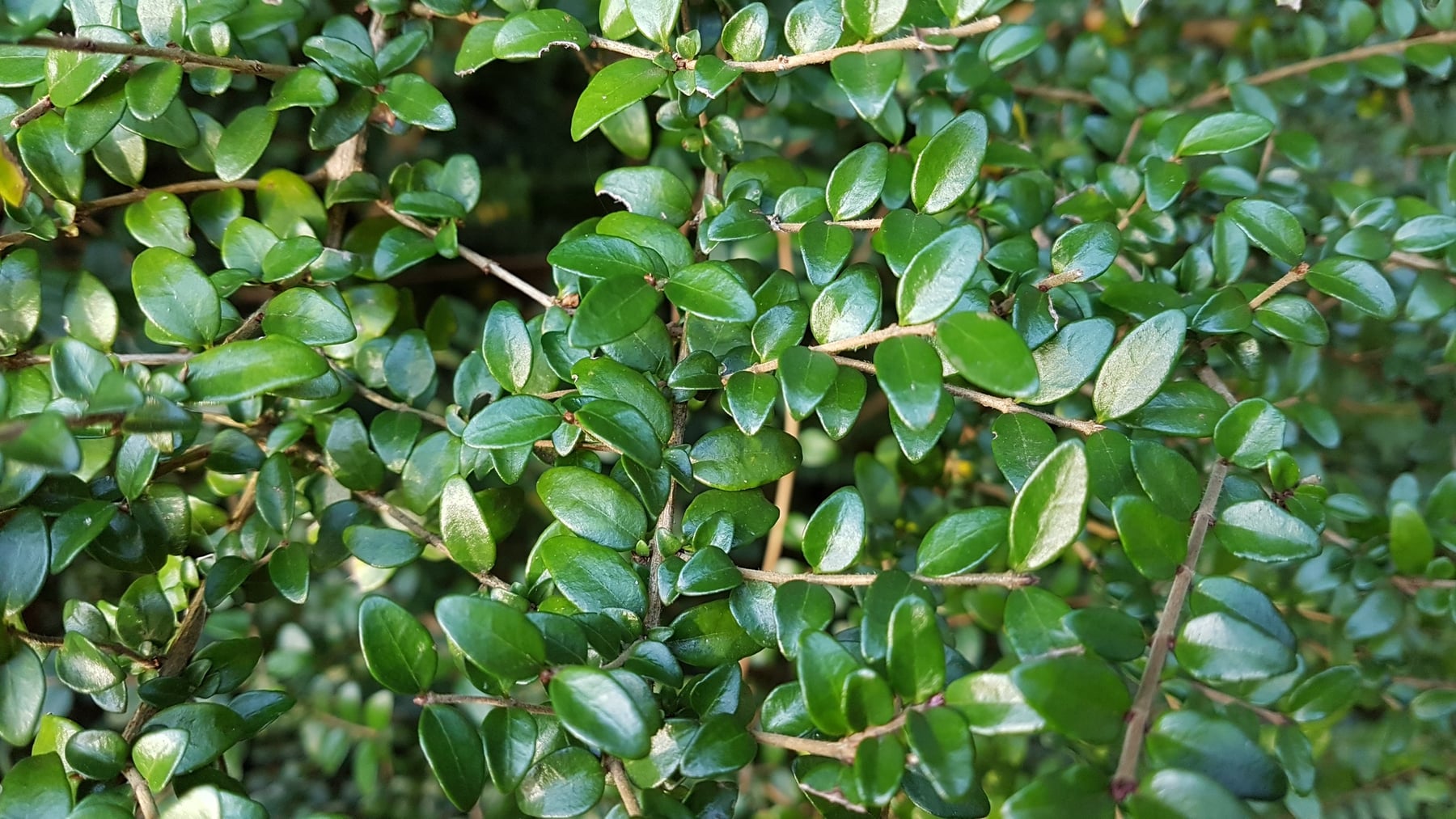
🌿 Other Caprifoliaceae to discover
ℹ️ Educational profile — do not use it to judge whether a plant is edible or safe.
🌱 This database is constantly evolving — species and information are added and corrected regularly. Spotted a mistake? Report it below.
© Floraneo — profile content is protected; reproduction without permission is prohibited. Photos remain under their own licence (see the credit shown on each photo).