Leaf
Christophe Gorla, Tela Botanica · CC BY-SA 2.0
- 40 to 80 cm tall
- Vegetable and herb gardens, dry ground
- Full sun
- -15°C
In flower from July to September
3 months❓ How do you recognise this plant?
The French variety grown for cooking is almost sterile and is propagated only by division of clumps, never by seed. Aromatic foliage of the same genus, Artemisia. Tarragon has narrow, smooth leaves with an aniseed scent, whereas mugwort has more deeply cut leaves, downy beneath, with a more acrid smell.
Learn to recognise it
Herbs and classic vegetable-garden vegetables. This plant is in the lesson “Herbs and classic vegetable-garden vegetables”, with 11 others.
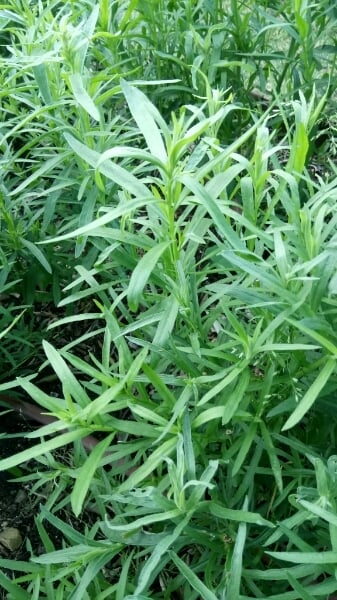
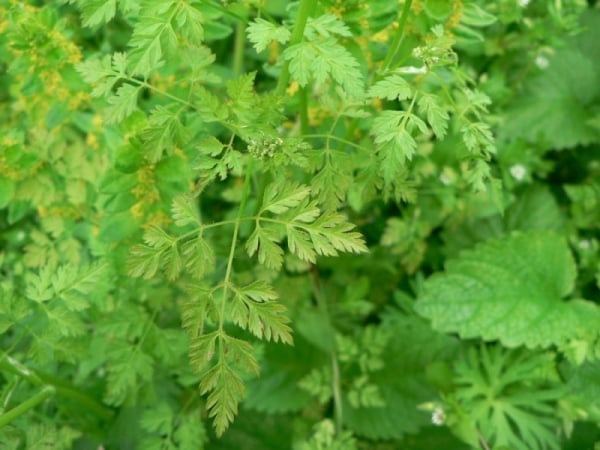
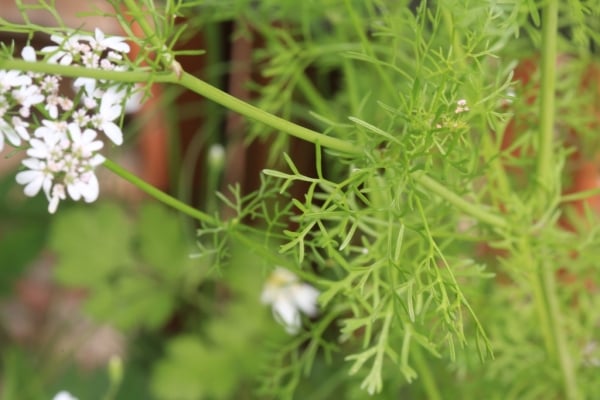
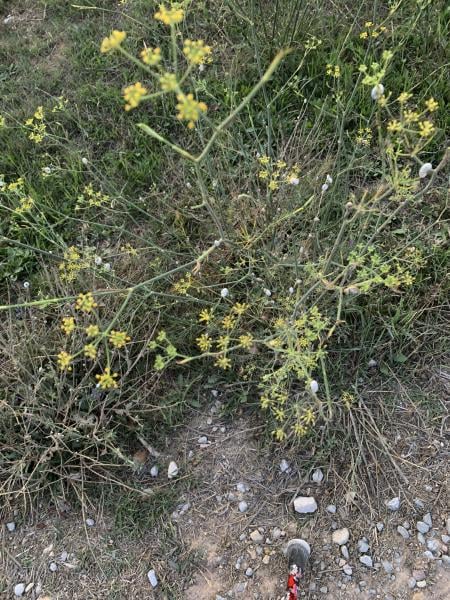
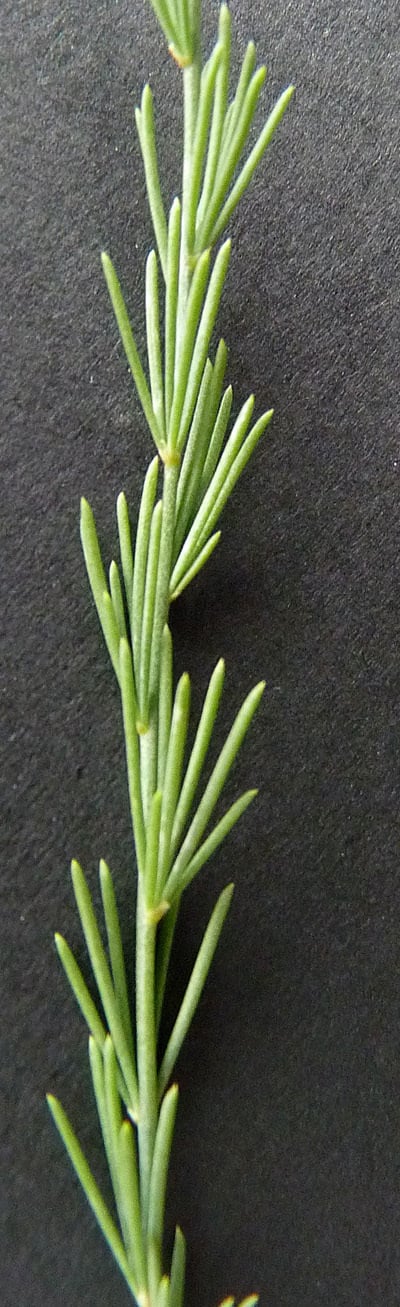
🍃 Leaves
Narrow, lanceolate, entire leaves, glossy dark green, highly aromatic
🌸 Flowers
Tiny greenish-yellow capitula, inconspicuous, in panicles
🍎 Fruits
Tiny achenes, rarely fertile in cultivation (French tarragon is propagated by division)
🌿 Stem and habit
Erect, branched stems, sometimes woody at the base
Distribution, pollinators, uses
🗺️ Distribution
Native to central Asia; widely grown in Europe, notably the 'French tarragon' variety.
🐝 Value for pollinators
Inconspicuous flowering, not very attractive to pollinators compared with other members of the daisy family.
✂️ Horticultural uses
Herb garden, vegetable garden, pot cultivation; highly fragrant foliage, indispensable in French cooking (béarnaise sauce, vinegar).
⚠️ Possible toxicity
Non-toxic at culinary doses; to be consumed in moderation like any plant rich in essential oils.
⚠️ Look-alike species
Tarragon
Artemisia dracunculus
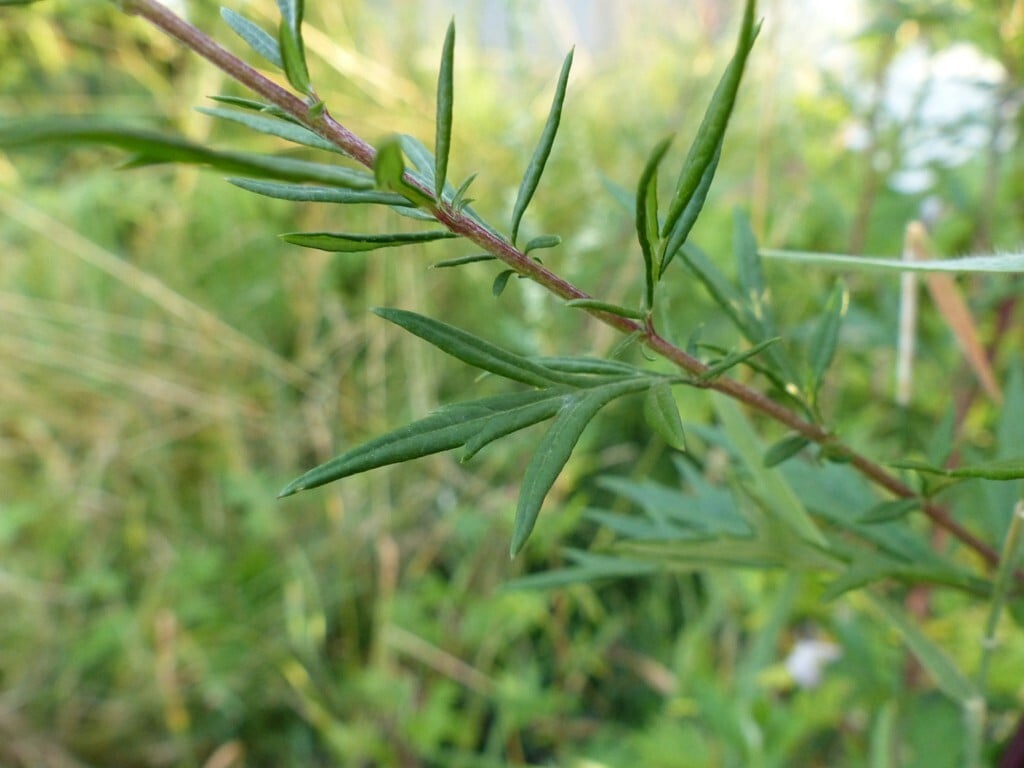
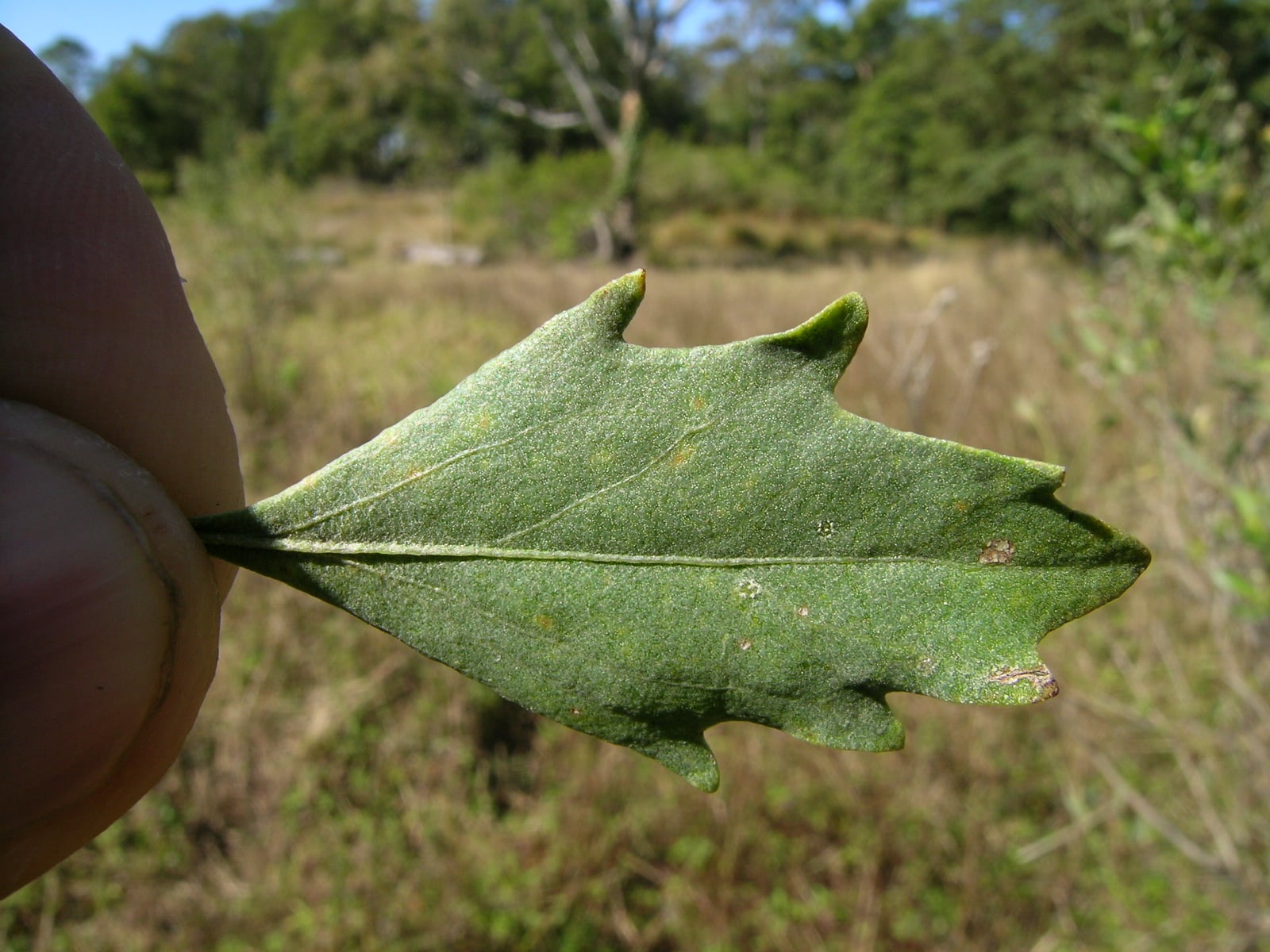
Mugwort
Artemisia vulgaris
Aromatic foliage of the same genus, Artemisia. Tarragon has narrow, smooth leaves with an aniseed scent, whereas mugwort has more deeply cut leaves, downy beneath, with a more acrid smell.
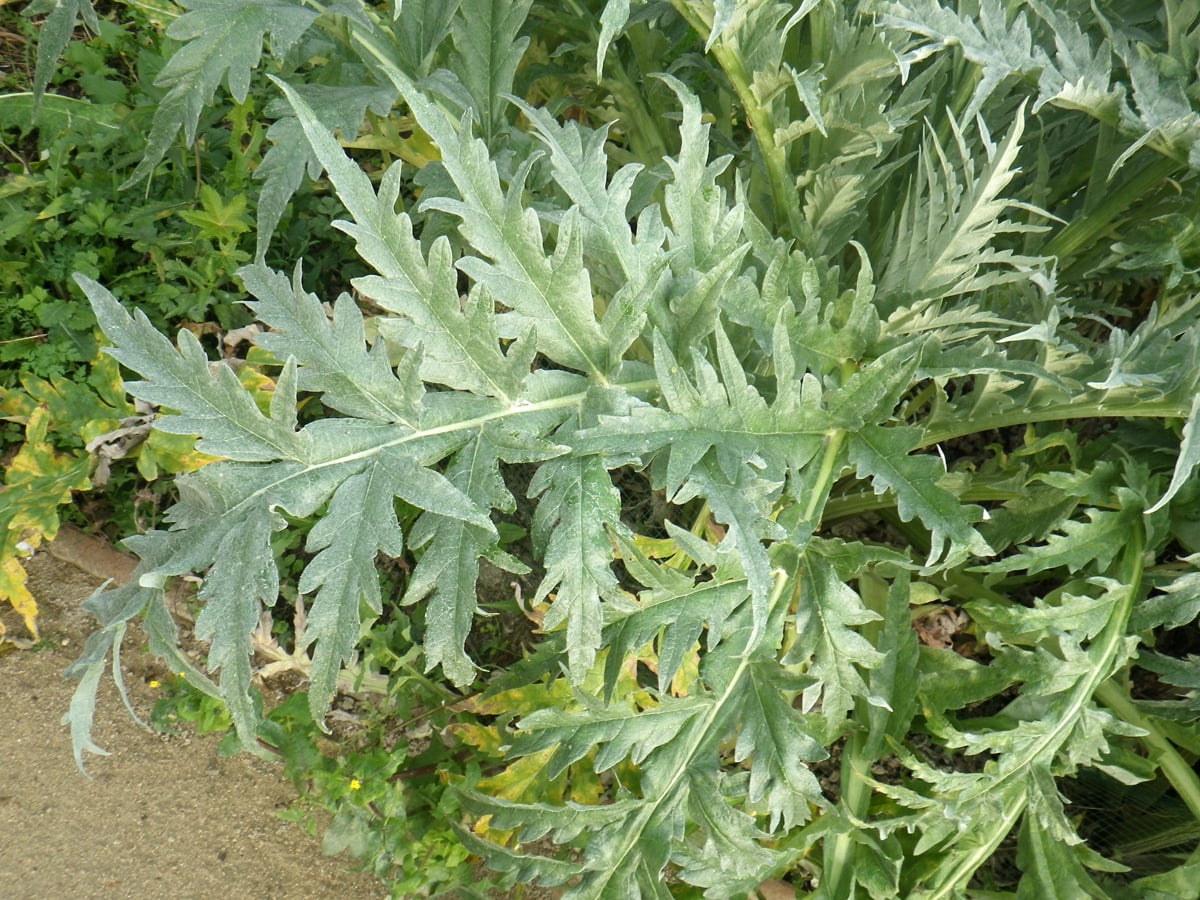
🌿 Other Asteraceae to discover
ℹ️ Educational profile — do not use it to judge whether a plant is edible or safe.
🌱 This database is constantly evolving — species and information are added and corrected regularly. Spotted a mistake? Report it below.
© Floraneo — profile content is protected; reproduction without permission is prohibited. Photos remain under their own licence (see the credit shown on each photo).