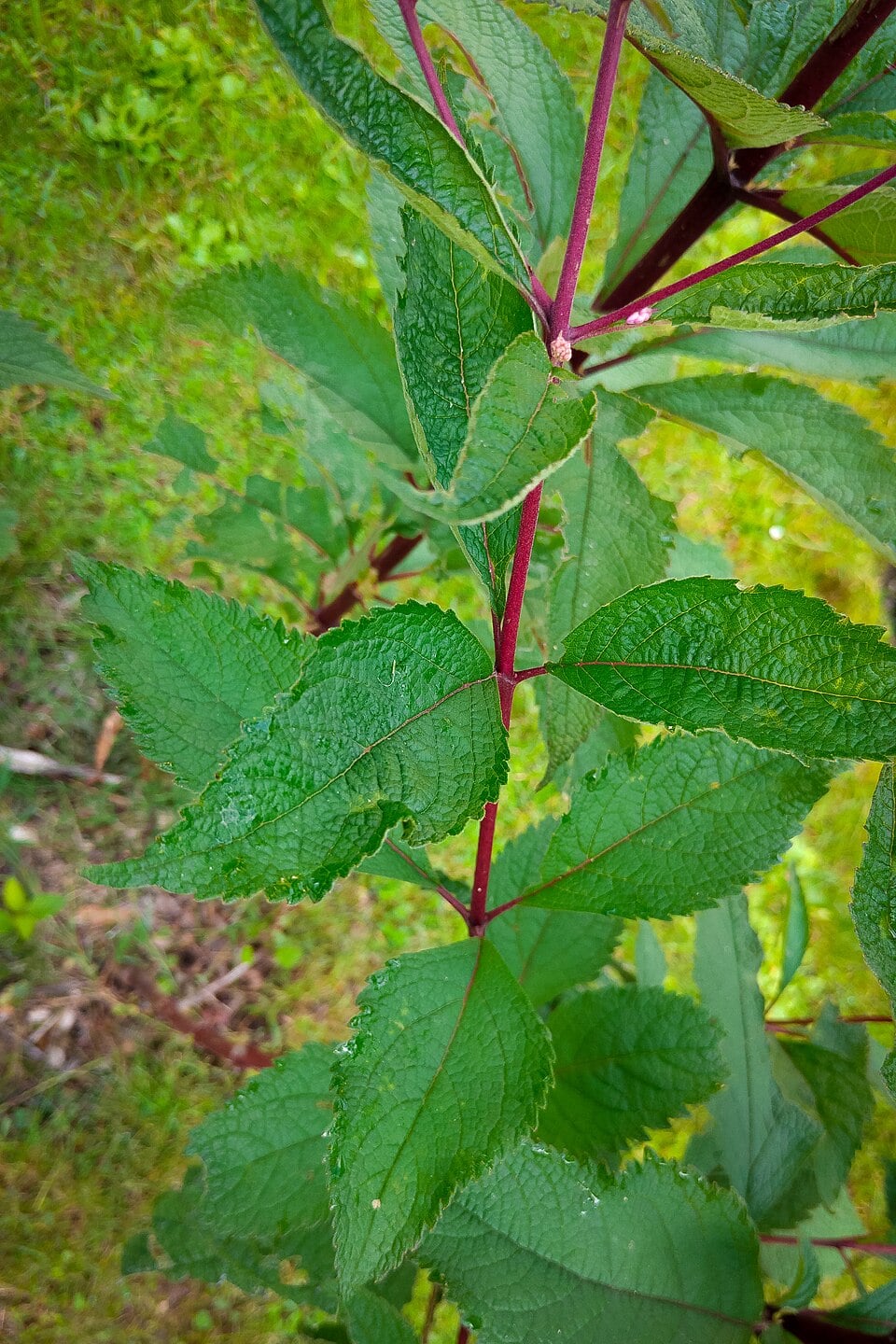
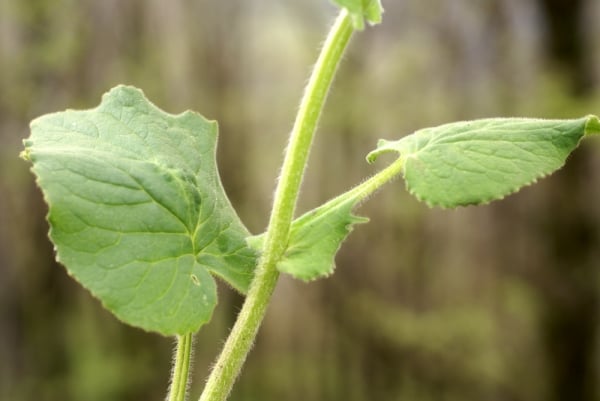
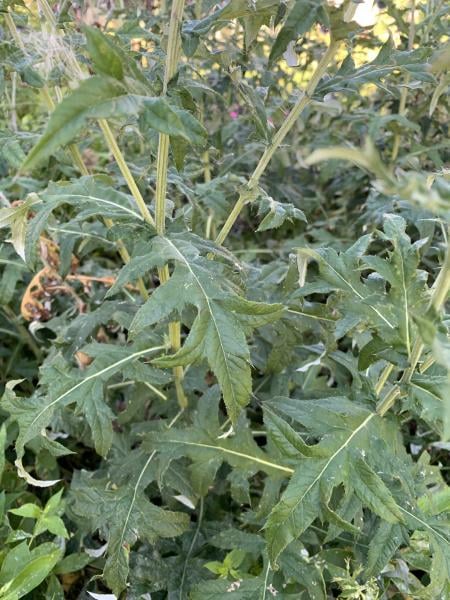
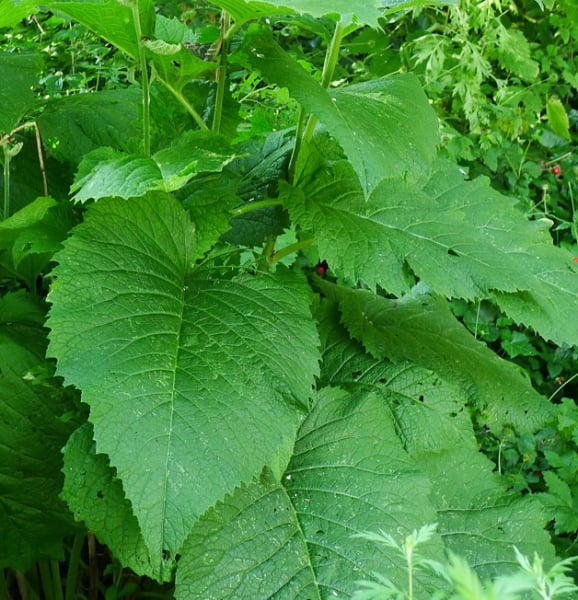
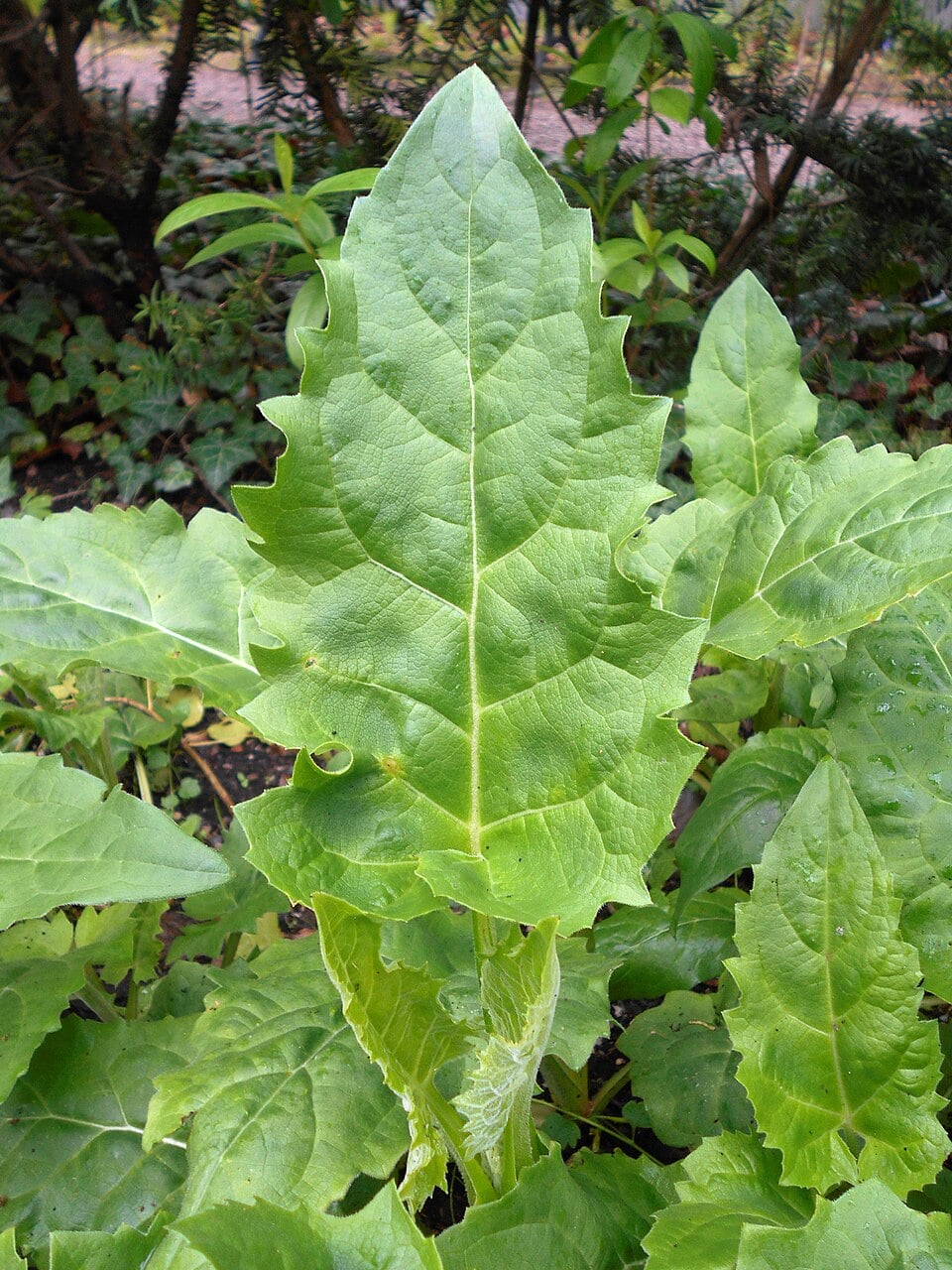
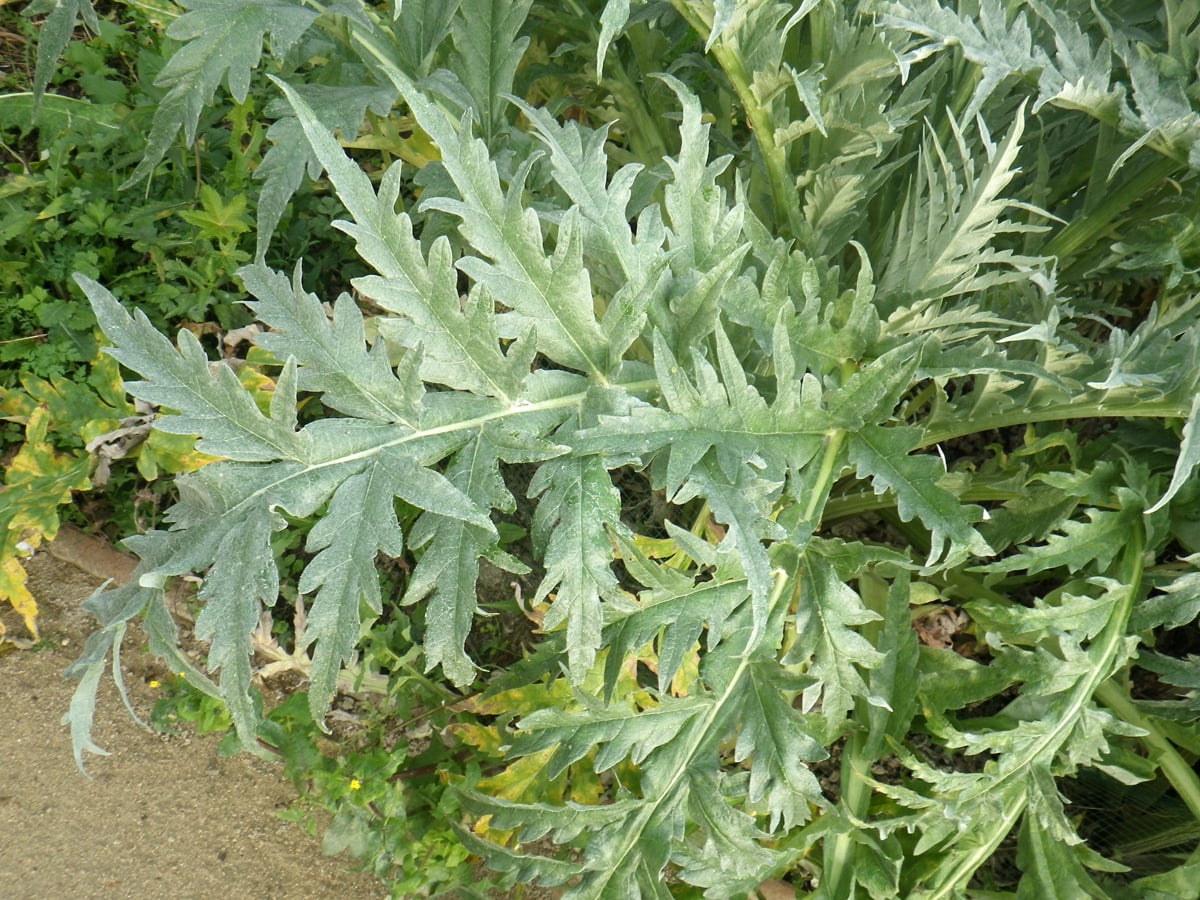
Leaf
Plenuska, Wikimedia · CC BY-SA 3.0
Sweet Joe Pye weed
Eupatorium purpureum L.
Scientific synonyms: Eutrochium purpureum
Also known as: Joe Pye weed, Purple Joe Pye weed
Family: Asteraceae
- 1.50 to 2 m tall
- Damp meadows, riverbanks, back-of-border plantings
- Full sun, Part shade
- -30°C
In flower from August to September
2 months❓ How do you recognise this plant?
Regarded as one of the best butterfly plants, its broad corymbs attract an incredible diversity of foraging insects.
Learn to recognise it
Flowers of banks and rockeries. This plant is in the lesson “Flowers of banks and rockeries”, with 10 others.
🍃 Leaves
Large lanceolate, toothed leaves, arranged in whorls of 3 to 5
🌸 Flowers
Broad domed corymbs of small purplish-pink flower heads, highly fragrant
🍎 Fruits
Small achenes topped with a silky pappus
🌿 Stem and habit
Erect, sturdy stems, often tinged with purple at the nodes
Distribution, pollinators, uses
🗺️ Distribution
Native to eastern North America; absent from the wild French flora, grown in perennial gardens.
🐝 Value for pollinators
One of the most attractive perennials for butterflies and bees in late summer, thanks to its vast nectar-rich corymbs.
✂️ Horticultural uses
Back of the border, wildflower meadows, naturalistic perennial gardens; imposing silhouette much sought after for pollinator gardens.
⚠️ Possible toxicity
No notable known toxicity in this ornamental species.
🌿 Other Asteraceae to discover
ℹ️ Educational profile — do not use it to judge whether a plant is edible or safe.
🌱 This database is constantly evolving — species and information are added and corrected regularly. Spotted a mistake? Report it below.
© Floraneo — profile content is protected; reproduction without permission is prohibited. Photos remain under their own licence (see the credit shown on each photo).