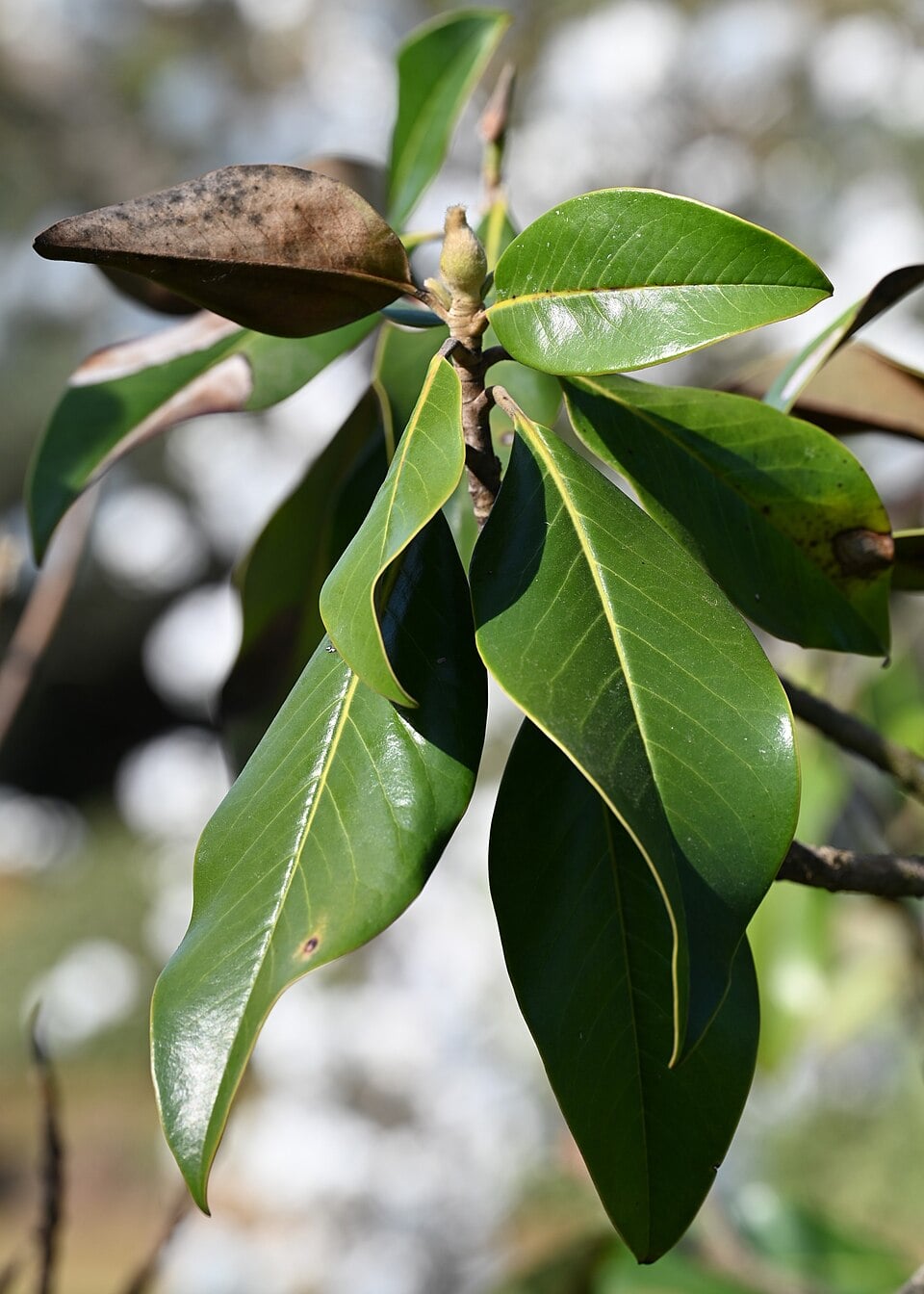
Leaf
David J. Stang, Wikimedia · CC BY-SA 4.0
Star magnolia
Magnolia stellata (Siebold & Zucc.) Maxim.
Family: Magnoliaceae
- 2 to 4 m tall
- Planted as a specimen in small gardens for its early flowering and compact habit
- Full sun, Part shade
- Hardy to about -20°C, but the early flowers dislike frost
In flower from February to March
2 months❓ How do you recognise this plant?
It is one of the very first trees to flower in the year, sometimes as early as February, well before the leaves appear. Saucer magnolia has large cup- or tulip-shaped flowers with broad petals often tinged pink-purple at the base, whereas star magnolia has smaller, star-shaped flowers with many fine white (sometimes pinkish) petals.
Learn to recognise it
Trees with spectacular blossom. This plant is in the lesson “Trees with spectacular blossom”, with 11 others.

A free account is enough for this lesson.
🍃 Leaves
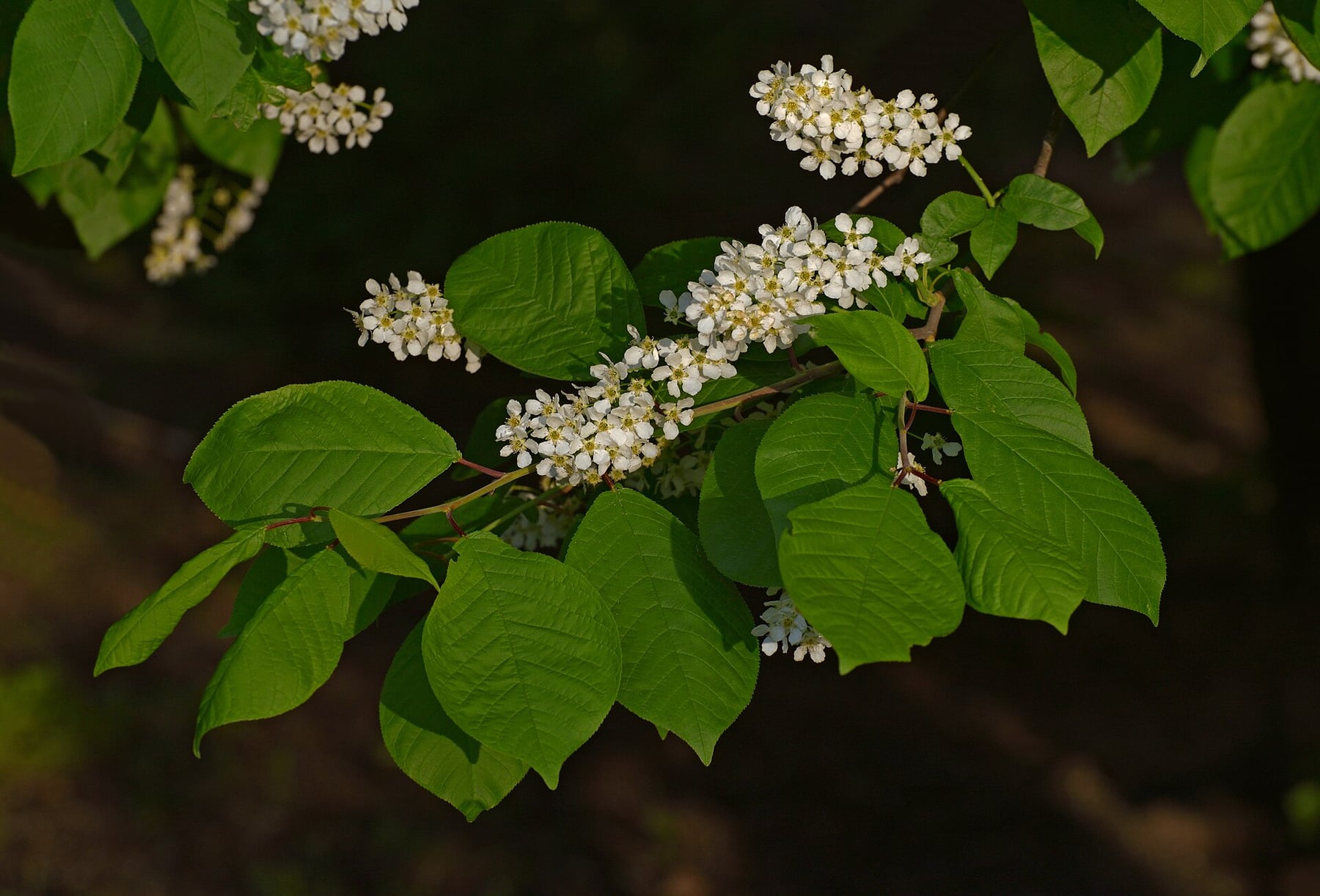
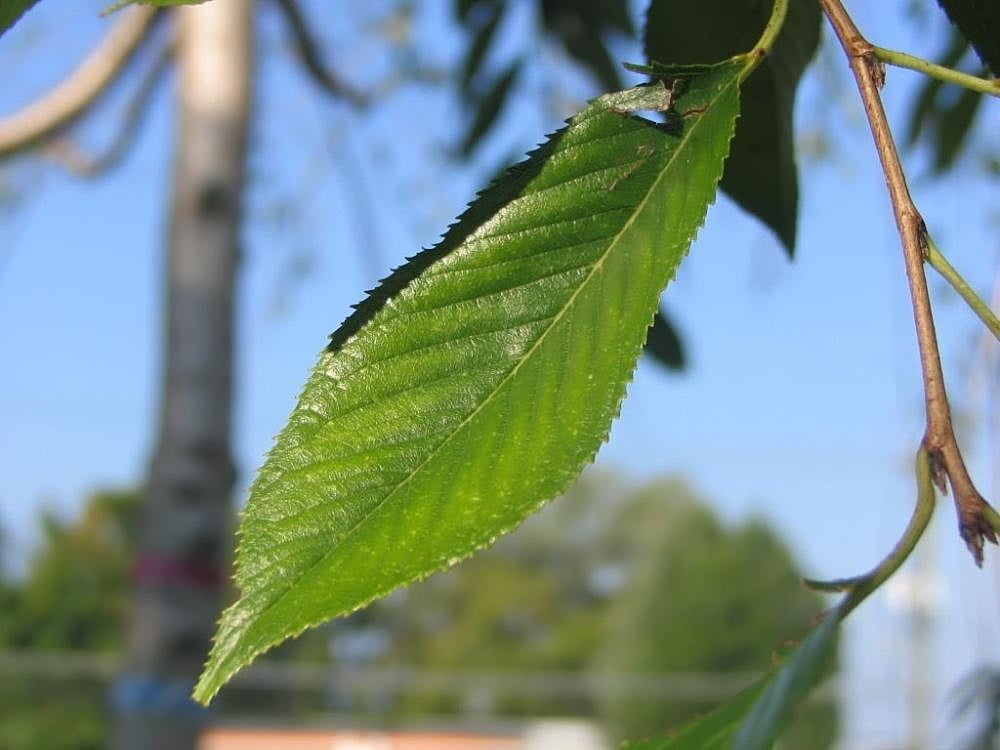
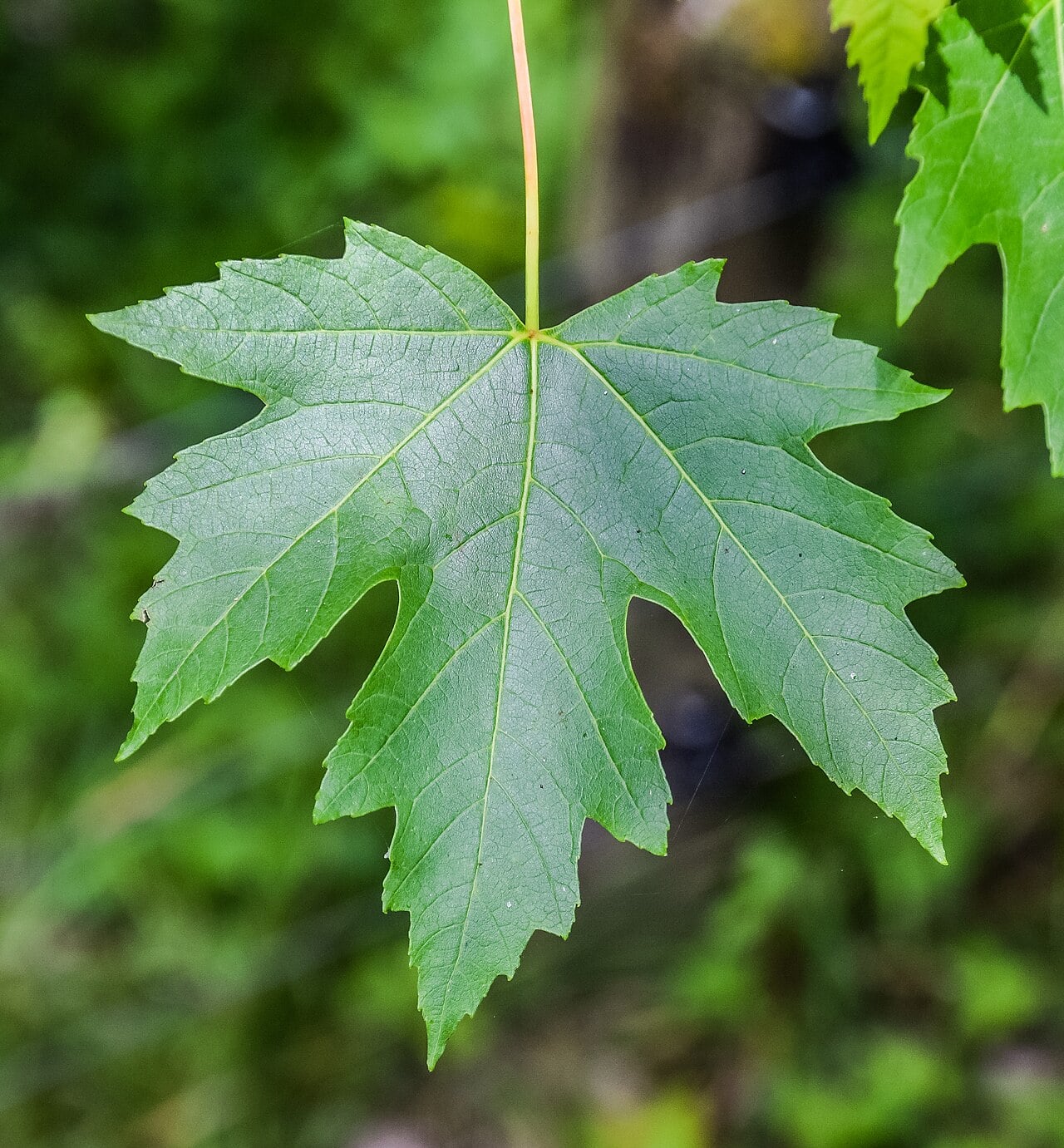
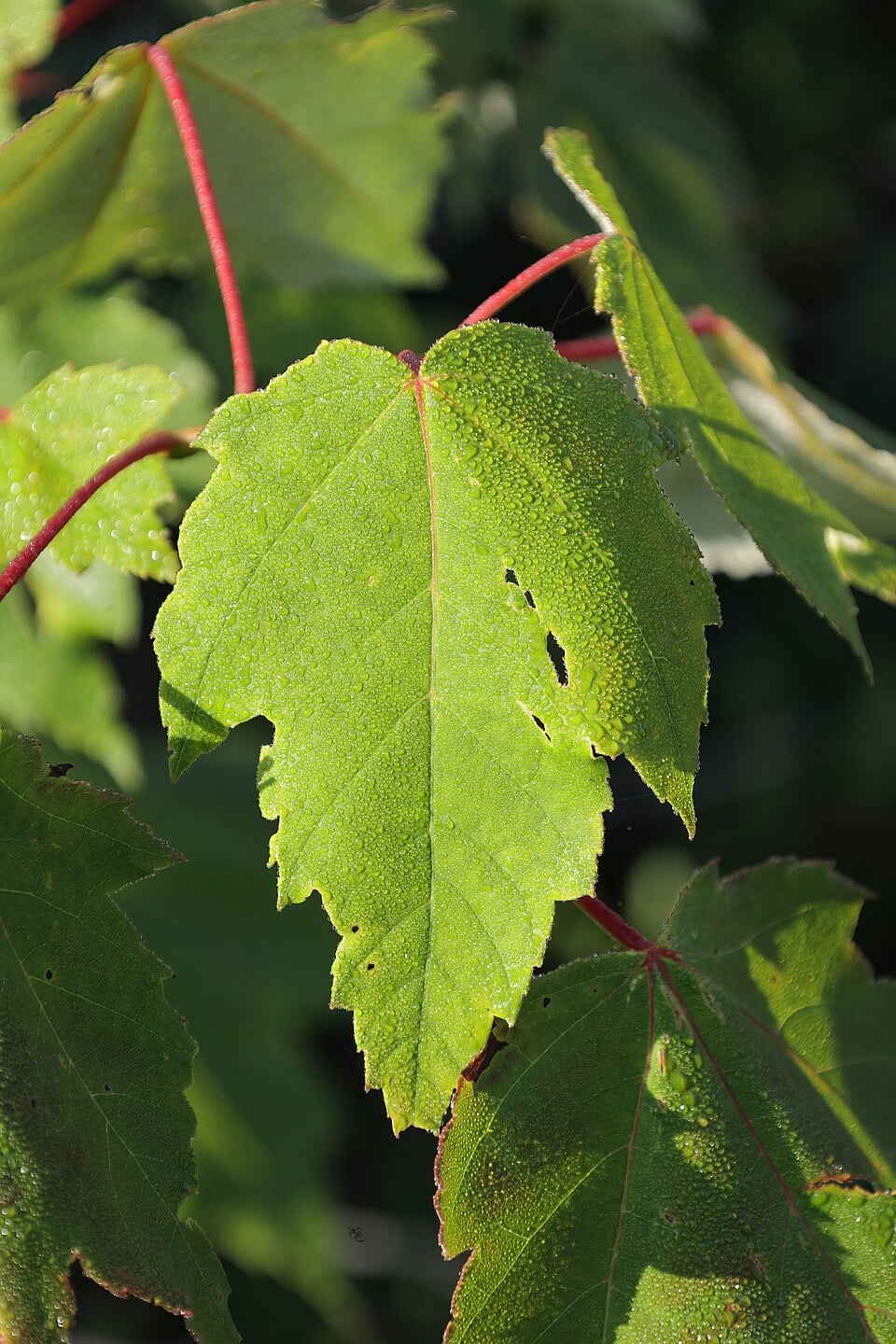
Deciduous, narrow, medium green, appearing after flowering
🌸 Flowers
Numerous, white, star-shaped, with many fine petals, highly scented
🍎 Fruits
Twisted pinkish follicle, rarely seen
🪵 Bark
Grey, smooth
Distribution, pollinators, uses
🗺️ Distribution
Native to Japan
🐝 Value for pollinators
Scented flowers visited by a few insects in late winter
✂️ Horticultural uses
The smallest of the commonly grown magnolias, ideal for a small garden or in a pot for its very early flowering
⚠️ Possible toxicity
No known toxicity in humans; non-toxic to dogs and cats according to the ASPCA.
⚠️ Look-alike species
Star magnolia
Magnolia stellata

Saucer magnolia
Magnolia × soulangeana
Saucer magnolia has large cup- or tulip-shaped flowers with broad petals often tinged pink-purple at the base, whereas star magnolia has smaller, star-shaped flowers with many fine white (sometimes pinkish) petals.
🌿 Other Magnoliaceae to discover

ℹ️ Educational profile — do not use it to judge whether a plant is edible or safe.
🌱 This database is constantly evolving — species and information are added and corrected regularly. Spotted a mistake? Report it below.
© Floraneo — profile content is protected; reproduction without permission is prohibited. Photos remain under their own licence (see the credit shown on each photo).