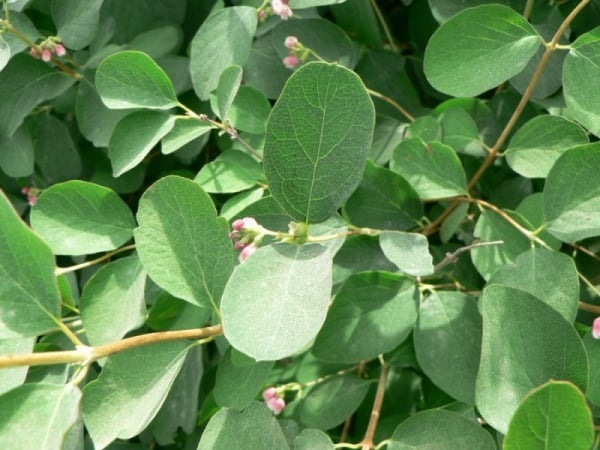
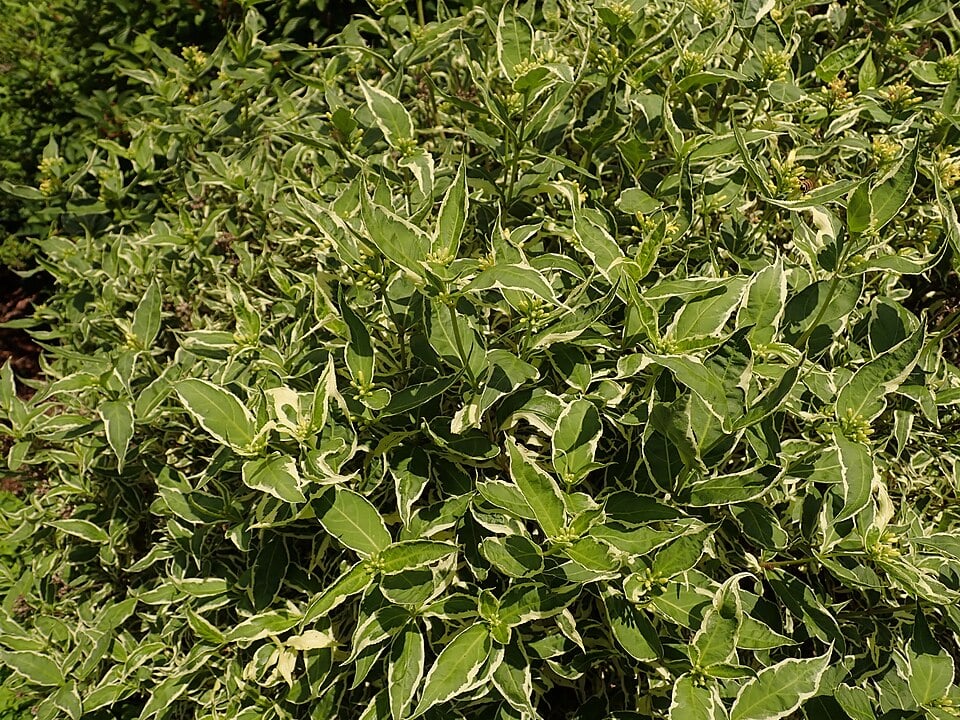
Leaf
Mathieu Menand, Tela Botanica · CC BY-SA 2.0
- 1 to 2 m tall
- Informal hedges, open woodland, any soil
- Full sun, Part shade, Shade
- Hardy to -30°C
In flower from June to August
3 months❓ How do you recognise this plant?
Its large pearly white berries, nicknamed 'pearls', stay on the shrub long after the leaves have fallen.
Learn to recognise it
Rock roses, honeysuckles and rockery shrubs. This plant is in the lesson “Rock roses, honeysuckles and rockery shrubs”, with 10 others.
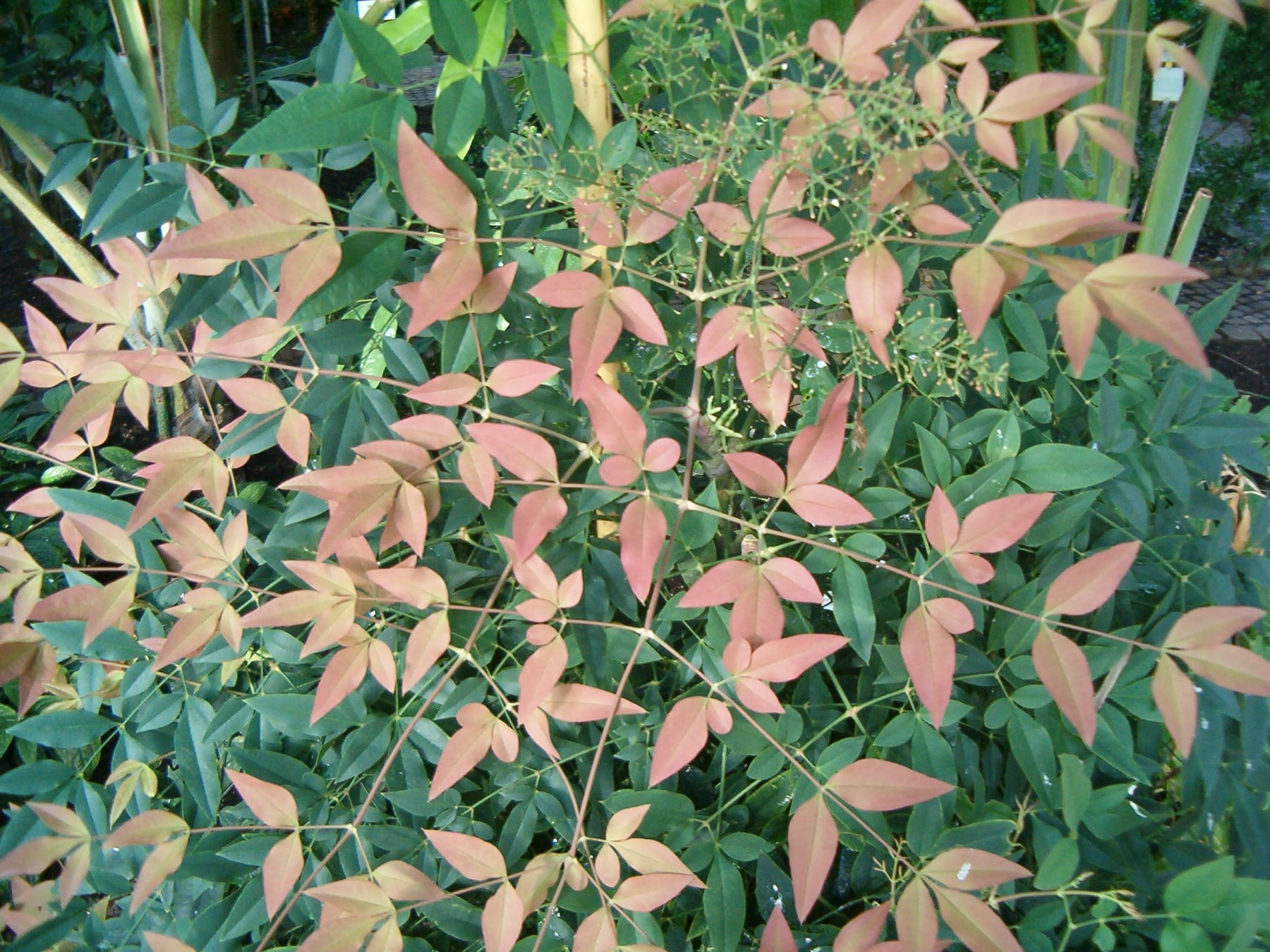
🍃 Leaves
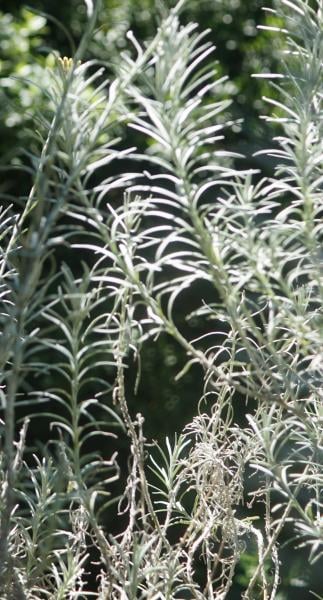
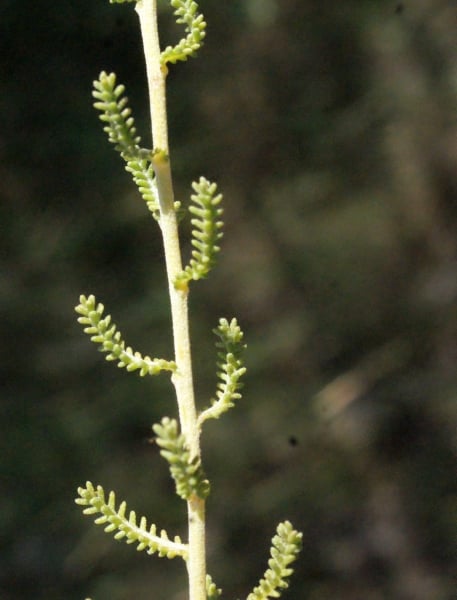
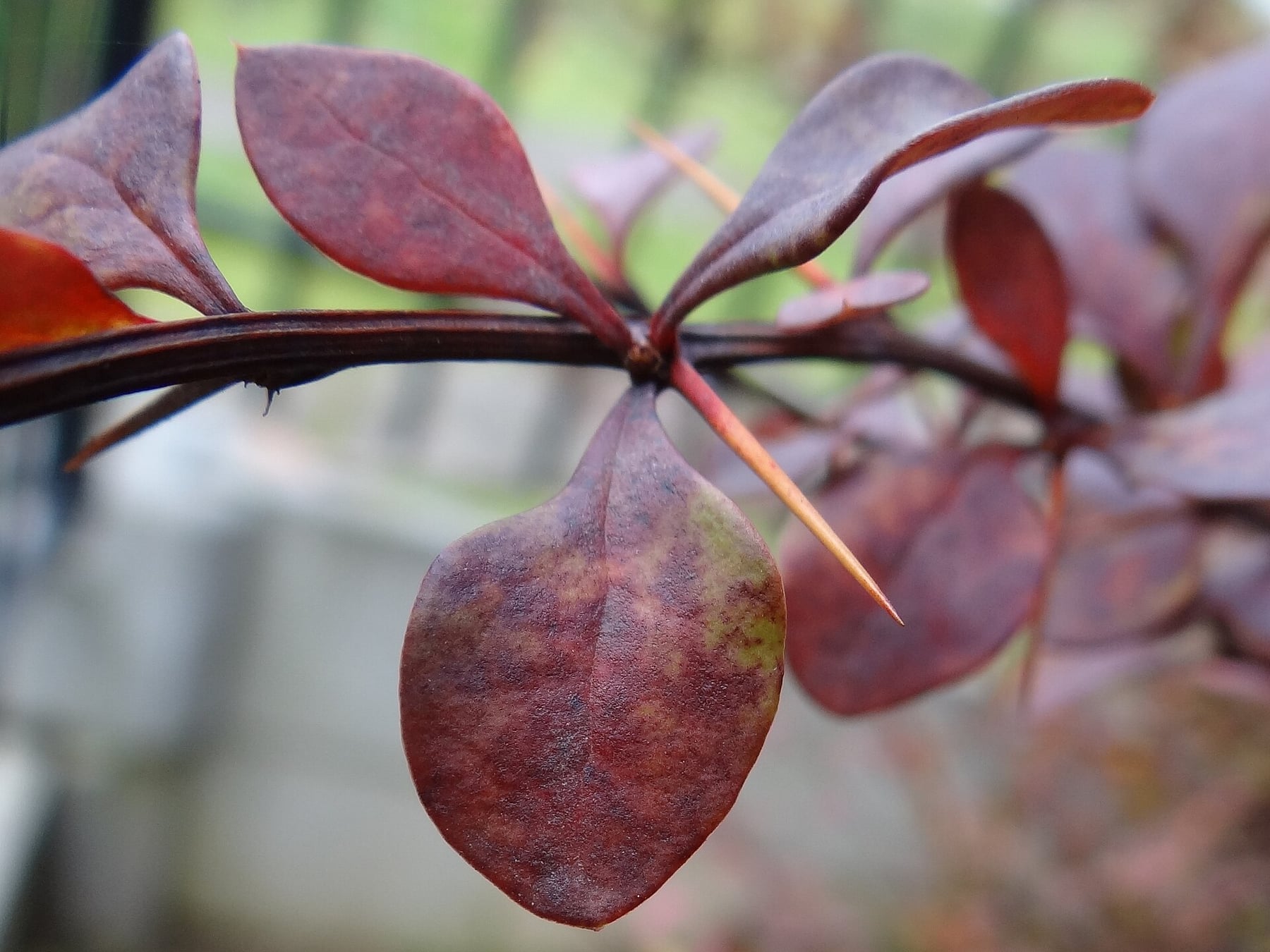
Deciduous, small, ovate, matt green, opposite
🌸 Flowers
Tiny pink bells in clusters, inconspicuous
🍎 Fruits
Large white berries in clusters, persisting all winter, toxic
🪵 Bark
Many slender grey-brown stems, suckering habit
Distribution, pollinators, uses
🗺️ Distribution
North America; widely grown in France as an ornamental and hedge shrub, sometimes naturalised.
🐝 Value for pollinators
Small pink flowers, inconspicuous but nectar-yielding, visited by bees in summer.
✂️ Horticultural uses
Planted in an informal hedge or border for its white berries persisting all winter.
⚠️ Possible toxicity
White berries toxic if eaten (saponins), causing digestive upset, notably in children who sometimes mistake them for sweets.
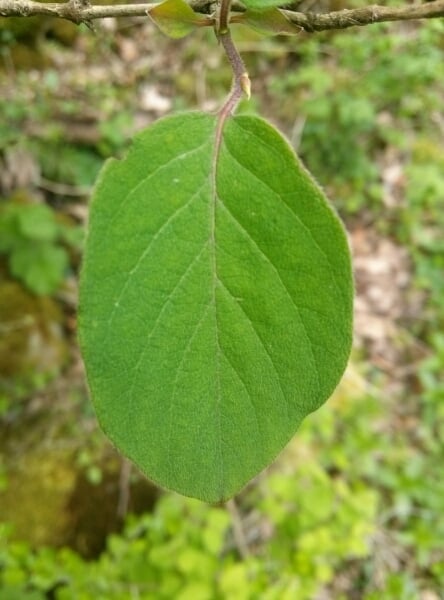
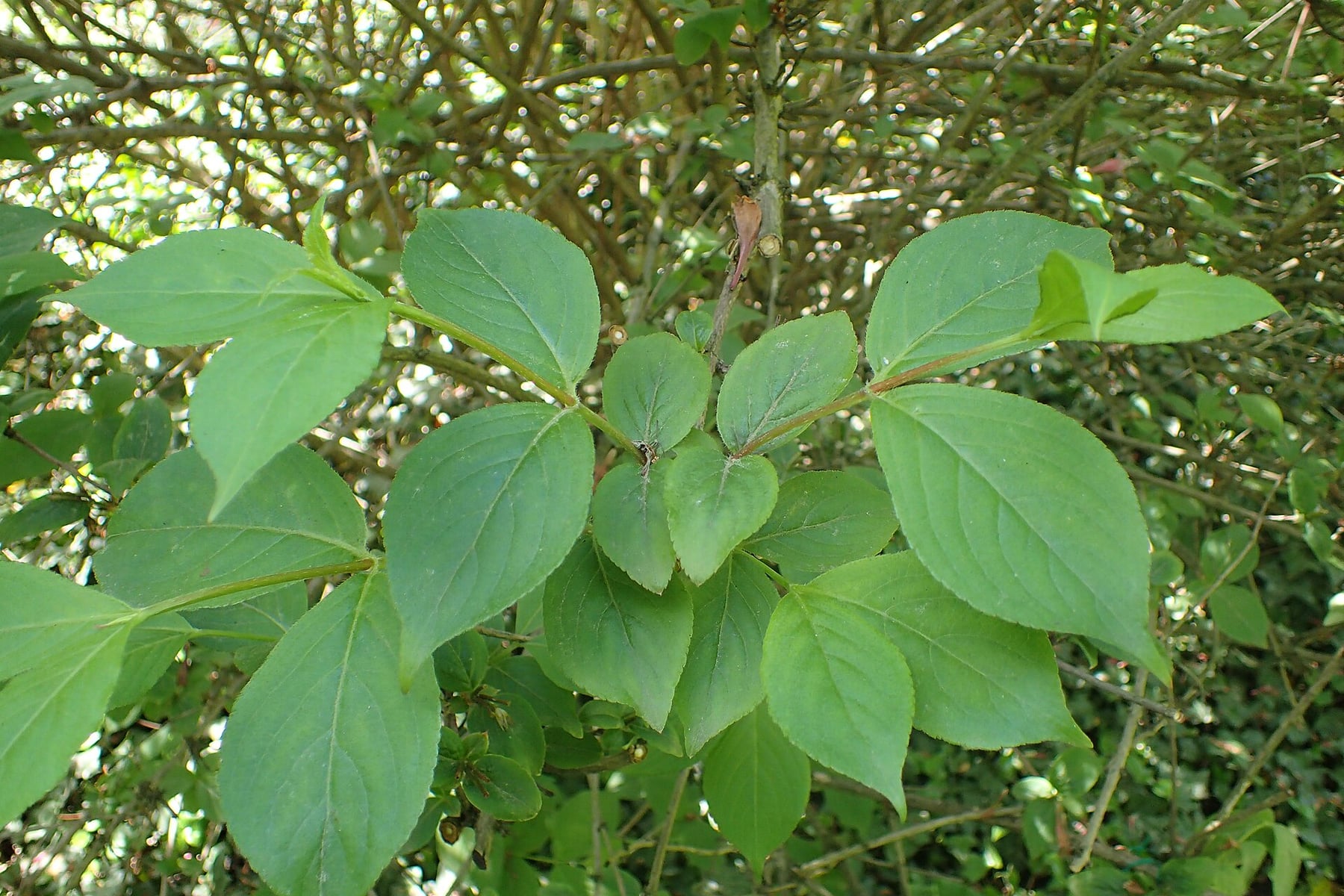
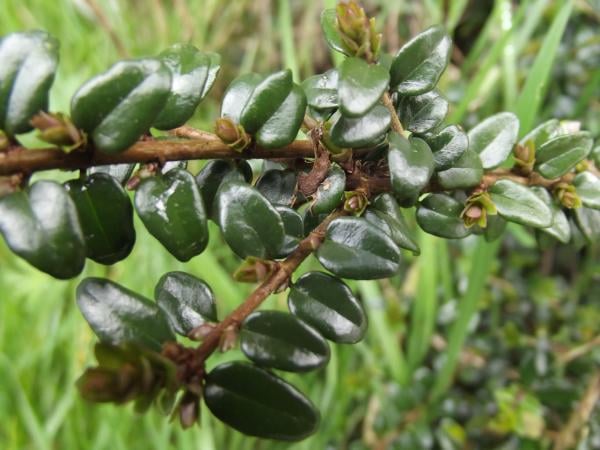
🌿 Other Caprifoliaceae to discover
ℹ️ Educational profile — do not use it to judge whether a plant is edible or safe.
🌱 This database is constantly evolving — species and information are added and corrected regularly. Spotted a mistake? Report it below.
© Floraneo — profile content is protected; reproduction without permission is prohibited. Photos remain under their own licence (see the credit shown on each photo).