Leaf
David Morris, Wikipedia · CC BY 2.0
- 80 cm to 1.5 m in flower
- Grown in vegetable gardens and gardens, cool, rich soils
- Full sun, Part shade
- Very hardy, to about -30°C
In flower from May to July
3 months❓ How do you recognise this plant?
Although used like a fruit in cooking (tarts, jams), rhubarb is botanically a vegetable — only the petiole is eaten, as its leaves are toxic.
Learn to recognise it
Legumes and less common vegetables. This plant is in the lesson “Legumes and less common vegetables”, with 9 others.

🍃 Leaves
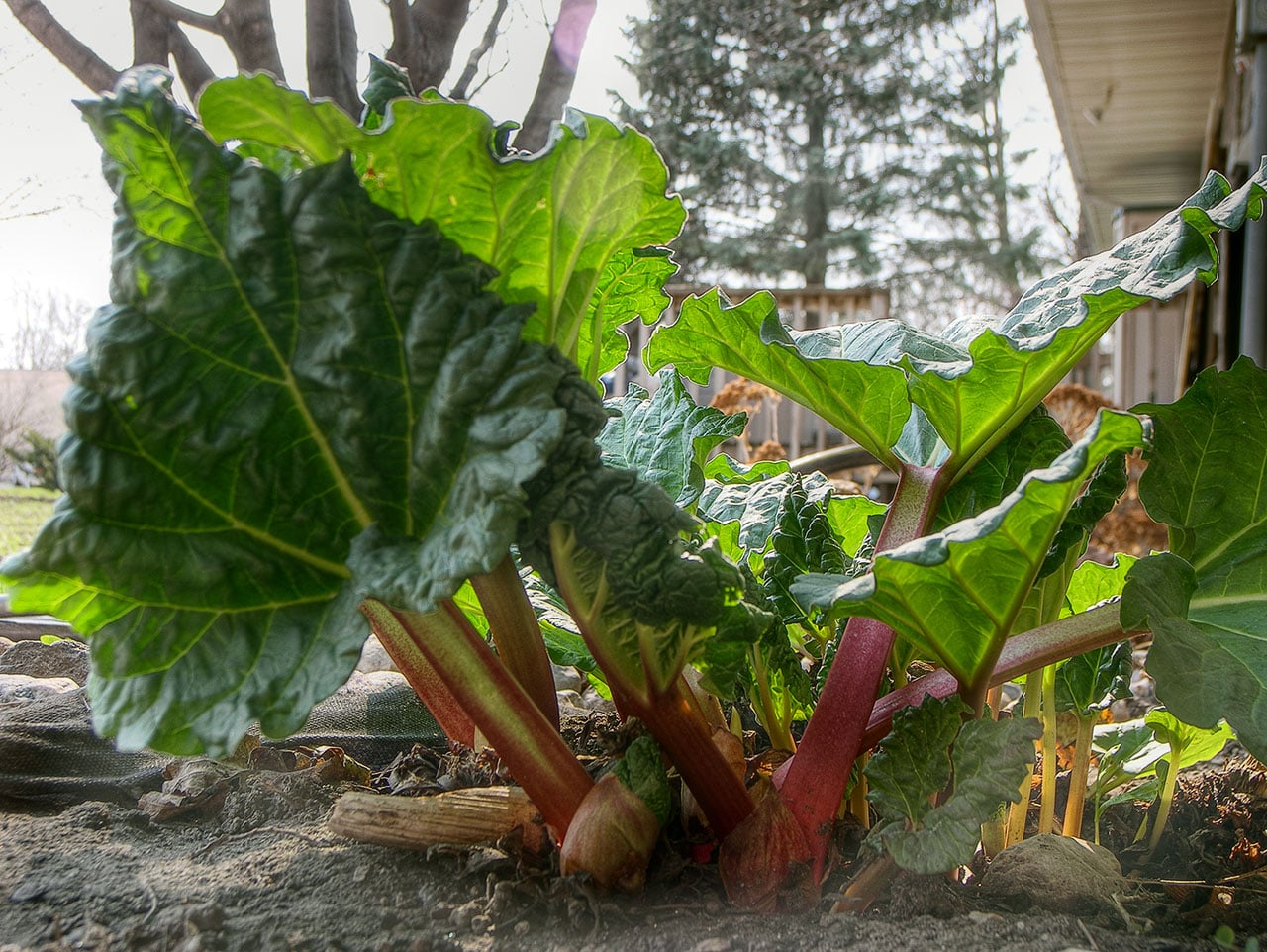
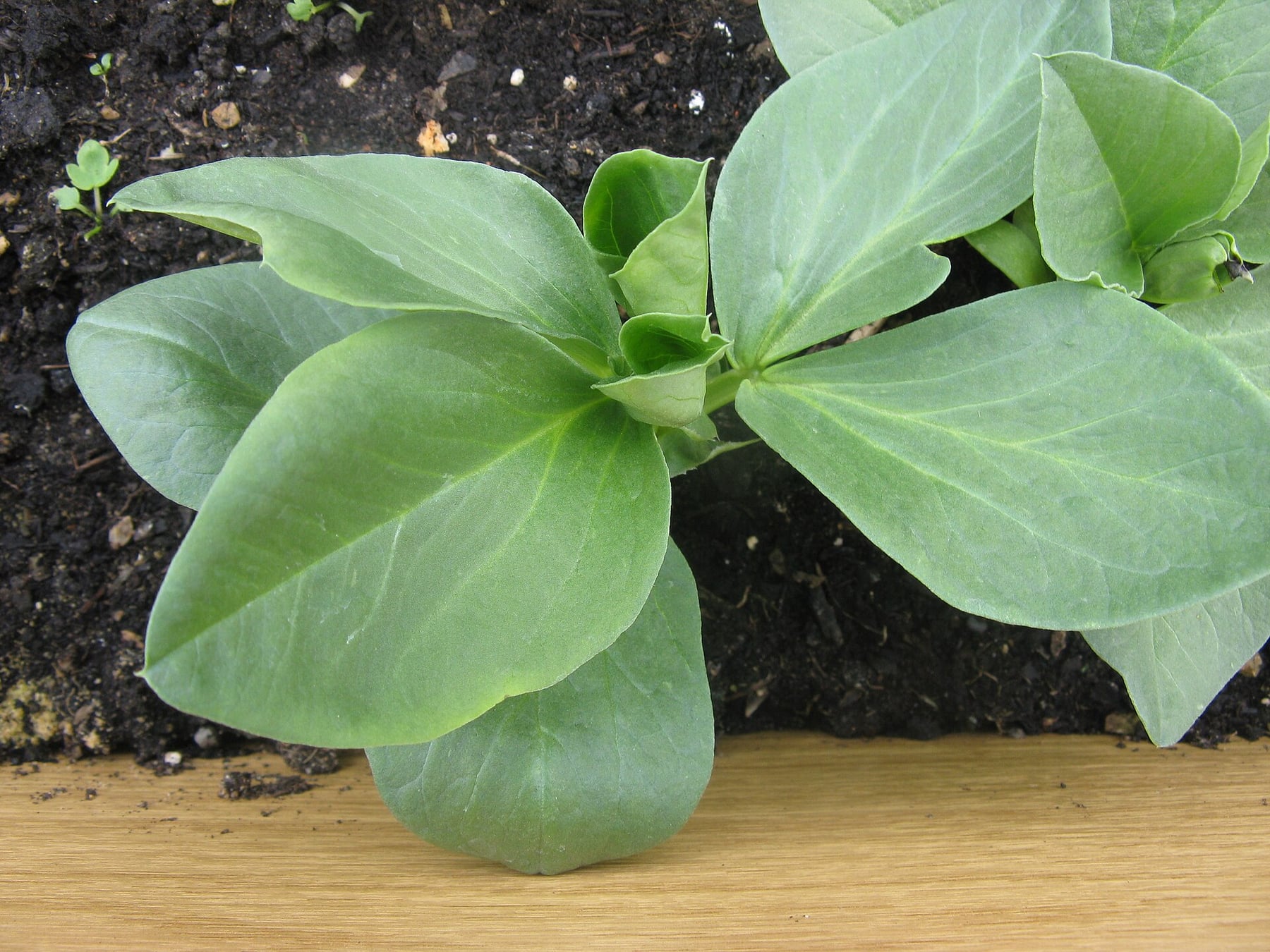
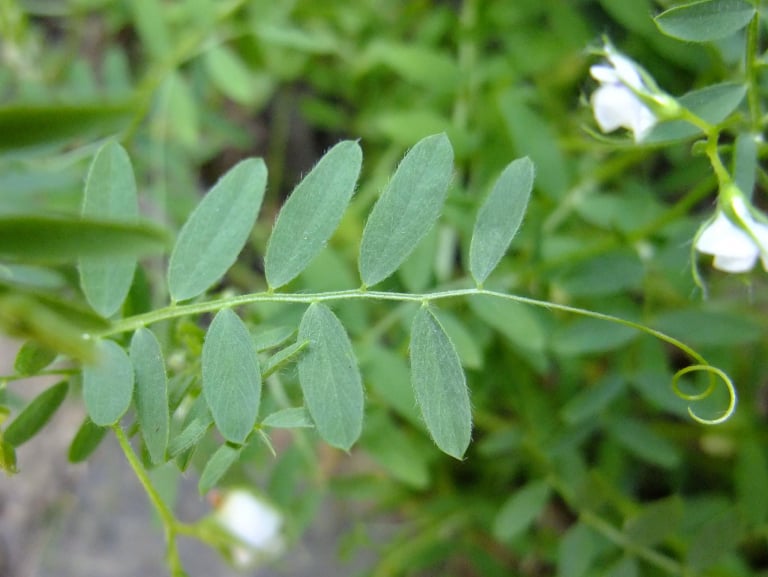
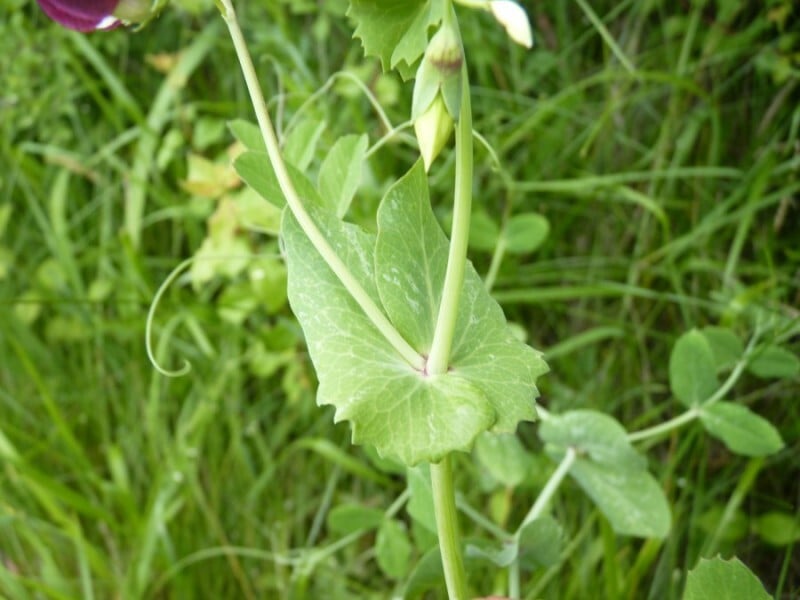
Very large, heart-shaped, crinkled, borne on long fleshy red or green petioles (the part eaten)
🌸 Flowers
Small, greenish-white to pinkish, in a large erect panicle that can exceed 1.5 m
🍎 Fruits
Small winged achene
🌿 Stem and habit
Perennial rootstock forming a clump of thick fleshy petioles each spring
Distribution, pollinators, uses
🗺️ Distribution
Cultivated throughout France, especially in the north
🐝 Value for pollinators
Large flowering rich in nectar, visited by many insects when the plant runs to flower
✂️ Horticultural uses
Perennial stem vegetable of the vegetable garden, grown for its petioles used in tarts and jam
⚠️ Possible toxicity
Petioles edible when cooked; the leaves (blade) are rich in oxalic acid and toxic, never to be eaten
🌿 Other Polygonaceae to discover


ℹ️ Educational profile — do not use it to judge whether a plant is edible or safe.
🌱 This database is constantly evolving — species and information are added and corrected regularly. Spotted a mistake? Report it below.
© Floraneo — profile content is protected; reproduction without permission is prohibited. Photos remain under their own licence (see the credit shown on each photo).