Leaf
Mathieu MENAND, Tela Botanica · CC BY-SA 2.0
Common sorrel
Rumex acetosa L.
Also known as: Sorrel, Garden sorrel
Family: Polygonaceae
30 to 90 cm
Meadows, banks, track margins
Flowering: May – July
Full sun
Part shade
Hardy to -20°C
❓ How do you recognise this plant?
The characteristic sharp, tangy taste in the mouth, due to oxalic acid, makes it possible to recognise it without mistake. Curled dock has large, narrow leaves with a strongly wavy, curled margin, whereas common sorrel has smaller, spear-shaped leaves with a sagittate base and a recognisable tangy taste.
🍃 Leaves
Arrow-shaped, base with two pointed lobes directed backwards, tangy taste
🌸 Flowers
Small, greenish then reddish, in a long upright spike
🍎 Fruits
Small glossy brown achene, enclosed by three valves
🪵 Bark
Upright, hollow herbaceous stem
🗺️ Distribution
Europe, temperate Asia; very common in meadows in France
🐝 Value for pollinators
Mainly wind-pollinated, of little interest to pollinators
✂️ Horticultural uses
Grown in vegetable gardens for its tangy leaves, sometimes tolerated in a flower meadow
⚠️ Possible toxicity
Leaves rich in oxalates, to be eaten in moderation, not recommended for people prone to kidney stones
⚠️ Look-alike species
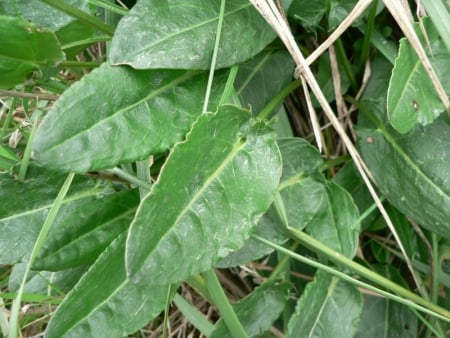
Common sorrel
Rumex acetosa
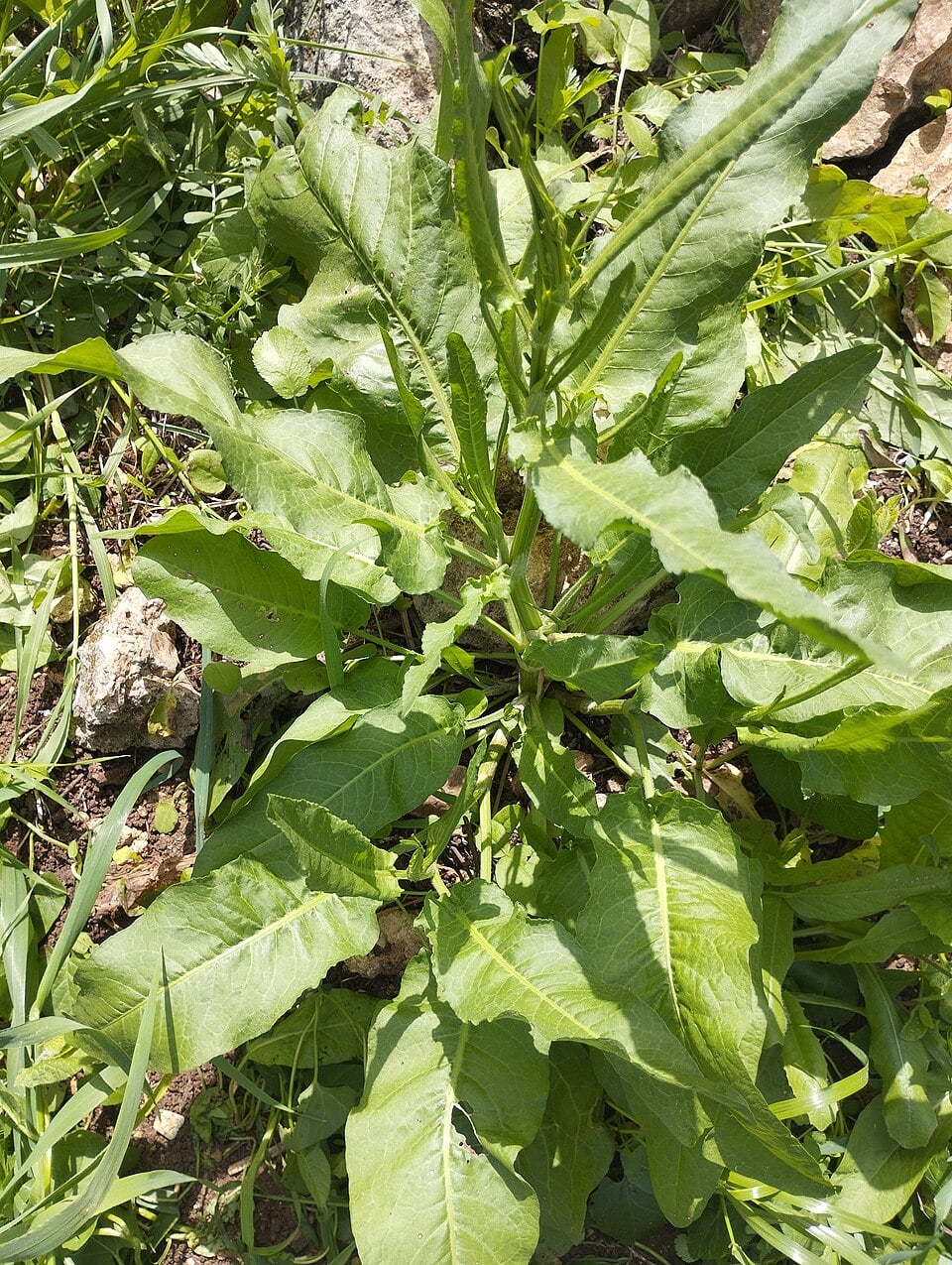
Curled dock
Rumex crispus
Curled dock has large, narrow leaves with a strongly wavy, curled margin, whereas common sorrel has smaller, spear-shaped leaves with a sagittate base and a recognisable tangy taste.
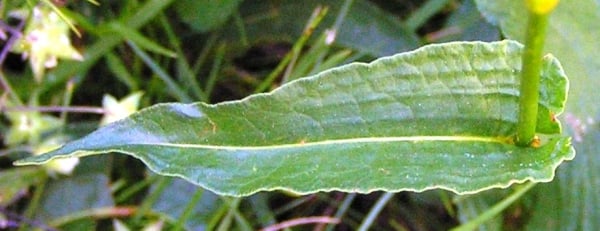
🌿 Other Polygonaceae to discover


ℹ️ Educational profile — do not use it to judge whether a plant is edible or safe.
🌱 This database is constantly evolving — species and information are added and corrected regularly. Spotted a mistake? Report it below.
© Floraneo — profile content is protected; reproduction without permission is prohibited. Photos remain under their own licence (see the credit shown on each photo).