Leaf
Liliane Roubaudi, Tela Botanica · CC BY-SA 2.0
Purple coneflower
Echinacea purpurea (L.) Moench
Scientific synonyms: Rudbeckia purpurea
Also known as: Eastern purple coneflower, Echinacea
Family: Asteraceae
- 60 cm to 1.20 m tall
- Planted in gardens, beds and sunny borders
- Full sun
- Hardy to about -20°C
In flower from July to September
3 months❓ How do you recognise this plant?
The domed central cone of the coneflower is actually made up of hundreds of tiny tubular flowers, each capable of producing a seed — which is why it attracts so many foraging insects.
Learn to recognise it
Classic spring flowers. This plant is in the lesson “Classic spring flowers”, with 11 others.
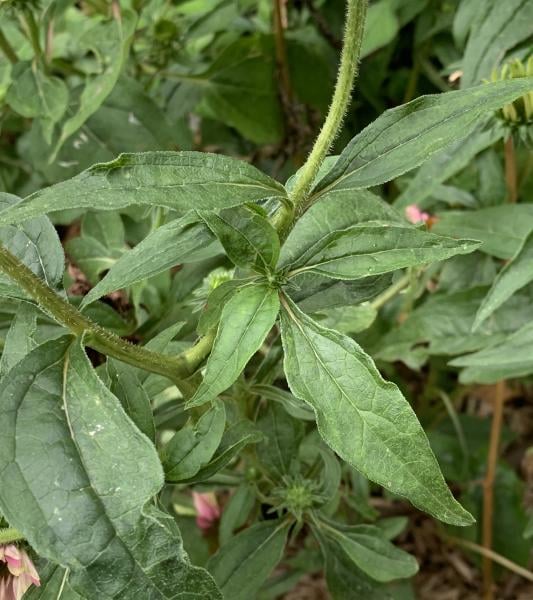
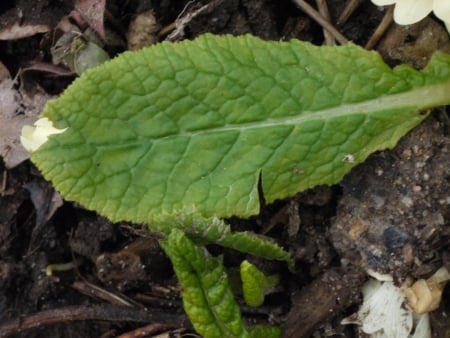

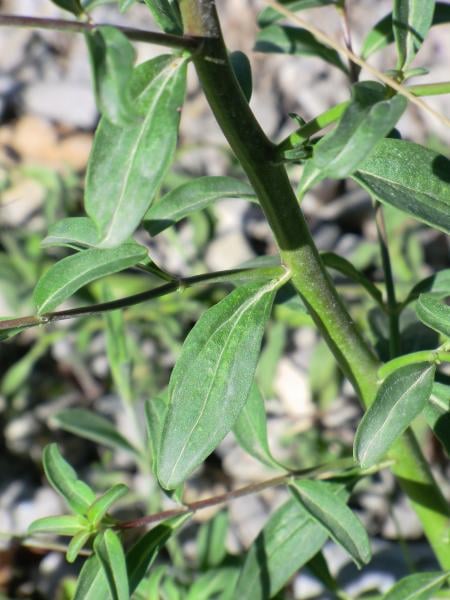
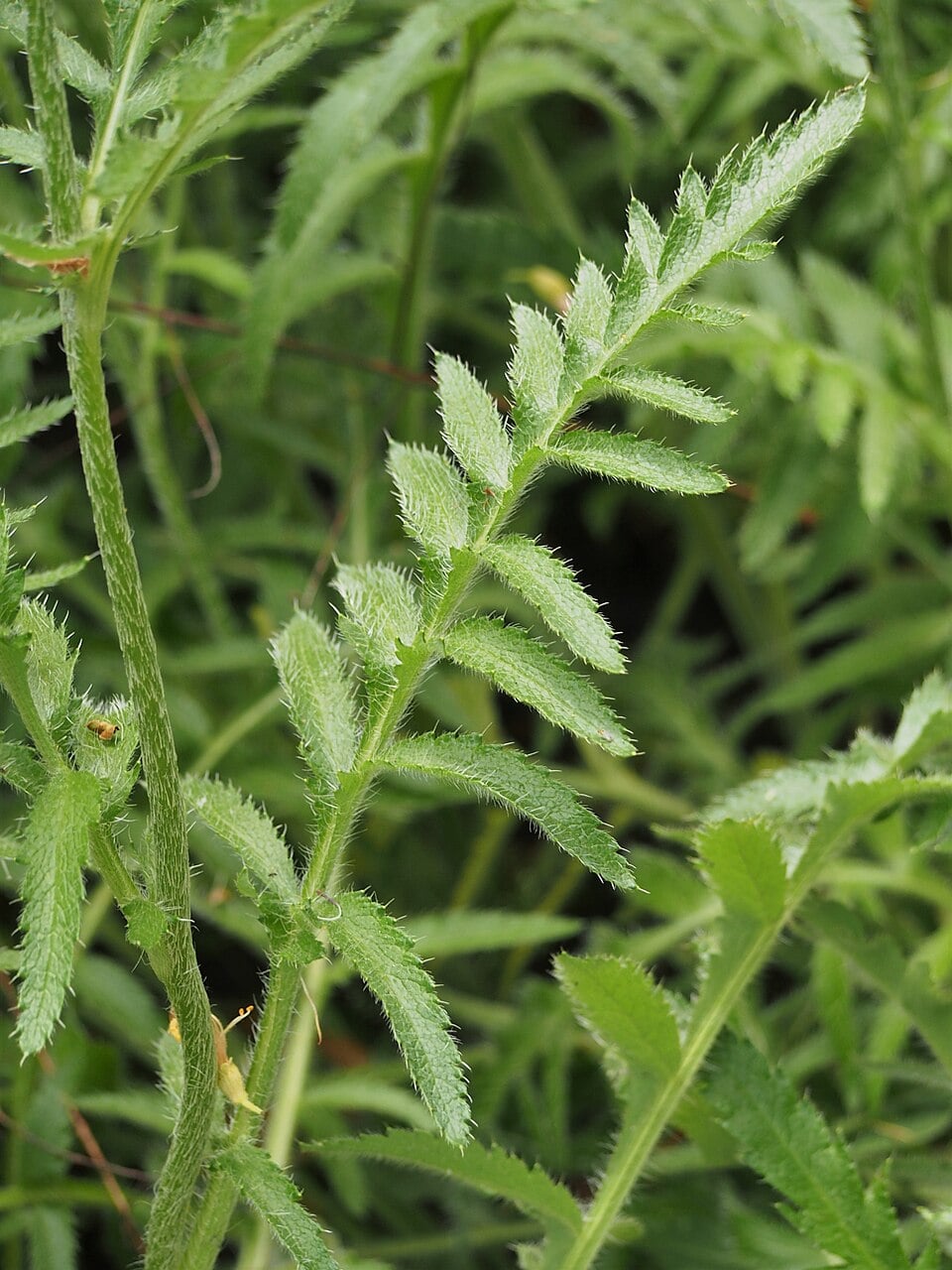
🍃 Leaves
Ovate to lanceolate, rough, toothed, in a basal rosette
🌸 Flowers
Large flower heads with drooping pink-purple petals around a domed orange-brown central cone
🍎 Fruits
Small dry achene
🌿 Stem and habit
Upright herbaceous stem, rough to the touch
Distribution, pollinators, uses
🗺️ Distribution
Native to North America; widely grown in France as an ornamental plant
🐝 Value for pollinators
Very nectar-rich flowers, very attractive to bees, butterflies and hoverflies; seeds enjoyed by birds late in the season
✂️ Horticultural uses
Very free-flowering perennial for borders, valued for its long summer flowering and its interest for wildlife
⚠️ Possible toxicity
No known toxicity; traditionally used in herbal medicine (root)
🌿 Other Asteraceae to discover
ℹ️ Educational profile — do not use it to judge whether a plant is edible or safe.
🌱 This database is constantly evolving — species and information are added and corrected regularly. Spotted a mistake? Report it below.
© Floraneo — profile content is protected; reproduction without permission is prohibited. Photos remain under their own licence (see the credit shown on each photo).